
Basic Knowledge of Packaging Design

In today’s highly homogenized product market, packaging design is far more than simply “wrapping up the product.” It simultaneously undertakes multiple tasks, including protecting the product, conveying information, shaping brand image, and promoting sales. For consumers, packaging is often the first medium they encounter a product, and they may even form an initial judgment based on it before using the product. Therefore, packaging design is both a visual art and a highly practical applied design discipline. At a fundamental level, packaging design involves multiple elements such as materials, structure, color, text, graphics, and processes. These elements do not exist in isolation but need to be systematically integrated around product attributes, market positioning, and consumer psychology. A successful packaging design can clearly express the product’s value within a limited space while stimulating the desire to purchase. Conversely, ignoring design goals and only pursuing superficial aesthetics can lead to information confusion, wasted costs, and even damage to brand trust. For beginners, mastering the fundamentals of packaging design is particularly important. This not only helps establish a complete design mindset but also avoids directional errors in practical application. The following content will break down the core knowledge points of packaging design from multiple fundamental dimensions, helping readers form a clear and actionable cognitive framework.
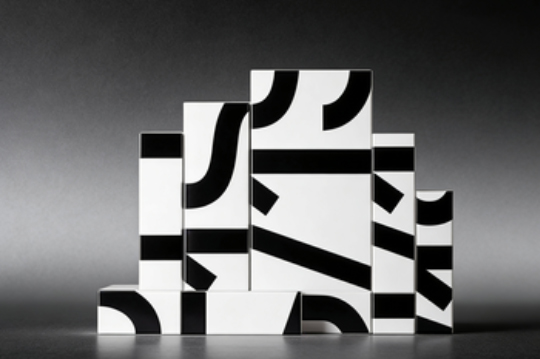
What are the core functions of packaging?
The first priority of packaging design is functionality. No matter how exquisite the appearance, if it cannot meet basic usage needs, the design loses its foundation. First is the protective function. Packaging needs to prevent products from being squeezed, damp, contaminated, or damaged during transportation, storage, and sales. Different products have different protection requirements, which directly affects the selection of packaging materials and structures. Second is the information communication function. Information such as product name, specifications, ingredients, usage methods, and precautions must be presented clearly and accurately to avoid misleading consumers. Third is the identification and differentiation function. In a shelf environment, packaging needs to help consumers quickly identify the brand and differentiate it from competitors, which is especially important in the fast-moving consumer goods (FMCG) sector.
What factors should be considered when choosing materials?
Packaging materials are the foundation for the design’s implementation; improper selection will directly affect cost and effectiveness. From a practical perspective, materials must meet requirements for strength, durability, and safety. For example, food packaging must comply with relevant safety standards to avoid any impact on human health. From a design perspective, the texture, color presentation, and processing adaptability of materials affect the overall visual effect. Materials such as paper, plastic, glass, and metal each possess distinct expressive languages. From a commercial perspective, material cost and mass production feasibility are equally important. Design needs to find a balance between ideal effects and realistic budgets.
Structural Design is More Than Just a Matter of Shape
Many beginners easily overlook the importance of packaging structure. In fact, structure is key to whether packaging can be used normally. A reasonable structural design should facilitate opening, use, and resealing, while avoiding complex operations that increase the user’s burden. Structure also affects transportation efficiency, such as ease of stacking and space saving. Furthermore, structural design is often related to brand memorability. Some unique but reasonable structural forms can enhance product recognition and user experience.
The Role of Color in Packaging
Color is one of the most direct and impactful elements in packaging design. Different colors evoke different psychological associations; for example, red is often associated with passion and stimulation, while green easily evokes associations with nature and health. The choice of color needs to be considered in conjunction with product attributes and the target audience. Color matching also needs to consider recognizability and consistency. The primary color scheme should highlight brand characteristics, while secondary colors are used to enrich the layers, but should not be excessive to avoid visual confusion.
How to Present Textual Information Appropriately
Text on packaging is not only a carrier of information but also part of the design elements. In terms of content, text should be concise, accurate, and focused, avoiding the piling up of irrelevant information. In terms of hierarchy, primary and secondary information should be distinguished through font size, weight, and position. Font selection should be consistent with the brand’s image while ensuring readability. Overly decorative fonts may reduce reading efficiency.
Principles for Using Graphics and Images
Graphics and images can intuitively convey product characteristics and are important visual languages in packaging design. Graphics should serve information expression, not mere decoration. Whether illustrations or photographs, they need to match the true attributes of the product, avoiding exaggeration or misleading claims. Image styles should be consistent, maintaining overall visual order, which helps enhance the professionalism and credibility of the packaging.
The Impact of Processing on the Final Effect
Printing and post-production processes determine whether the design can be accurately reproduced. Common packaging techniques include lamination, hot stamping, embossing, and spot varnishing, which can enhance tactile and visual appeal. However, more techniques are not necessarily better; overuse can distract from the overall design. Feasibility of these techniques should be considered during the design phase to avoid significant discrepancies between the design and the final product.
Packaging design requires constant balancing of function, visual appeal, and cost. It is neither purely artistic creation nor simply technical execution, but a comprehensive design endeavor built upon clear objectives and well-defined plans. From protecting the product to conveying information, from attracting attention to building trust, every step requires designers to possess fundamental knowledge and a holistic perspective.
Mastering the fundamentals of packaging design helps designers quickly identify priorities and directions for different projects, reducing ineffective attempts and improving design efficiency. These basic principles also lay a solid foundation for further in-depth learning in brand design, marketing strategies, and user experience. Understanding and appropriately applying these core elements allows packaging to fulfill its intended value in practical applications, rather than remaining merely a superficial form.

