
High-End Clothing Box Printing Knowledge and Process Selection Analysis

High-end clothing boxes are not only containers for protecting garments but also important carriers of brand image and visual experience. When producing high-end clothing boxes, printing knowledge and process selection play a decisive role. Understanding material properties, color management, printing processes, and structural design is essential to create packaging that is both aesthetically pleasing and practical.
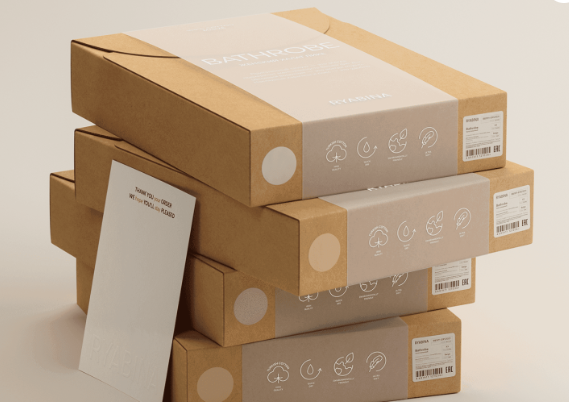
Structural Design and Practicality
In high-end clothing box design, structure and appearance must be balanced. The box should not only facilitate garment folding and display but also ensure stability during transportation. Many companies focus too much on visual effects while neglecting practicality, resulting in boxes that are too shallow, which can crease garments, or boxes that are oversized, increasing shipping costs. A well-designed structure helps enhance overall quality and user experience.
Importance of Material Selection
Material selection is a critical part of high-end clothing box printing knowledge. Premium paperboards and specialty materials can enhance texture and tactile feel, but they must match the brand’s positioning. Board weight, hardness, and surface texture all affect printing quality and box durability. Choosing inappropriate materials can reduce perceived value and negatively impact printing results and the lifespan of the product.
Color Management and Printing Results
High-end clothing boxes require precise color reproduction. Differences between on-screen display and actual print can lead to noticeable color deviations if proofing is not conducted. Using high-quality inks and scientific color management methods ensures that the box color aligns with brand identity, enhancing visual appeal and consumer recognition.
Key Points for High-End Process Selection
The choice of printing processes determines the sophistication and quality of a clothing box. Common processes include:
- Hot Stamping and Embossing: Adds texture and visual depth, but should be used in moderation
- Spot UV: Highlights brand logos or specific graphic details
- Lamination or Matte Coating: Enhances tactile feel while protecting the printed surface
A thoughtful combination of processes can emphasize the premium effect while keeping production efficient and cost-effective.
Batch Production and Proofing
Complex processes may look perfect in samples but can encounter issues in mass production, such as color deviation, misalignment, or uneven surface treatment. Verifying process feasibility in advance, conducting thorough proofing, and checking design files are essential steps to ensure consistent printing results. Common file issues include insufficient resolution, incorrect bleed settings, or unconverted fonts, all of which affect the final product.
Logistics and Transportation Considerations
High-end clothing boxes may undergo pressure and friction during shipping and storage. If the box structure is insufficiently strong or the surface finish is not durable, scratches or deformation may occur. Proper structural design, reinforced materials, and durable printing processes ensure the box maintains its premium look and feel throughout the distribution process, enhancing the customer experience.
High-end clothing box printing knowledge involves structural design, material selection, color management, process matching, file preparation, batch production, and logistics considerations. Mastering these key points allows companies to produce packaging that is both elegant and functional, enhancing brand image and consumer satisfaction.

