
Essential Printing Knowledge for Customized Cake Boxes

Cake boxes are not only product packaging but also a crucial window for brand presentation. When customizing cake boxes, printing knowledge directly impacts the packaging’s aesthetics, practicality, and food safety. Mastering key printing points ensures that the cake box aligns with the brand’s positioning while also protecting food.
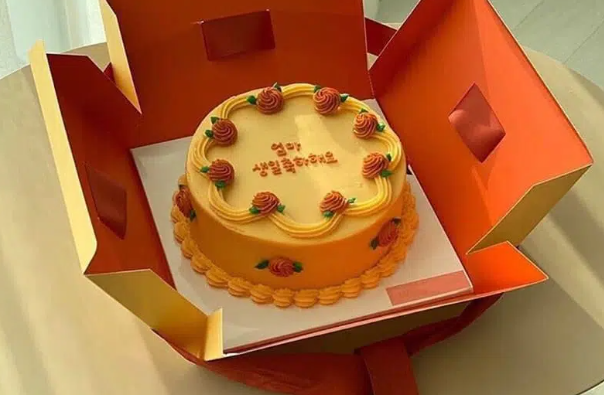
Material Selection and Printing Adaptability
Cake boxes commonly use materials such as cardboard, kraft paper, and corrugated paper. These materials are safe, environmentally friendly, and suitable for various printing processes. High-density cardboard can withstand the weight of the cake, reducing damage during transportation, while providing a smooth printing surface for clearer patterns. Some high-end boxes also feature transparent windows using food-grade plastic film, which is not only aesthetically pleasing but also allows consumers to easily see the product.
Key points for material selection include:
- Moisture resistance: Preventing the cake from becoming damp and spoiling.
- Oil resistance: Preventing cake grease from seeping into the packaging.
- Environmental friendliness: Biodegradable materials meet the trend of green consumption.
Appropriate material selection is the foundation of customized cake boxes and a crucial step in ensuring printing quality and food safety.
Printing Process and Visual Effects
Cake box printing processes are diverse, including offset printing, flexographic printing, screen printing, and embossing. Offset printing can present rich colors and intricate patterns, suitable for high-end brand displays; flexographic printing is suitable for mass production, exerting less pressure on the paper and maintaining the integrity of the box; screen printing is used for partial decoration or special effects, such as gold foil stamping or spot gloss; embossing can enhance the texture of the packaging, making the cake box more upscale.
Choosing the appropriate process not only affects the visual effect but also relates to printing precision and cost control. Combining different processes can make cake boxes both beautiful and durable, while highlighting brand characteristics.
Food-Grade Inks and Safety
Customized cake boxes must use food-grade inks to ensure that no harmful substances are produced when the packaging comes into contact with food. Water-based inks and soy inks are commonly used because they are environmentally friendly, safe, and easy to print with. During printing, the ink thickness must be controlled to avoid seepage or residue on the parts in contact with the cake. In addition, some cake boxes have an oil- and water-resistant coating inside to improve food safety and freshness preservation. The use of safe inks reflects a company’s emphasis on consumer health and is an essential condition for high-quality cake packaging.
The Impact of Design on Printing Results
Cake box design not only reflects aesthetics but also directly affects printing results. A reasonable folding structure can prevent printed patterns from breaking or misaligning, making the packaging neat and beautiful. Color matching and pattern layout need to consider the limitations of the selected printing process to ensure accurate and clear printing results. The packaging also needs to be labeled with the production date, shelf life, and food safety markings to provide consumers with necessary information and enhance their trust. A close integration of design and printing allows cake boxes to be both practical and brand-recognizable.
Post-processing Techniques and Packaging Texture
Post-processing after printing plays a crucial role in the texture and durability of the cake box. Common methods include:
- Lamination: Glossy or matte lamination improves moisture resistance and feel.
- UV coating: Enhances the abrasion resistance of printed patterns and prevents fading.
- Spot varnishing: Highlights text or patterns, increasing visual depth.
These treatments not only enhance the packaging’s quality but also extend the cake box’s lifespan, protecting the product from damage during transportation and storage.
Transportation and Environmental Considerations
Cake boxes are susceptible to compression or moisture during transportation. Therefore, customization requires consideration of the box structure and reinforced design to ensure packaging integrity. The use of environmentally friendly materials and biodegradable inks not only aligns with market trends but also reduces environmental impact. When customizing cake boxes, companies need to find a balance between aesthetics, durability, environmental friendliness, and cost to ensure the product reaches consumers safely.
Market Trends and Innovation
As consumers increasingly demand food safety and brand experience, cake box printing is showing a trend towards personalization and premiumization. Customized cake boxes must not only fulfill packaging functions but also increasingly emphasize creative design and brand storytelling. The application of intelligent printing equipment and automated production technology improves printing accuracy and production efficiency, enabling companies to provide diversified and high-quality cake packaging and enhance market competitiveness.
Cake box customization involves multiple aspects, including materials, printing processes, food-grade inks, design, and post-processing. A scientific understanding of printing can enhance the aesthetics of packaging, protect food safety, strengthen brand image, and provide consumers with a high-quality shopping experience.

