
Lamination Process Selection in Beverage Box Printing Knowledge

Beverage boxes are not only important carriers for transportation and storage, but also serve brand promotion and visual display functions. Lamination plays a crucial role in printing, protecting the printed pattern and enhancing the box’s moisture and wear resistance. Mastering the selection method for lamination processes is essential for improving packaging quality and extending service life.
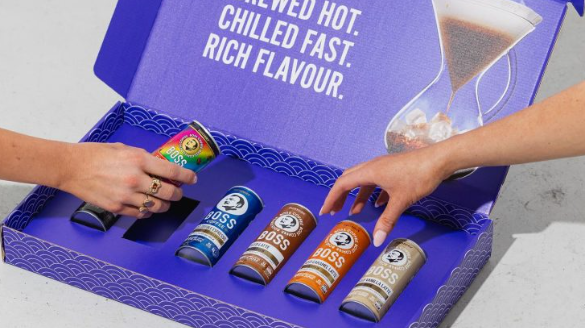
Material Selection and Printing Adaptability
High-strength cardboard or composite cardboard is commonly used for beverage boxes. These materials are both load-bearing and suitable for various printing processes. High-density cardboard has a smooth surface, allowing for clear patterns, while composite cardboard enhances moisture resistance, pressure resistance, and wear resistance through its multi-layer structure. Material selection directly affects the lamination process; different materials are suitable for different types of lamination to ensure the protection of the printed pattern and the durability of the box.
Material selection considerations:
- Load-bearing capacity: Ensures the box does not collapse during multi-layer stacking and transportation.
- Moisture resistance: Reduces the impact of moisture on the beverage box, preventing deformation.
- Environmental friendliness: Choose biodegradable or recyclable materials, aligning with the trend of green packaging.
Reasonable material matching is the foundation for choosing a lamination process, directly affecting the overall performance and printing effect of the beverage box.
Common Lamination Process Types
Lamination processes mainly include glossy lamination, matte lamination, and partial lamination.
- Glossy Lamination: A glossy surface enhances color saturation and visual impact, while also providing good waterproof and moisture-proof properties.
- Matte Lamination: A matte surface provides a comfortable feel, reduces glare, and is more suitable for high-end beverage packaging designs.
- Partial Lamination: Lamination is applied only to specific areas, such as brand logos or patterns, highlighting key elements while saving material costs.
The choice of lamination type should be based on the intended use of the beverage box, brand positioning, and display requirements.
Lamination Thickness and Protective Effect
Lamination thickness directly affects the protective performance and printing effect of the beverage box. Thicker lamination provides stronger abrasion and moisture protection but may increase box rigidity, affecting folding and assembly; thinner lamination is easier to process and feels lighter, but its durability is slightly lower. When choosing a lamination thickness, businesses need to consider the transportation environment and storage period to ensure both box protection and ease of handling.
Printing Process and Lamination Compatibility
The lamination process must be compatible with the printing process. Colors and patterns from offset printing, flexographic printing, or screen printing must remain clear and vibrant after lamination. Thick inks or special decorative patterns may experience bubbling, wrinkling, or color differences during lamination. Therefore, the adaptability of the lamination process should be considered in the printing design to ensure a harmonious and unified printing and lamination effect.
Post-processing and Protective Performance
Post-processing after printing plays a crucial role in the durability of beverage boxes. Common methods include:
- UV Coating: Improves surface hardness and abrasion resistance, extending service life.
- Embossing: Enhances the visual depth of the box while protecting key designs.
- Spot Varnishing: Highlights brand logos or key packaging areas in conjunction with lamination.
Combining post-processing with lamination not only improves visual appeal but also enhances the protective performance of beverage boxes during transportation and storage.
Transportation and Storage Considerations
Beverage boxes are susceptible to compression, collisions, and moisture during transportation and storage. Appropriate selection of lamination type and thickness can improve the box’s moisture and abrasion resistance, reducing damage during transport. Combining environmentally friendly materials and scientific structural design can ensure packaging safety while minimizing environmental impact and enhancing brand image.
Market Trends and Innovation
The beverage box market is showing trends towards high-end, environmentally friendly, and personalized products. The combination of environmentally friendly lamination materials, intelligent printing equipment, and creative design achieves a balance between aesthetics, durability, and environmental friendliness in beverage boxes. In the future, lamination processes will place greater emphasis on energy conservation and environmental protection, while simultaneously enhancing brand value and consumer experience through diversified designs.
The selection of lamination processes in beverage box printing involves materials, process types, thickness, printing compatibility, and post-processing. A scientific understanding of these aspects can improve packaging aesthetics, extend service life, enhance protective performance and environmental value, and create greater market recognition for the brand.

