
High-End Product Packaging Design Methods

In the increasingly competitive high-end market, product packaging is no longer merely a tool for protecting goods, but also a crucial reflection of brand value, quality positioning, and consumer experience. For high-end products, packaging often plays a key role in the “first impression.” Before consumers fully understand the product’s functions, their first impression is the packaging’s appearance and texture. Therefore, high-end packaging design must achieve a unified expression across visual, tactile, and emotional levels, accurately conveying the brand’s prestige and professionalism. High-end products are typically more expensive, and consumers prioritize quality, status symbolism, and the overall experience when purchasing them. This demands more meticulous attention to detail and a more restrained yet refined style in packaging design. Simultaneously, high-end packaging design must be highly aligned with the brand strategy. It must not only showcase the product’s superior performance but also convey the brand culture, values, and unique positioning. Simplicity does not equate to plainness, and luxury does not equal complexity. Truly successful high-end packaging design, based on controlling the number of elements, achieves a sense of sophistication and order through the meticulous combination of materials, proportions, structure, and craftsmanship.
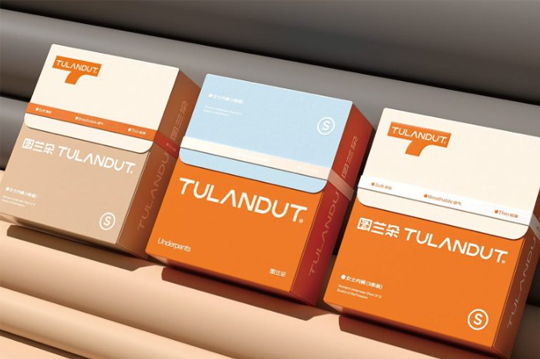
Clear Positioning
The first step in high-end packaging design is to clearly define the brand positioning and product attributes. Different types of high-end products have significantly different design directions. For example, luxury goods emphasize prestige and scarcity, high-end technology products emphasize professionalism and a futuristic feel, while high-end food emphasizes quality and safety.
Before designing, several core questions need to be answered:
Who is the target consumer group for the product?
What image does the brand want to convey?
How should the visual level corresponding to the price range be reflected?
Only with a clear positioning can subsequent color selection, material application, and structural design have a clear direction. Unclear positioning will lead to a chaotic packaging style and weaken the sense of high-end.
Visual Minimalism
High-end packaging often adopts a minimalist design concept. Reducing elements and highlighting key points are important methods to create a sense of sophistication.
– Reduce unnecessary patterns
– Control the amount of text
– Emphasize white space
White space can improve visual breathing room, making the packaging appear more composed and stable. Too much decoration will weaken the sense of high-end and make the product look cheap. Minimalism is not blankness, but rather the embodiment of order and balance in precise layout. Typography is usually chosen in a simple and powerful style, avoiding flashy decorations to enhance the overall texture.
Material Upgrades
Materials are the core of high-end packaging design. Visual appeal can be imitated, but tactile feel is irreplaceable. High-end products typically use high-quality paper, metal, glass, or environmentally friendly composite materials, conveying quality through the materials themselves.
Common methods include:
Using thick, sturdy cardboard to enhance a sense of stability
Using matte or frosted surfaces to add a delicate tactile feel
Combining metal or wood elements to elevate the overall look
The choice of materials must match the brand positioning. For example, high-end skincare products tend towards a delicate and soft texture, while high-end electronics lean towards a cool and rational style. Material upgrades allow consumers to immediately perceive the correlation between price and quality.
Refined Craftsmanship
In high-end packaging design, the details of craftsmanship determine the overall quality. Common high-end techniques include hot stamping, embossing, relief, spot UV coating, and screen printing. These techniques can strengthen brand identity and create different layers of effect on the packaging depending on the light.
Spot hot stamping highlights the brand logo
Embossing adds tactile variation
Relief enhances the three-dimensionality of the design
However, it is important to note that techniques should be used in moderation. Excessive layering will appear cluttered and detract from the overall sense of sophistication. The key to exquisite craftsmanship lies in the attention to detail, including neat edge trimming, clear printing, and a tight structure.
Rational Structural Design
High-end packaging must not only be aesthetically pleasing but also provide a superior user experience. Structural design directly impacts the consumer’s unboxing experience.
The following methods can be employed:
—— Drawer-style structure enhances the sense of occasion.
—— Magnetic closure improves convenience.
—— Layered design highlights product hierarchy.
A rational structure enhances the overall product experience, creating surprise and anticipation for consumers upon opening the packaging. The unboxing process itself becomes part of the brand experience.
Strengthening Brand Identity
High-end products require a strong brand identity. The position, proportion, and presentation of the brand logo in packaging design require careful planning.
· Logo size should not be too large.
· Maintain visual balance in placement.
· Consistent font style.
The presentation of the brand logo directly influences consumers’ perception of the brand’s professionalism. A clear and unified visual system contributes to long-term brand building.
Color Control Colors in high-end packaging design typically lean towards a subdued and understated style. Black, white, gray, dark blue, and burgundy are commonly used to convey a sense of sophistication.
Principles of color application include: No more than three main colors; controlling saturation; emphasizing overall unity; and avoiding overly bright or complex color combinations that diminish the sense of luxury. Restraint and unity in color can create a calm and professional visual effect.
In the high-end product market, packaging design is not only about appearance but also a reflection of brand value and quality commitment. Successful high-end packaging design requires a clear positioning, utilizing minimalist visuals, high-quality materials, meticulous craftsmanship, and a rational structure to form a complete and unified expression system. Every detail should revolve around “quality” and “trust,” from visual to tactile, from structure to the unboxing experience, ensuring consumers feel valued and respected. Methods for high-end product packaging design include clear positioning, minimalist visual expression, material upgrades, meticulous craftsmanship, structural optimization, and strengthening brand identity. The design process emphasizes control and balance, reducing unnecessary embellishments, highlighting core elements, and creating a simple yet powerful visual system. Excellent high-end packaging design can convey quality signals immediately, enhance brand recognition, and boost consumer confidence and user experience. It not only protects the product but also shapes the brand image, making it a crucial factor that cannot be ignored in the competitive high-end market.

