
What are some design ideas for creative packaging boxes?

In a market environment where product homogenization is increasingly evident, creative packaging box design has become a crucial competitive strategy for brands. Faced with a plethora of products, consumers are often drawn to unique packaging, sparking their interest in learning more about the product. Packaging is not only a protective layer for the product but also the primary medium for communication between the brand and consumers. A creative packaging design can make a product stand out on the shelf, while simultaneously enhancing brand image and product value.
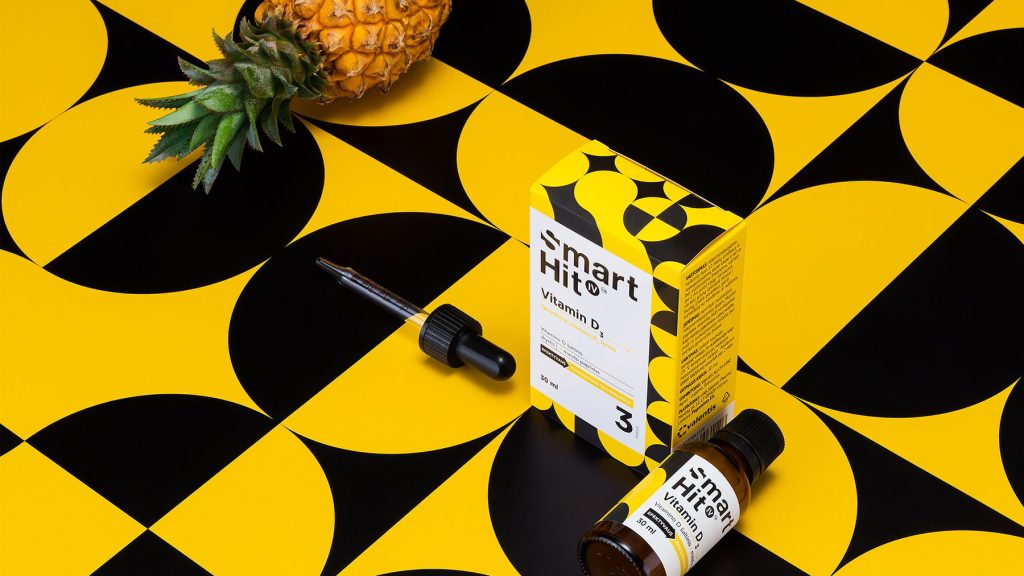
Creative packaging design is not merely about visual appeal; it’s about integrating product characteristics, brand story, and consumer experience through different design approaches. Excellent creative packaging typically combines visual appeal, practicality, and memorability, creating a lasting impression on consumers from the first glance. During the design process, creativity often stems from a deep analysis of product attributes, user needs, and market trends. Designers can use graphic creativity, structural innovation, material variations, and interactive experiences to present packaging in a unique and distinctive way. Simultaneously, creative design must consider practical production and cost control to ensure that the idea is both attractive and feasible for implementation. Below, we introduce common design ideas for creative packaging boxes from multiple perspectives.
Starting with Product Characteristics
The most direct approach to creative packaging is to design around the product itself.Designers can extract the core characteristics of the product and transform them into visual elements or structural forms. For example:
· Food packaging emphasizes freshness or natural attributes
· Technology products emphasize precision and a futuristic feel
· Handmade products emphasize warmth and texture.
When packaging design is closely integrated with product characteristics, consumers can more easily understand the product’s value and form a clear brand impression.
Structural Innovation Design
Changes in packaging structure can bring a strong sense of novelty.
Common structural innovations include:
· Drawer-style gift box structure
· Folding and unfolding structure
· Multi-layered combination structure
These designs not only enhance the visual appeal of the packaging but also improve the unboxing experience. When consumers experience surprise when opening the packaging, the overall product experience is enhanced.
Graphic and Illustration Creativity
Graphic design is an important expression method for creative packaging.
Common methods include:
· Using original illustrations
· Transforming brand stories into graphics
· Using abstract patterns to express product concepts
Unique graphic styles can create a clear visual identity for the packaging while increasing design interest. Especially among younger consumers, illustrative packaging tends to spread more easily.
Cutout and Layered Designs
Cutout designs can increase the layering of packaging.
Design methods include:
· Designing graphic cutouts on the box lid
· Creating visual overlap through multiple layers of paper
· Combining transparent materials to showcase the product
This design not only enhances the three-dimensional effect but also allows consumers to see parts of the product, thereby increasing trust and appeal.
Innovative Material Applications
Different materials offer different visual and tactile experiences.
For example:
· Kraft paper embodies naturalness and environmental friendliness
· Metallic paper presents a high-end texture
· Fabrics or special textured materials enhance tactile feel
By varying materials, packaging can create a unique tactile experience, thus increasing the impression of product quality.
Interactive Designs
Interactive designs can enhance consumer engagement.
Common methods include:
· Incorporating mini-games or puzzle elements into the packaging
· Designing hidden information or patterns
· Using QR codes to connect digital content
This creative approach allows packaging to become not just a container but also an experiential medium. Consumers will find it more enjoyable during use.
Cultural and Storytelling Expression
Creative packaging can also express itself through cultural elements.For example:Traditional patterns、Regional cultural motifs、Brand history illustrations.
Through visual storytelling, consumers can experience the brand’s background and cultural value through the packaging. Packaging with a narrative often establishes an easier emotional connection.
Minimalist Creative Expression
Sometimes creativity doesn’t come from complex design, but from minimalist expression. For example: large areas of white space, simple graphics, and prominent brand text. This design emphasizes key elements by reducing features, making the packaging appear more sophisticated and modern. Minimalist style is very common in high-end product packaging.
Designers start with product characteristics, brand positioning, and consumer needs, choosing appropriate creative approaches and achieving a balance between visual expression and structural function. Only by finding a reasonable relationship between creativity and practicality can packaging design truly realize its value. Creative packaging design approaches include starting with product characteristics, structural innovation, graphic illustration design, cutout layering design, material innovation, interactive experience, and cultural storytelling. Through these methods, packaging can differentiate itself visually, tactilely, and in terms of user experience, making the product more attractive in the market and enhancing the overall brand image.

