
What are the commonly used materials for high-end packaging boxes?

In the high-end product market, packaging boxes not only fulfill the basic function of protecting the product, but also serve as an important reflection of brand image and quality. Consumers often judge the product’s grade by its packaging when purchasing high-end products, making the selection of packaging materials particularly crucial. High-quality materials can enhance the packaging’s texture, structural stability, and visual appeal, making the product more refined in both appearance and feel. High-end packaging box design typically combines material texture, printing technology, and structural design to create an overall style. Designers need to select appropriate materials based on product type, brand positioning, and market demand. High-end packaging materials must not only have a good appearance but also stable structural performance and processing adaptability. Common high-end packaging box materials include various paper materials, wood materials, metal materials, and special composite materials. Below, we introduce the commonly used material types for high-end packaging boxes and their application characteristics from several aspects.
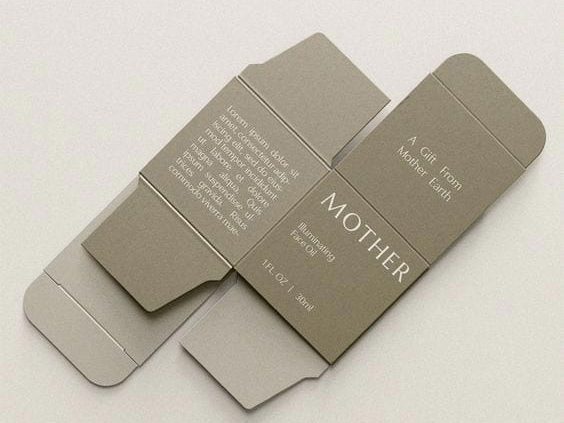
Grey Board Paper Material
Grey board paper is a very common structural material in high-end packaging boxes. This material is usually used as the internal skeleton of the packaging box, and then covered with other surface materials through a pasting process. The characteristics of grey board paper include:
• High thickness and structural stability
• Strong load-bearing capacity
• Relatively moderate cost
Grey board paper is often used in gift boxes, cosmetic boxes, and electronic product packaging to make structures such as hinged boxes, drawer boxes, and flip-top boxes. By combining it with specialty paper or printing paper, a high-end visual effect can be achieved.
Specialty Paper Materials
Specialty paper is a type of paper with special textures and surface effects.
Common types include: fabric-textured paper, pearlescent paper, tactile paper, and metallic paper.
Specialty paper can enhance the tactile experience of the packaging surface while improving the overall texture. Many high-end brands use understated yet delicate specialty papers to make the packaging appear more refined both visually and tactilely.
Coated Paper Materials
Coated paper is a very common material in packaging printing.
Its main characteristics include:
• Smooth surface, suitable for fine printing
• High color reproduction
• Can be laminated, hot stamped, and other processes
Coated paper is commonly used in food gift boxes, cosmetic packaging, and consumer product packaging. Coated paper offers superior printing results when rich patterns or colors are required.
Kraft Paper
Kraft paper has also been widely used in high-end packaging in recent years.
Its main advantages include:
· A natural and environmentally friendly visual effect
· A simple yet powerful texture
· Good abrasion resistance
For brands emphasizing natural, healthy, or environmentally friendly concepts, kraft paper packaging effectively expresses brand value while creating a unique style.
Wood Materials
Wood materials are often used for high-end gift boxes or collectible packaging.
Common forms include: solid wood boxes, wood grain composite material boxes, and wooden decorative structures.
Wooden packaging has natural textures and a substantial feel, significantly enhancing the product’s prestige. For example, high-end tea, wine, and jewelry products often use wooden boxes to enhance the sense of occasion.
Metal Materials
Metal materials are often used for special products in high-end packaging. Examples include: metal boxes, aluminum packaging, and stainless steel decorative structures. Metal materials are durable, modern, and offer good protection. Acrylic is commonly found in high-end food, gifts, and collectible products.
Acrylic Material
Acrylic is a highly transparent material.
Its characteristics include:
· Transparency close to glass
· Lightweight
· Easy to process into various shapes
In high-end cosmetics, display gift boxes, and electronic product packaging, acrylic can be used to create transparent shells or display structures, making the product more visually appealing.
Fabric and Leather Materials
Fabrics and leather are often used for surface decoration in high-end packaging.
Applications include:
· Covering the outer layer of cardboard boxes
· As an inner lining material
· Used for decorative details
Fabrics and leather can add tactile depth while conveying a high-end and luxurious atmosphere. Many luxury brands use this method to enhance the sense of quality.
Composite Materials
Composite materials are packaging methods that combine multiple materials.
For example: combining cardboard and metal; combining wood and fabric; combining paper and transparent plastic structures.
Through composite material design, the advantages of different materials can be leveraged simultaneously, achieving a better balance in terms of visual appeal, structural strength, and functionality.
In high-end packaging design, the choice of materials directly impacts the overall quality of the packaging. Different materials not only determine the visual effect of the packaging but also affect the tactile experience, durability, and brand image. When selecting materials, designers need to comprehensively consider product positioning, design style, and production costs to ensure consistency between the materials and the design concept. Commonly used materials for high-end packaging boxes include grey board paper, specialty paper, coated paper, kraft paper, wood, metal, acrylic, and fabrics and leather. By combining these materials through different processes and structural designs, a rich variety of packaging effects can be achieved, allowing the product to showcase high-quality characteristics on both visual and tactile levels, while simultaneously enhancing the overall brand image.

