
Comparison of Common Printing Processes for Coffee Packaging Boxes

The coffee market is increasingly competitive, and product appearance design has become a crucial factor in attracting consumers. Packaging boxes not only protect the product but also directly impact brand image and consumers’ first impression. Exquisite coffee packaging boxes typically require different printing processes to enhance visual appeal and texture. Different printing processes vary significantly in color reproduction, cost control, and production efficiency. Choosing the right printing method allows for a good balance between appearance and practicality in coffee packaging boxes. Understanding the characteristics of common printing processes is essential for improving packaging quality and brand recognition.
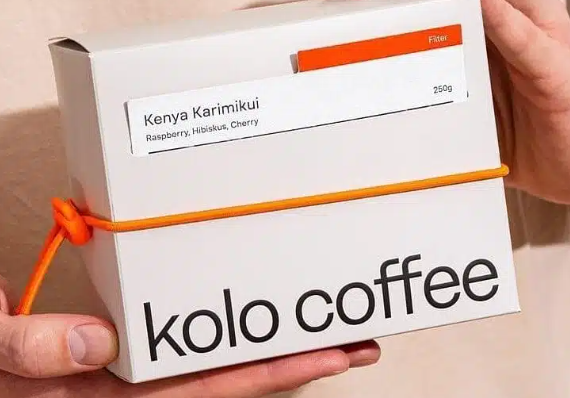
Common Printing Methods for Coffee Packaging Boxes
During the production of coffee packaging boxes, different printing methods are typically chosen to meet design requirements. Different processes are suitable for different batch sizes and effect requirements.
- Offset Printing: Offset printing is widely used in paper packaging box production, characterized by high color fidelity and clear patterns, making it suitable for mass production.
- Flexographic Printing: Flexographic printing is suitable for various packaging materials, offers faster printing speeds, and is widely used in some food packaging fields.
- Screen printing: This process creates a thicker ink layer, giving the pattern a three-dimensional effect, suitable for some special effects designs.
- Digital printing: Digital printing is suitable for small-batch production or personalized customization, reducing plate-making processes and increasing production flexibility.
Different printing methods differ in cost, efficiency, and pattern effects. When designing coffee packaging boxes, the choice should be based on product positioning and production scale.
Visual Effects of Surface Treatment Processes
After basic printing, coffee packaging boxes usually undergo surface treatment processes to enhance their visual appeal. Common processes include lamination, varnishing, and embossing. Lamination forms a protective layer on the packaging surface, making the pattern more vibrant and improving wear resistance. Varnishing increases surface gloss, making the pattern brighter. Embossing creates texture on the paper surface, enriching the tactile feel of the packaging. A proper combination of these processes can give coffee packaging boxes a more refined appearance and enhance the overall quality.
Application of Special Printing Techniques in Coffee Packaging
To enhance brand recognition, some coffee brands use special printing techniques in their packaging designs to make the packaging more visually impactful. Hot stamping (gold/silver foil) and spot UV coating are common decorative techniques. Hot stamping uses metallic foil to create a metallic sheen on the packaging surface, making the brand logo more prominent. Spot UV coating creates a highlight effect in designated areas, giving the pattern a distinct sense of depth. Embossing creates raised patterns on the packaging surface, giving the packaging a three-dimensional effect. These techniques enhance the overall quality of coffee packaging, making the product more attractive to consumers on the shelf.
Cost and Applicable Scenarios of Different Printing Techniques
When choosing a printing technique for coffee packaging, production costs and product positioning must be considered comprehensively. Ordinary offset printing is suitable for large-scale production, effectively controlling costs and ensuring consistent quality. Digital printing has advantages in small-batch production or product testing stages, reducing plate-making costs. While special techniques can significantly improve the packaging appearance, their production costs are relatively high, therefore they are typically used for branded product lines or high-end coffee products. By appropriately combining printing and decorative techniques, the visual appeal of packaging can be enhanced while controlling costs.
The Impact of Printing Process Selection on Brand Image
Coffee packaging boxes are not only the outer container of the product but also an important carrier of brand communication. The choice of printing process directly affects the packaging’s texture and visual presentation. Clear and vibrant packaging designs, coupled with appropriate surface treatments, can enhance consumers’ brand recall. Through a combination of sophisticated printing techniques and creative design, coffee packaging boxes can convey brand concepts while showcasing product information, creating a unique image for the product in the market. The rational use of various printing processes allows coffee packaging boxes to achieve a good balance between aesthetic design and functional protection, thereby enhancing the overall product value.

