
Coffee Packaging Box Printing Knowledge and Moisture-Proof Structure Analysis

Coffee products have high requirements for their storage environment. Packaging not only needs to have a good visual effect but also needs to protect the coffee quality during storage and transportation. Coffee beans and ground coffee are easily affected by air and humidity. If the packaging structure is not properly designed, it may lead to aroma loss or moisture absorption and spoilage. Coffee packaging boxes are usually designed by combining printing technology with structural design, so that the packaging can both showcase the brand image and provide a stable protective environment for the product. Understanding coffee packaging box printing methods and moisture-proof structures is of great significance for improving product quality and brand image.
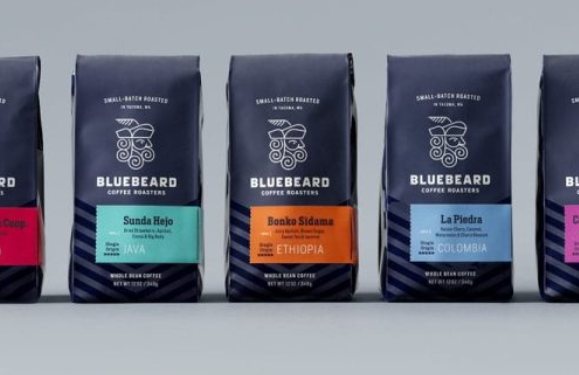
Common Coffee Packaging Box Printing Methods
Coffee packaging boxes are usually produced using various printing processes to meet different design needs and production scales. Different printing methods vary in color performance, production efficiency, and cost.
- Offset Printing: This printing method is widely used in paper packaging box production, achieving high pattern clarity and color reproduction, suitable for mass production.
- Flexographic Printing: Flexographic printing is suitable for various packaging materials, has a faster printing speed, and is commonly used in the food packaging industry.
- Digital printing: Suitable for small-batch customization or new product trial production, digital printing can reduce plate-making processes and improve production flexibility.
- Screen printing: This process can form a thicker ink layer, making the pattern more three-dimensional, and has advantages in some special packaging designs.
Choosing the right printing method can achieve a good balance between visual appeal and production efficiency for coffee packaging boxes.
The Impact of Packaging Box Surface Treatments on Quality
After basic printing, coffee packaging boxes usually undergo surface treatment processes to enhance the packaging texture and increase durability. Lamination can form a protective layer on the paper surface, giving the packaging a certain degree of water resistance and abrasion resistance. Matte lamination and glossy lamination can present different visual effects; matte lamination conveys a calm texture, while glossy lamination can enhance the gloss of the pattern. Spot varnishing or UV treatment can make the brand logo stand out more, making the packaging design more layered. Through these processes, coffee packaging boxes not only have an aesthetically pleasing appearance but also maintain good condition during transportation and storage.
Moisture-Proof Structure Design of Coffee Packaging Boxes
Coffee products require minimal exposure to air and humidity during storage, making packaging structure design crucial.
- Inner Bag Sealing Structure: Adding an inner bag of aluminum foil or composite film inside the cardboard box effectively blocks air and moisture.
- Sealed Folding Structure: Special folding methods enhance packaging sealing, maintaining a stable environment for the coffee before opening.
- Moisture-Proof Coating Design: Adding a moisture-proof coating to the cardboard surface reduces moisture penetration.
- Multi-Layer Composite Material Structure: Combining paper and composite materials enhances the packaging’s barrier properties.
These structural designs reduce the impact of external environmental factors on coffee quality, maintaining good freshness during transportation and storage.
Integration of Printing Design and Functional Structure
Coffee packaging box design must consider not only print quality but also structural functionality. Packaging graphics typically showcase brand information, coffee origin, and flavor characteristics; therefore, the print design needs to be clear and attractive. Simultaneously, the packaging structure must ensure the product is not easily damaged by moisture or compression during transportation. By combining printing design with a moisture-proof structure, coffee packaging can be both visually appealing and provide practical protection. A well-designed structure also enhances the opening experience, providing consumers with a better experience.
The Impact of Coffee Packaging Design on Brand Value
In the coffee market, with numerous brands, packaging often becomes a crucial element for consumers to identify products. High-quality printing enhances the visual appeal of packaging, while a scientifically designed moisture-proof structure ensures consistent coffee quality. When packaging possesses both a good appearance and practical function, it is easier to gain consumer trust. By continuously optimizing printing technology and structural design, coffee packaging boxes can showcase brand characteristics while improving the overall product quality, enabling the brand to establish a more distinctive image in the highly competitive coffee market.

