
How to Choose Packaging Box Materials?

In product packaging design, the choice of materials often directly affects the overall presentation and user experience. Different types of packaging box materials differ significantly in texture, strength, and visual appeal, which can be confusing for many when customizing. A suitable packaging material not only protects the product but also enhances its overall appearance, leaving a better first impression on consumers. For brands, packaging is no longer just a simple container but an important way to convey value and style. Understanding material characteristics and combining them with product positioning and usage needs allows for packaging that better suits practical applications and creates a more harmonious and natural overall design.
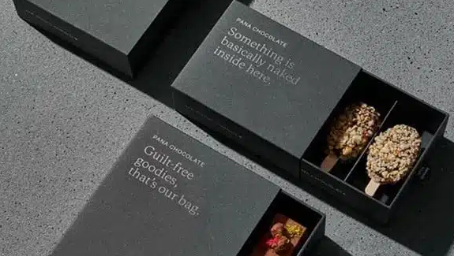
Matching Materials Based on Product Type
Different products have different packaging requirements. Material selection should revolve around the product itself to achieve better protection and display.
- Consider Product Weight and Characteristics: Heavier or fragile products require stronger materials to ensure safety during transportation and storage.
- Matching Product Positioning and Purpose: Ordinary goods and high-end gifts have different packaging needs, and the choice of materials will change accordingly.
Judging packaging based on the product itself ensures a better match between practicality and aesthetics, avoiding inconsistencies.
Focus on Material Texture and Appearance
Packaging boxes are not only protective tools but also serve a display function, making the visual effect of the materials crucial.
- Different Materials Present Different Styles: Paper, rigid boxes, or specialty papers offer different tactile and visual experiences.
- Enhancing Overall Sophistication: Materials with a refined texture make packaging appear more elegant, thus elevating the product image.
Paying attention to appearance during selection makes packaging more attractive and better aligned with the brand style.
Consider Durability and Practical Usage Needs
Packaging boxes need to be durable during transportation and use, a crucial factor in material selection.
- Compression Resistance and Protective Capacity: The strength of the material directly affects the protective effect of the packaging box, especially critical during logistics.
- Adapting to Different Usage Scenarios: Some packaging requires long-term storage or repeated use, necessitating materials with better durability.
By focusing on these practical needs, packaging can be more stable and reliable during use.
Combining Environmental and Cost Factors
In actual customization, environmental friendliness and cost control are equally important aspects to consider.
- Environmentally friendly materials offer advantages: Recyclable or environmentally friendly materials better meet current market demands and help enhance brand image.
- Reasonable budget control: Different materials have significant price differences; a balance must be found between quality and cost when choosing.
By comprehensively considering these factors, packaging can meet needs while also better suiting practical application conditions.
The choice of packaging box material is not a one-dimensional judgment. A suitable material not only provides good protection during transportation but also enhances the overall texture during display, making the product more attractive. In actual customization, by clearly defining requirements and reasonably combining different materials, packaging can achieve a balance between practicality and aesthetics. At the same time, focusing on environmental protection and cost control can also make the solution more complete. Through meticulous selection and planning, packaging can become an integral part of the product, showcasing a higher sense of quality in the details.

