
E-commerce Packaging Box Printing Knowledge and Transportation Protection Design

In the context of rapid e-commerce development, packaging boxes not only serve to showcase brand image but also directly relate to the safety of goods during transportation. An excellent e-commerce packaging solution needs to strike a balance between printing quality and protective design, ensuring the product is visually appealing while remaining intact during logistics, thereby enhancing the overall user experience.
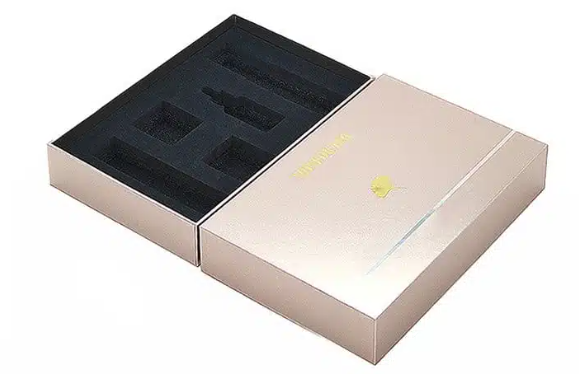
Basic Principles of E-commerce Packaging Box Printing
E-commerce packaging box printing design needs to consider both visual appeal and cost control. Common printing methods include offset printing and digital printing, each differing in color reproduction and batch adaptability. For large-volume orders, offset printing offers stable color output, while digital printing is more suitable for small-batch customization. During the design process, attention must be paid to color reproduction, pattern clarity, and the prominence of brand logos to ensure the packaging maintains good visual appeal during transportation.
The Impact of Packaging Materials on Protective Performance
During transportation, the choice of packaging materials directly affects product safety. Common materials include corrugated cardboard, white cardboard, and composite materials. Corrugated structures offer excellent cushioning, making them suitable for transporting fragile goods, while thicker cardboard enhances overall compression resistance. By rationally combining materials, costs can be controlled while ensuring protective effectiveness, making packaging more practical.
Key Measures in Transportation Protection Design
To ensure goods are not damaged during transportation, e-commerce packaging needs optimization in both structure and internal protection. These measures effectively reduce transportation risks:
- Structural reinforcement design: Improving the overall strength of the packaging by reinforcing corners and load-bearing points.
- Application of cushioning materials: Using bubble wrap or fillers to reduce the impact of vibration.
- Appropriate size matching: Avoiding packaging that is too large or too small to reduce internal space movement.
- Waterproof and moisture-proof treatment: Adding a protective layer to the outer layer to prevent environmental factors from affecting product quality.
- Optimized sealing method: Using a robust sealing design to prevent opening during transportation.
The rational application of these measures can effectively improve the protective performance of the packaging, keeping goods intact in complex logistics environments.
Combination of Printing and Brand Display
E-commerce packaging is not only used for transportation but also plays a role in brand communication. High-quality printing on packaging boxes can enhance brand recognition. The design can incorporate brand colors and logos to provide consumers with a better visual experience upon receiving the package. Even with complex protective designs, a balance between aesthetics and practicality can be achieved through a well-planned layout.
User Experience and Packaging Design Optimization
In the e-commerce environment, user experience is a crucial consideration. Packaging not only needs to protect the goods but also facilitate opening and use. A well-designed opening mechanism can improve user satisfaction while reducing unnecessary damage risks. In practical applications, optimizing the structural design can make the packaging both sturdy and easy to handle, thereby improving the overall user experience.
The combination of e-commerce packaging box printing and shipping protection design achieves a dual improvement in both function and visual appeal. By appropriately selecting printing methods, optimizing materials, and improving the protective structure, product safety can be effectively guaranteed, while simultaneously enhancing brand image and providing users with a superior shopping experience.

