
How is the effect of embossed packaging technology?

In modern packaging design, embossing is widely used in high-end products and gift packaging. Embossing not only enhances visual appeal but also increases the tactile experience, giving the packaging a sense of luxury through both visual and tactile senses. Especially in cosmetics, perfumes, wines, and luxury goods packaging, embossing is often used to highlight brand logos, patterns, or decorative elements, thereby enhancing consumer brand awareness and purchasing desire. The core value of embossing lies in “understated luxury.” Compared to hot stamping or spot UV varnishing, embossing is not overly eye-catching; instead, it conveys texture and a delicate tactile experience through subtle variations in surface texture.
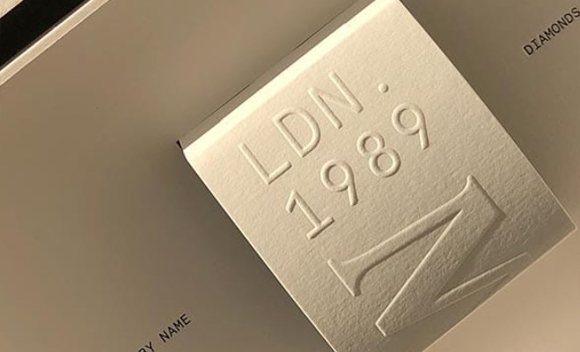
This technique allows packaging to add depth to a minimalist design and enhances visual impact through light and shadow effects. When consumers touch the packaging, the tactile feel of the embossing creates a memorable impression, making the product stand out from competitors. Furthermore, embossing can be combined with other packaging techniques such as color, materials, and structure to create greater depth in the overall design. Different materials produce different embossing effects: thick cardstock is suitable for delicately raised brand logos, pearlescent or frosted paper can present a soft light and shadow effect, while metallic materials make embossing appear more refined and modern. The proper use of embossing not only enhances the texture of packaging but also strengthens brand expression.
Prominent Brand Logo
Embossing allows the brand logo to be displayed both visually and tactilely.
Embossing for Recognition: The logo is raised or recessed through embossing, making the brand name clearly visible on the packaging surface.
Understated Luxury: Without relying on color or metallic finishes, the brand identity is highlighted solely by touch and light and shadow.
Enhanced Brand Recognition: Consumers can quickly identify the brand on shelves or in displays.
For example, high-end skincare packaging uses partial embossing to raise the brand logo, conveying a luxurious feel even with low overall color saturation.
Rich Pattern Layers
Embossing adds a three-dimensional feel and delicate layers to the packaging surface.
Decorative Patterns: Embossing floral, geometric, or textured patterns onto the packaging surface.
Light and Shadow Variations: Creating contrasts of light and shadow under illumination, giving the packaging greater visual depth.
Detail Highlighting: Emphasizing key elements without compromising overall simplicity.
For example, a perfume gift box with embossed floral patterns on frosted paper creates a subtle textured effect, enhancing both visual appeal and tactile experience.
Enhanced Tactile Experience
Consumers receive unique tactile feedback when touching embossed packaging.
Tactile Memory: The textured surface makes the packaging more distinctive.
Psychological Satisfaction: The delicate feel creates a premium experience for consumers.
Enhanced Interaction: The act of touching itself becomes part of the consumer experience.
For example, high-end lipstick packaging uses partial embossing combined with a matte material, allowing consumers to perceive refinement and quality even before use.
Enhanced Visual Premiumness
Embossing can elevate visual sophistication without adding complex decorations.
Using White Space: Embossing details appear more sophisticated against a simple background.
Using Metal or Glossy Finish: Increases light and shadow contrast, enhancing the sense of depth.
Strengthening Focal Elements: Makes core patterns or brand logos stand out more.
For example, a face cream box uses a low-saturation gray background, with the logo partially embossed to raise the overall packaging, making it look refined and high-end.
Material Matching Effects
Different materials produce different embossing effects.
Thick Cardboard: Clear raised texture, suitable for logos and text.
Frosted Paper: Soft light and shadow, with a more sophisticated visual texture.
Pearl Paper or Metallic Materials: Increases gloss and tactile depth.
For example, perfume bottle packaging uses pearlescent paper; the embossed pattern shimmers under light, giving the packaging a more textured and mysterious feel.
Functional Auxiliary Functions
Embossing is not only aesthetically pleasing but can also enhance the practical function of packaging.
Anti-slip effect: Provides a more stable grip.
Identification and partitioning: Different elements are distinguished by embossing, enhancing the layout.
Protective function: Slight embossing reduces surface friction during impacts.
For example, high-end cosmetic sets feature embossed lines on the sides, making opening and closing more comfortable and reducing the risk of slipping.
Innovative Process Combinations
Embossing can be combined with other printing or processing techniques to create multiple effects.
Embossing + Spot Hot Stamping: Highlights brand names or decorative patterns.
Embossing + UV Gloss: Enhances light and shadow contrast and tactile differences.
Embossing + Color Gradient: Increases three-dimensionality and visual impact.
For example, high-end fragrance gift sets combine embossed patterns with gold hot stamping, making the packaging both delicate and luxurious.
Wide Applicability
Embossing is suitable for a variety of high-end product packaging.
Cosmetics: Cream, serum, lipstick gift sets
Perfume and Wine: Gift bottle caps and outer boxes
Luxury Goods and Gifts: Handbags, jewelry boxes
Through embossing, packaging can consistently enhance the texture and brand image across different product types. IX. Enhanced Psychological Value Embossed packaging delivers psychological satisfaction through both visual and tactile experiences.
Enhancing Prestige: Consumers perceive a sense of high-end exclusivity and uniqueness.
Increasing Collectibility: The packaging itself becomes an object of collection or display.
Increasing Brand Loyalty: High-quality packaging conveys brand value.
For example, a high-end face mask set, through the combination of embossing and delicate materials, creates a sense of prestige for consumers even before use.
Embossing plays a crucial role in high-end packaging design, not only enhancing visual appeal and tactile experience but also reinforcing brand identity, increasing interactivity, and providing psychological satisfaction. Through the rational application of material selection, process combinations, color matching, and structural design, embossed packaging can significantly add value to high-end products such as cosmetics, perfumes, and luxury goods. The effects of embossing include prominent brand logos, rich pattern layers, enhanced tactile experience, improved visual premium feel, material matching effects, functional support, innovative process combinations, wide applicability, and enhanced psychological value. By skillfully utilizing these effects, designers can make packaging resonate with consumers on both visual and tactile levels, while simultaneously strengthening brand image and market competitiveness.

