
Dominant Factors in Packaging Color Design

In modern commercial competition, packaging boxes not only protect goods but also serve as crucial mediums for attracting consumers and conveying brand information. A well-designed and appropriately colored packaging box can immediately capture consumers’ attention and stimulate their desire to buy. Color occupies a central position in packaging design; it not only influences visual perception but also conveys product quality, emotions, and brand philosophy. Color design is not merely an artistic expression of beauty but also requires consideration of psychology, market analysis, and cultural background. Different colors evoke different emotional responses; for example, red often represents passion and vitality, blue symbolizes stability and trust, and green brings associations with nature and health.
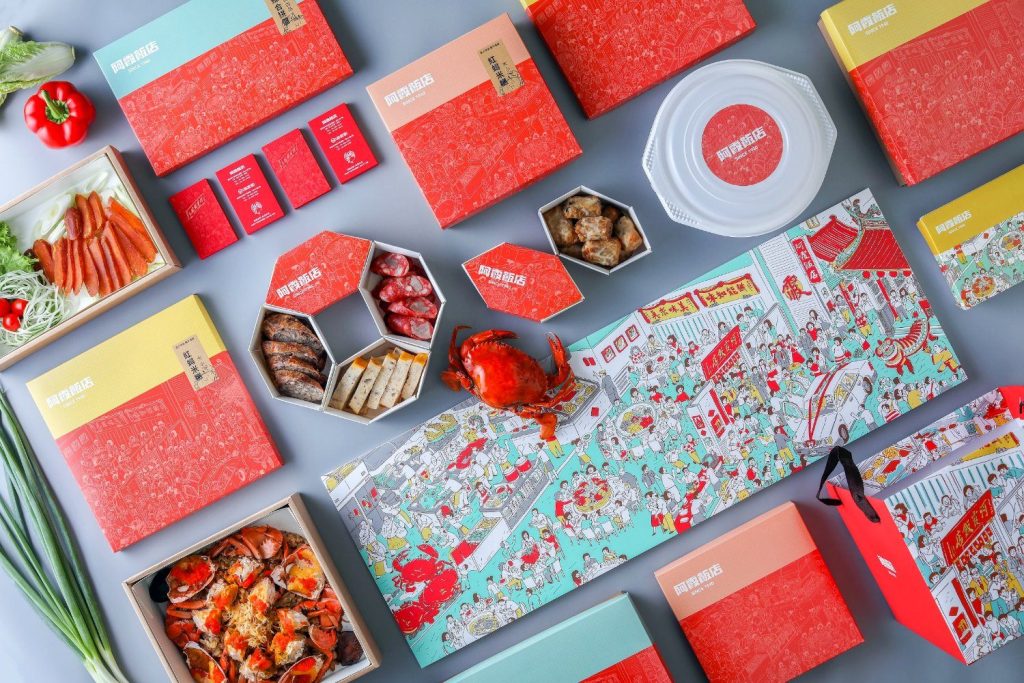
When choosing packaging colors, designers must consider the product type, target consumer group, and brand positioning to achieve both visual and psychological appeal. Furthermore, packaging colors are also influenced by materials, printing processes, and lighting effects. For instance, the visual difference between matte and glossy paper boxes is significant, and certain metallic or pearlescent effects can enhance the product’s premium feel, but this also increases costs. Colors must not only be aesthetically pleasing but also functional, standing out on the shelf.
Brand Positioning Guidance
Packaging colors are primarily guided by brand positioning. Different brands aim to convey different images, leading to significant differences in color choices.
High-end luxury brands: Typically use stable colors like black, gold, and dark blue to convey a sense of prestige.
Young and trendy brands: Prefer bright and vibrant colors such as pink, orange, and bright yellow to create a lively atmosphere.
Health and environmentally friendly brands: Green and light brown are often used to convey natural and environmentally friendly concepts.
By matching color with brand positioning, consumers can quickly visually identify the product type and its value attributes, which is the primary principle of color design.
Product attribute selection
The attributes of the product itself also determine the choice of packaging colors.
Food: Passionate reds and oranges are often used for snacks and beverages because these colors stimulate appetite.
Electronic products: Blue and silver convey a sense of technology and futurism.
Cosmetics: Soft colors such as light pink, beige, and purple are more in line with female aesthetics.
The alignment of color with product attributes not only enhances aesthetics but also creates a sense of identification for consumers, thereby promoting purchasing decisions.
Consumer Psychology Impact
One of the most important roles of color in packaging is psychological suggestion. Different colors evoke different emotional responses, and consumer psychology must be fully considered during design.
Red: Stimulates the senses, increases impulse to buy, often used for promotional products.
Blue: Gives a sense of trust and security, suitable for financial or technology product packaging.
Yellow: Lively and eye-catching, easily attracting the attention of children and young people.
Green: Conveys concepts of nature and health, suitable for organic foods and environmentally friendly products.
By applying color psychology appropriately, packaging can subtly guide consumer behavior.
Cultural and Regional Factors
Different regions and cultures have significantly different understandings of color; therefore, international packaging design must consider cultural factors.
Chinese Market: Red symbolizes good fortune, gold represents wealth.
Western Countries: White is often used to express purity and simplicity, black emphasizes luxury and mystery.
Middle East: Green is often associated with religious beliefs.
Understanding cultural differences can avoid cognitive conflicts in packaging colors and enhance cross-cultural brand recognition.
Printing Materials and Processes Impact
The materials and printing processes of packaging boxes directly affect color presentation.
Matte paper boxes: Soft colors, non-reflective, suitable for high-end, sophisticated products.
Glossy paper boxes: Vibrant colors, strong visual impact, suitable for fast-moving consumer goods (FMCG).
Metallic and pearlescent effects: Can add a sense of luxury, but high production costs, suitable for gift packaging.
Color design must be combined with materials and processes to ensure the final effect matches the design intent.
Environmental and Display Factors
The choice of packaging colors also considers the sales environment and display method.
Supermarket shelves: Requires bright colors to stand out and facilitate quick consumer identification.
High-end specialty stores: Colors need to coordinate with the overall display style and reflect a unified brand tone.
Online display: Colors displayed on screen may differ from the actual product, requiring calibration during the design phase.
Environmental adaptability ensures that packaging achieves optimal visual effects in different scenarios.
From brand positioning, product attributes, consumer psychology, and cultural background, to materials, processes, and display environment, every aspect can influence the choice and presentation of colors. The appropriate use of color design can not only enhance the visual appeal of products but also strengthen consumers’ brand recognition and trust. Designers need to balance artistry and practicality, finding a equilibrium in visual impact, psychological suggestion, and cultural resonance. Furthermore, modern packaging color design emphasizes differentiation and personalization, using unique color schemes to make products stand out from the crowd. For example, some high-end chocolate brands use dark colors and gold to convey a sense of luxury, while children’s snacks use bright colors and cartoon elements to enhance fun and appeal. The scientific and strategic nature of color design transforms packaging from merely a product shell into a crucial bridge for communication between the brand and consumers. Every color choice carries the brand’s personality, the product’s characteristics, and the consumer’s psychological expectations.

