
Electronic Box Printing Knowledge and Structural Strength Analysis

Electronic products face higher demands on packaging during transportation, warehousing, and sales display. Electronic boxes not only protect the product but also directly impact the user’s first impression of the brand. Reasonable printing design and structural planning can enhance the packaging’s pressure resistance while ensuring visual appeal, allowing it to remain stable and intact in complex environments.
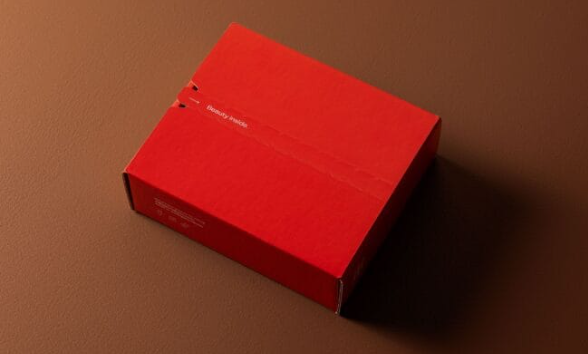
Analysis of Common Printing Processes for Electronic Boxes
Electronic box production typically employs a combination of printing processes to achieve rich visual expression. Offset printing is a widely used method, offering strong advantages in color reproduction and detail rendering, suitable for complex packaging designs. Flexographic printing is more suitable for mass production and has certain advantages in cost control, while digital printing is suitable for small-batch customization needs. In post-processing, lamination, hot stamping, and spot varnishing are often combined. These treatments enhance the packaging’s texture and grade while improving surface abrasion resistance. Different processes need to be rationally combined to ensure both visual appeal and material characteristics, avoiding any impact on subsequent processing.
Types and Application Characteristics of Color Box Structures
The structural design of electronic color boxes directly affects user experience and protective performance. Common structures include slot-type, top-and-bottom-lid, flip-top, and drawer-type. Slot-type structures are simple to manufacture, suitable for mass production, and are often used for packaging lightweight electronic products. Top-and-bottom-lid structures offer a more ceremonial feel when opening the box and are commonly seen in mid-to-high-end products. Flip-top designs are more convenient to open and suitable for frequently used products, while drawer-type structures offer a more layered look and function. Structural design must consider not only appearance but also product size and weight to ensure it can withstand external pressure during transportation and provide good protection.
Key Factors Affecting the Structural Strength of Color Boxes
The structural strength of electronic color boxes is determined by multiple factors. In actual design and production, the following aspects need to be emphasized:
- Selection of Cardboard Material and Thickness
Common materials include white cardboard, grey board, and corrugated paper. Different materials have different hardness and compressive strength. Increasing the thickness can usually improve the overall load-bearing capacity.
- Structural Design and Stress Distribution
A reasonable structure can effectively disperse external pressure, avoiding deformation caused by single-point stress, thereby improving overall stability.
- Crease and Die-cutting Accuracy
Uneven creases or die-cutting deviations during processing will affect the structural integrity after folding, making it prone to damage at critical locations.
- Adhesion Process and Firmness
The quality of adhesion directly affects the overall stability of the packaging. If the adhesion is weak, cracking or loosening is likely to occur during transportation.
These factors interact to jointly determine the pressure resistance and durability of the color box in actual use.
The Influence of Printing Process on Structural Strength
While improving the appearance, the printing process also has a certain impact on the performance of the cardboard. Lamination can enhance surface abrasion resistance, but may reduce the flexibility of the material, making it prone to cracking at folded locations. Local varnishing can enhance visual appeal, but if the treatment area is too large, it may make the paper locally brittle. When the ink coverage area is high, it will affect the air permeability and extensibility of the cardboard, making it more prone to cracking in the crease area. Therefore, a balance between visual appeal and structural performance is necessary during the design process. This involves rationally controlling process parameters to minimize adverse effects on strength.
Optimization Strategies for Enhancing the Strength of Electronic Boxes
In actual design and production, the structural strength of boxes can be improved in various ways. For example, adding double-layer structures or reinforcing designs at key stress points can effectively improve compressive strength. Appropriately configuring inner lining materials, such as paper trays or cushioning materials, helps disperse external impacts and protect the internal product. Controlling the process combination during the printing stage and avoiding over-processing of the cardboard surface can maintain the material’s flexibility. Improving processing precision during production, ensuring the stability of creases, die-cutting, and bonding, can also reduce structural weaknesses caused by process issues. Through system optimization, packaging can achieve higher durability while maintaining a good appearance.
The printing and structural design of electronic boxes need to consider both aesthetics and practicality. Scientific material selection, rational structural planning, and optimized processing techniques can significantly improve overall strength performance. Good packaging not only protects the product but also enhances brand image, playing a more important role in market competition.

