
E-commerce Packaging Printing Knowledge and Unboxing Experience Design

In the e-commerce industry, packaging not only protects products but also directly impacts consumers’ purchasing experience and brand image. Exquisite packaging design enhances user satisfaction, while reasonable printing processes and unboxing designs can elevate the product’s perceived quality and ease of use. By scientifically planning packaging materials, printing methods, and unboxing structures, both protection and user experience can be optimized, building a stronger market competitiveness for the brand.
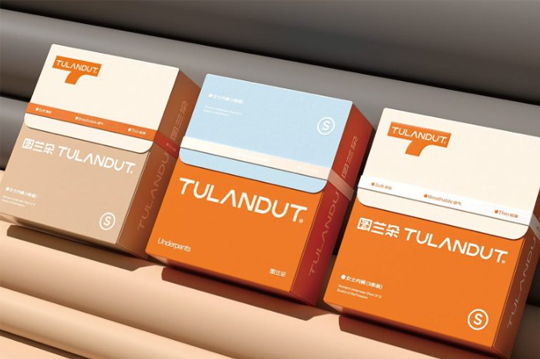
Commonly Used Printing Processes and Characteristics for E-commerce Packaging
E-commerce packaging utilizes diverse printing processes, each with significant differences in visual effects and durability. Offset printing is suitable for high-quality color patterns and fine details, enabling gradient colors and rich layering, and is often used for high-end product packaging. Flexographic printing offers high production efficiency and is suitable for large-volume orders, but its color reproduction is slightly lower than offset printing. Digital printing can meet small-batch, customized needs, offering high flexibility and suitability for personalized packaging. To enhance texture and durability, packaging designs often incorporate lamination, spot UV coating, hot stamping, or embossing. These post-processing techniques not only improve visual appeal but also enhance the durability and tactile experience of the packaging surface.
The Role of Packaging Structure Design in the Unboxing Experience
Packaging structure design directly impacts the consumer’s unboxing experience and ease of use. Common structural types include top-and-bottom lids, drawer-style, flip-top, and snap-fit designs. Each structure offers different advantages in terms of tactile feel, unpacking method, and display effect. Top-and-bottom lids are simple and elegant, suitable for high-end electronic products, creating a sense of occasion when unboxing; drawer-style structures offer clear compartments for convenient storage; flip-top structures offer flexible opening, suitable for frequently used products; snap-fit structures are low-cost to produce, suitable for lightweight products and large-volume shipments. A well-designed structure not only protects the product but also improves the consumer’s unboxing experience and brand affinity.
Optimizing the Experience by Combining Printing Technology with Structure
In e-commerce packaging design, printing technology and structure need to be coordinated to enhance the overall experience. High-saturation printing processes can create visual focal points on the packaging surface, guiding consumer attention. Combined with materials that feel smooth to the touch and a well-designed folding system, this allows for a smooth and natural unpacking process. Special processes such as spot UV coating, embossing, or hot stamping should be placed in the unpacking area and at visual focal points to enhance the user’s tactile and visual experience. Overuse of these processes can lead to cardboard hardening or noticeable creases; therefore, a balance between aesthetics and practicality must be struck during the design phase.
Key Elements of Unpacking Experience Design
Unpacking experience design not only focuses on appearance but also on ease of operation and structural safety. Key points include:
- Ease of opening: The packaging should be designed with a reasonable opening method to prevent consumers from forcibly opening it with scissors or knives.
- Cushioning and protection: The interior should contain appropriate cushioning materials, such as EVA, foam, or paper trays, to protect the product from damage during transportation.
- Visual and tactile guidance: A well-arranged layout of patterns and text prompts guides users to open the packaging according to the designed process, enhancing the sense of ritual.
- Partitioned design: For products with many accessories, the internal structure should be rationally partitioned for easy access and organization by the user.
Optimizing these elements can enhance the unboxing experience while ensuring product safety.
The Impact of Packaging Materials on Printing Results and User Experience
Packaging materials play a fundamental role in print quality and the unboxing experience. High-quality white cardboard or coated paper can deliver delicate colors and a high-gloss finish, suitable for e-commerce products that prioritize visual appeal. Corrugated cardboard and grey board are thick and durable, suitable for logistics transportation with high protection requirements, while also considering user experience through well-designed opening paths. Material selection should be comprehensively considered in conjunction with printing processes and structural design to ensure both aesthetics and safety.
The printing process, material selection, and opening structure design of e-commerce packaging are closely related, jointly determining the user’s unboxing experience and brand image. By rationally selecting printing methods, optimizing structural design, and focusing on user operability, both aesthetic appeal and functionality of the packaging can be achieved. Scientifically planned packaging design not only protects product safety but also improves consumer satisfaction, winning brand reputation and market competitiveness.

