
Is the Custom Packaging Production Cycle Long?

When planning product packaging, many companies face a practical concern: will the custom packaging production cycle slow down the overall project timeline? Compared to off-the-shelf options, custom packaging indeed involves additional stages—such as design, prototyping, and production—but this does not necessarily mean the process will be lengthy. In practice, the custom workflow typically progresses in phases, from design through to production; provided the process runs smoothly, the overall timeline remains controllable. Understanding the time required for each specific stage helps facilitate more rational project scheduling, ensuring that the packaging meets all requirements without disrupting the product’s market launch schedule.
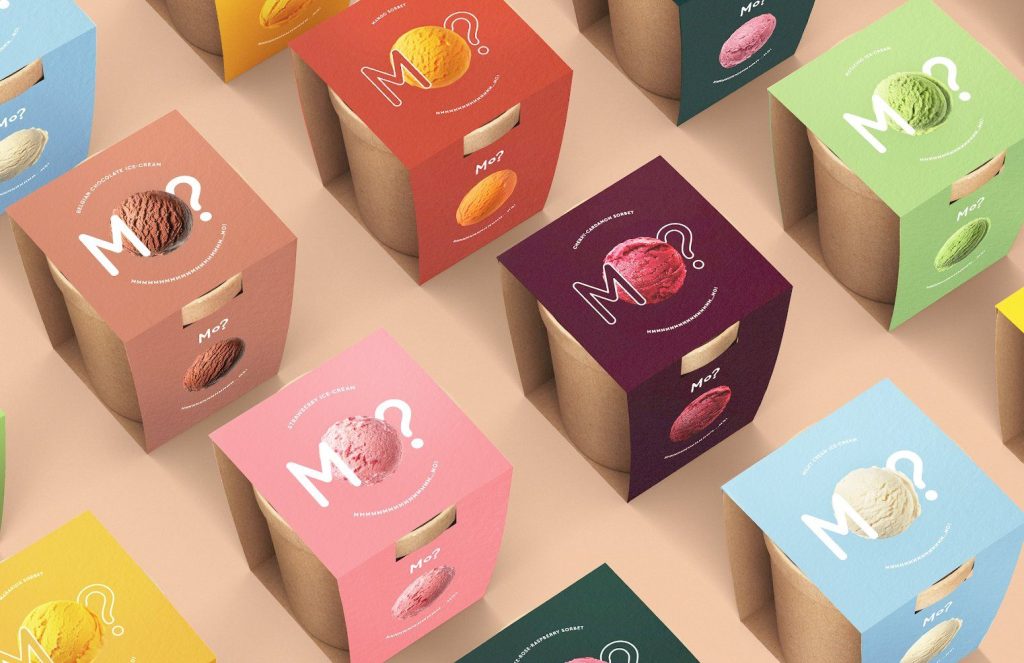
Design and Prototyping: Influencing the Initial Timeline
Custom packaging requires the completion of a design confirmation phase first—a critical stage in the process.
- Design Confirmation Takes Time: From structural design to the final approval of visual mockups, this stage typically involves iterative communication and adjustments.
- Prototyping Validates Results: Sample production generally takes a few days and serves to verify that the dimensions and manufacturing techniques align with expectations.
The smoother the design and prototyping phases proceed, the easier it becomes to control the overall production timeline.
The production cycle depends on the complexity level
Different packaging solutions entail varying production times.
- Simple Packaging is Faster: Basic packaging designs can typically be produced within just 7 to 15 business days.
- Complex Techniques Extend the Timeline: Packaging involving specialized finishes—such as hot stamping, embossing, or unique structural designs—will add complexity and time to the manufacturing process.
Planning rationally based on the complexity of the design can help avoid unnecessary delays.
Order quantity affects overall progress
The scale of production is another significant factor determining the timeline.
- Small Batches Offer Flexibility: For smaller order quantities, production scheduling can be arranged relatively quickly.
- Large Batches Require Scheduling: For larger orders, production resources must be coordinated, which will result in a correspondingly longer lead time.
Strategically planning order quantities helps strike a balance between production efficiency and cost-effectiveness.
Transportation and process integration impact delivery time
Once the packaging production is complete, logistics and shipping times must also be taken into account.
- Shipping Method Affects Speed: Local shipping is relatively fast, whereas international or cross-border shipping may add several weeks to the delivery time.
- Seamless Integration Drives Efficiency: Smooth coordination between the design, production, and logistics stages can significantly shorten the overall project timeline.
Optimizing process coordination ensures that the final delivery is both stable and reliable.
The production cycle for custom packaging is not a fixed constant; rather, it is influenced by a multitude of factors, including design complexity, order quantity, and shipping methods. In practical terms, standard custom packaging projects can often be completed within a few weeks, whereas more complex projects require a more substantial timeframe for planning and execution. By proactively preparing design proposals, clearly defining requirements, and selecting appropriate production methods, it is possible to effectively shorten lead times and enhance efficiency. Rationally scheduling milestones to ensure that packaging production aligns with the product launch timeline not only boosts overall operational efficiency but also enables the brand to project a more professional and stable image within the market.

