
How to Create a Visual Focal Point in Packaging Design?

In a consumer’s first impression, the visual focal point of the packaging is a crucial factor in determining their purchase intention. Whether it’s food, cosmetics, or electronics, an unattractive packaging box is easily overlooked on the shelf. A visual focal point is not just about aesthetics; it’s a core means of information delivery and brand building. A cleverly designed package can convey a product’s unique selling points to consumers in just a few seconds, allowing them to quickly choose your product among numerous others. The design of a visual focal point relies not only on color or patterns but also on overall layout, proportions, material usage, and information hierarchy. By using these design elements appropriately, you can guide the consumer’s attention to the most important parts, such as the product name, key features, or unique graphics. This design strategy not only enhances product recognition but also strengthens the brand image, leaving a lasting impression on consumers.
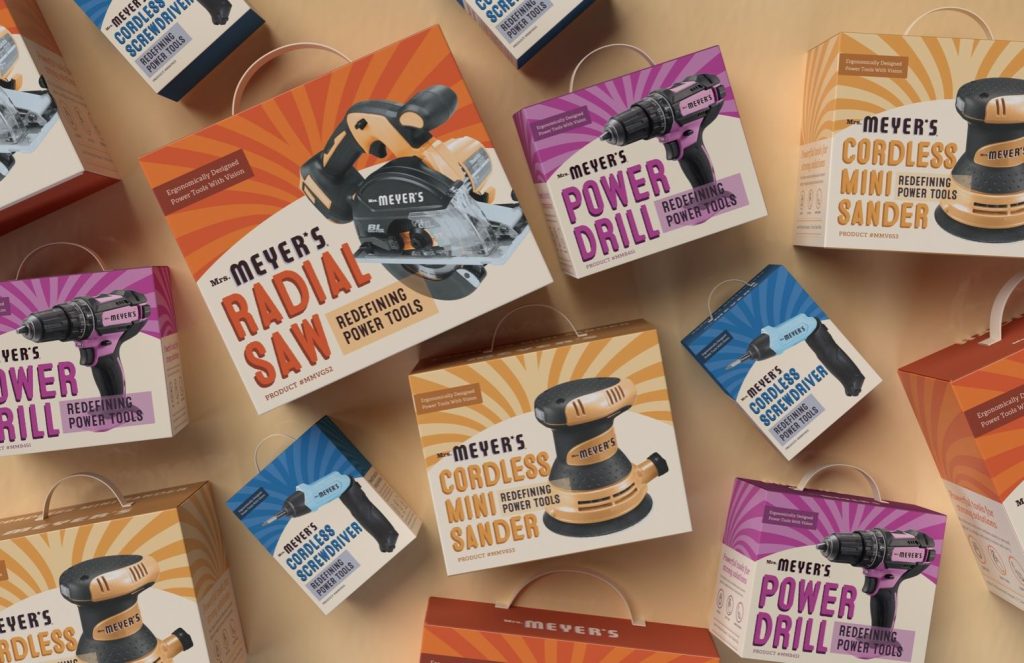
Practical Techniques for Creating a Visual Focal Point
· Highlight Core Information
Core information is the focus of packaging design, such as the product name, main functions, or unique selling points. By using larger fonts, contrasting colors, or special typography, consumers will notice the most important content at first glance. This ensures information delivery while creating a visual focal point.
· Clever Use of Color and Contrast
Strong color contrasts can instantly attract attention. For example, using dark fonts or patterns on a light background, or using contrasting colors among similar products, makes the packaging more eye-catching on the shelf. Color can also convey emotions and brand concepts; for example, red symbolizes passion, and green symbolizes natural health.
· Unique Shape and Structure Design
Irregular or innovative packaging shapes can naturally become visual focal points. Three-dimensionality, windowed designs, and irregularly shaped boxes can all pique consumer curiosity and further attract attention. For example, skincare packaging can be designed with curved or gradient structures, naturally focusing the visual center on the product itself.
· Images and Patterns Guiding the Eye
The direction of images and the layout of patterns can guide the consumer’s eye movement. For example, arrows, lines, or gradient textures can guide the eye to key areas, creating natural visual guidance and highlighting product features.
· Materials and Lighting Effects
By using materials with gloss, matte finish, or partial hot stamping, packaging can create a sense of depth under light, making the visual focus more prominent. When consumers touch and observe packaging, they pay more attention to high-quality parts, thus enhancing the perceived brand value.
Making the Visual Focus More Prominent
Comparing two types of packaging side-by-side clearly demonstrates the importance of a visual focus. Ordinary packaging designs may present information in a flat, monochromatic way, making it difficult for consumers to immediately grasp the key points. However, packaging with a cleverly designed visual focus highlights core information or images, using color contrast and layout to guide the eye and naturally focus the consumer’s attention on the product’s selling points. For example, a typical skincare product box might only have a simple printed design, while a high-end product might use gold lettering, glossy details, or a transparent window design, immediately drawing the consumer’s attention to the brand name or product efficacy. This contrast not only enhances visual appeal but also makes the product stand out on the shelf.
Frequently Asked Questions
Q: Is a more prominent visual focus always better?
A: Not necessarily. Overemphasizing it can make the packaging appear cluttered and reduce its overall aesthetic appeal. The key is to highlight the most important information while maintaining overall harmony and brand style.
Q: How to create a visual focus in a limited space? A: You can use contrasting colors, font sizes, special materials, or patterns to guide consumers’ attention to key areas without occupying the entire packaging surface.
Q: Does visual focus influence consumer purchasing decisions?
A: Yes. Research shows that visual focus helps consumers quickly understand product features, enhances memory, and thus increases purchase desire and brand awareness.
The Importance of Details
Even small details like foil stamping, embossing, transparent windows, or openings can create subtle visual appeal, naturally drawing consumers’ attention to product highlights when observing the packaging. Clever use of details can enrich the overall design, add depth, and enhance the unboxing experience, making the visual focus more impactful.
Creating a visual focus is one of the most crucial aspects of packaging design. It guides consumer attention and highlights the product’s most important selling points through various methods such as color, shape, material, pattern, and information layout. An effective visual focus not only makes a product stand out on the shelf but also enhances consumer brand awareness and favorability, thereby increasing purchase intent. The visual focus should be consistent with the brand style while balancing information delivery and aesthetic experience. Through contrast, material craftsmanship, color application, and detailed design, packaging not only attracts attention but also enhances the product’s perceived value on tactile and psychological levels. Every time a consumer’s gaze lingers, it’s an opportunity for the visual focal point to play its role, making the packaging the product’s best spokesperson. The design of a visual focal point is, in essence, a creative expression from the consumer’s perspective. A successful visual focal point design can instantly allow consumers to recognize product features, experience brand appeal, and build trust and goodwill. Well-crafted packaging not only carries the product but also provides consumers with a pleasant experience with every encounter, thus forming a deep brand memory and purchase inclination.

