
The Core Focus of Packaging Design

In the modern market, packaging design is no longer just about protecting the product’s exterior; it’s a crucial tool for brand communication and sales conversion. Faced with a dazzling array of goods, consumers often make an initial judgment within seconds, and packaging is a key factor in this decision. Excellent packaging design can attract attention immediately, convey product information, and stimulate purchasing desire. Therefore, understanding the key aspects of packaging design is crucial for enhancing product competitiveness.
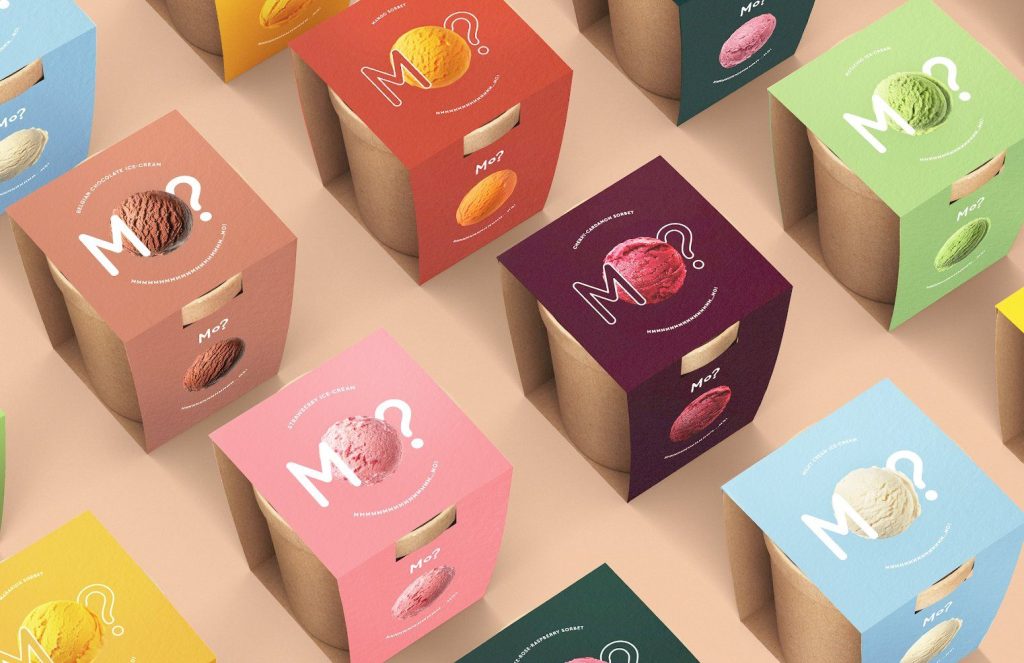
Packaging design involves multiple aspects, including visual presentation, structural design, information delivery, and user experience. Each element directly impacts consumer perception of the product. For example, color and patterns determine the first impression, textual information helps consumers quickly understand product functions, and structural design relates to ease of use and protective effectiveness. If these elements are not well-coordinated, the overall effect will be compromised. Therefore, packaging design requires not only creativity but also comprehensive thinking. Designers need to start from the consumer’s perspective, combining product characteristics, brand positioning, and market demand to create packaging that is both aesthetically pleasing and practical.
Key Elements of Packaging Design
· Visual Appeal The primary task of packaging is to attract attention
Through color matching, pattern design, and overall style, the product stands out on the shelf. 1. Visually impactful packaging is more easily remembered by consumers.
· Clear Information Delivery
Packaging needs to convey key information, such as product name, function, and selling points, within a limited space. Text should be concise and clear, highlighting key points and avoiding information overload that can cause confusion.
· Structure and Usability
Packaging should not only be aesthetically pleasing but also functional. A well-designed structure facilitates opening, storage, and carrying while protecting the product from damage.
· Brand Consistency
Packaging design should maintain consistency with the brand image, including colors, fonts, and style. This enhances brand recognition and makes the product easier for consumers to remember.
· Material and Process Selection
Different materials and processes affect the texture and cost of packaging. For example, environmentally friendly materials can enhance brand image, while special processes such as hot stamping or embossing can enhance a sense of luxury.
· User Experience
The entire process, from unpacking to use, is part of the packaging design. A good experience can increase consumer satisfaction and even lead to secondary word-of-mouth marketing.
The Difference Between Excellent and Ordinary Design
An ordinary packaging design often simply displays information, lacking focus and hierarchy. Consumers may not have a strong impression of such packaging, nor is it likely to stimulate their interest in purchasing. Excellent packaging design, on the other hand, creates a visual focal point, clearly expresses information, and is structurally user-friendly. For example, a well-designed package allows consumers to immediately see the core selling point and feels smooth and pleasant when opening it. This experience makes the product more attractive and easier to remember. Through comparison, it can be seen that the focus of packaging design is not only on aesthetics, but also on overall harmony and user experience.
Related Questions and Answers
Q: What is the most important aspect of packaging design?
A: The most important aspect is meeting consumer needs. It should be eye-catching, allow people to quickly understand the product, and provide convenience during use.
Q: Is more complex packaging always better?
A: Not necessarily. Overly complex designs may increase costs and negatively impact the user experience. Simple and focused designs are more likely to succeed.
Q: How do I judge whether a packaging design is successful? A: Market feedback can be used to determine this, such as consumer willingness to buy, brand recall, and user experience.
Special Considerations
In packaging design, details often determine success or failure. For example, font selection, pattern layout, color matching, and opening methods can all influence consumer perception. A seemingly simple adjustment, such as increasing white space or optimizing text spacing, can make the overall design more comfortable and professional.
Packaging design should start with product attributes, combined with brand positioning and market demand, to rationally arrange various design elements. Continuously optimizing details can make packaging more refined and attractive. Packaging design is not simply decoration, but a crucial bridge between the product and the consumer. The focus of packaging design is to make the product easier to see, understand, and accept. Clear information delivery, good visual effects, and a comfortable user experience can give a product a competitive edge. Only by designing with care in every aspect can the true value of packaging be realized, enabling the product to perform better in the market.

