
Basic Principles of Packaging Design Layout

In packaging design, layout is one of the key elements determining the effectiveness of visual communication. No matter how complex the packaging structure or how exquisite the craftsmanship, a chaotic layout will prevent consumers from quickly acquiring useful information. Layout is not merely the arrangement of text and images; it is a way of organizing visual logic, determining the hierarchy of information, the reading order, and the overall aesthetic appeal. Packaging layout needs to balance aesthetics and functionality. On the one hand, it must attract consumers’ attention and make the product stand out on the shelf; on the other hand, it must clearly convey product information, such as name, function, ingredients, or usage instructions.
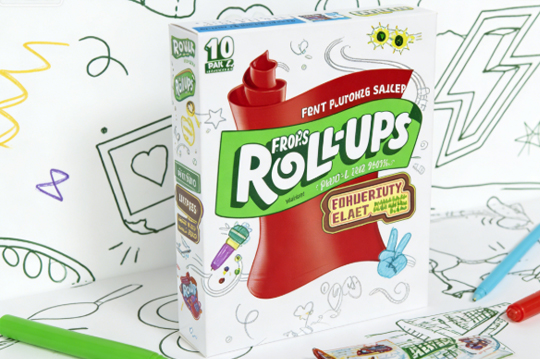
If the layout lacks logic, consumers may not understand the product in a short time, thus reducing their willingness to purchase. Therefore, layout design is not only an aesthetic issue but also an important tool for business communication. Furthermore, packaging layout also needs to consider different materials, printing processes, and space constraints. For example, small-sized packaging requires a more compact information layout, while large-sized packaging can appropriately increase visual hierarchy. Only by comprehensively considering these factors can a reasonable and efficient layout structure be formed, thereby enhancing the overall professionalism and market competitiveness of the packaging.
Core Principles of Packaging Layout
· Clear Information Hierarchy Principle
The most important aspect of packaging layout is establishing a clear information hierarchy. This generally includes three levels: main title, subtitle, and supplementary information. The main title attracts attention, such as the brand name or the product’s core selling points; the subtitle supplements product functions; and supplementary information includes detailed information such as ingredients and specifications. Through hierarchical division, consumers can quickly obtain key information without feeling confused.
· Visual Center Balance Principle
Layout needs a clear visual center, usually achieved through font size, color contrast, or graphic placement. Too many visual centers should be avoided, as they can lead to distraction. A reasonable visual center guides the consumer’s eye, naturally focusing on the core information and improving reading efficiency.
· Effective Use of White Space Principle
White space is a crucial element in layout. Appropriate white space enhances the overall design’s sense of breathing room, making information clearer. Overly crowded layouts create a feeling of oppression for consumers, reducing reading interest. Reasonable white space also enhances the prominence of key content, making the design more sophisticated and concise.
· Font Consistency and Contrast Principles
In packaging layout, the number of fonts should be limited, generally to 2-3. Contrast in font weight, size, or style can highlight key information while maintaining overall consistency. Using too many fonts can lead to visual clutter and negatively impact brand professionalism.
· Alignment and Structural Consistency Principles
All text and graphics should follow consistent alignment rules, such as left alignment, center alignment, or grid alignment. Structural consistency enhances the overall sense of order and makes the packaging look cleaner and more professional. Chaotic alignment makes the design appear disorganized and negatively affects the visual experience.
· Readability Priority Principles
The core goal of packaging design is to enable consumers to quickly understand the product; therefore, readability must be prioritized. Font size, color contrast, and background distractions all need to be controlled to ensure clear readability in various environments.
· Difference Between Standard and Chaotic Layouts
Standardized packaging layouts typically have a clear hierarchical structure and a stable visual rhythm, allowing consumers to quickly identify the brand name, product functions, and key information. This type of layout not only improves reading efficiency but also enhances brand professionalism and makes the product more trustworthy. Disorganized layouts lack logic, are cluttered with information, and have an unclear visual focus. Consumers need more time to understand the content and may even ignore the product altogether. This not only affects sales conversion but also weakens brand image. A comparison reveals that layout not only impacts visual appeal but also directly influences the consumer decision-making process.
Frequently Asked Questions (FAQ)
Q: Is more information on packaging better?
A: No. Information should be concise, highlighting key points and avoiding excessive piling up that causes reading difficulties.
Q: Can I use multiple fonts?
A: Yes, but it’s recommended to limit it to 2-3 fonts to maintain consistency.
Q: Isn’t white space a waste of space?
A: No. White space enhances hierarchy and improves readability; it’s an important design technique.
Q: Should the layout consider printing quality?
A: Yes. Different papers and printing processes affect visual effects, so testing beforehand is essential.
In packaging layout, some details often determine the final effect. For example, whether the text spacing is even, the line spacing is reasonable, and the proportion of text and images is harmonious. These seemingly minor details directly impact the overall visual experience. Excellent typography not only boasts a clear structure but also maintains a high degree of consistency and precision in its details, thereby enhancing the overall sense of quality.
The fundamental principle of packaging design typography is essentially a combination of information organization and visual expression. Clear information hierarchy, a reasonable visual focus, appropriate white space, and consistent fonts and structures make packaging more readable and professional. Typography is not only an aesthetic issue but also a user experience issue. A reasonable typography helps consumers quickly understand the product, improves purchasing efficiency, and enhances brand trust. Conversely, a chaotic typography reduces information delivery efficiency and negatively impacts overall sales performance. Furthermore, typography design needs to be adjusted based on product type, target audience, and usage scenario. For example, high-end products tend to have simple typography, while children’s products prefer a more lively layout; different strategies correspond to different visual expressions. Packaging typography is a crucial bridge connecting products and consumers. Only by continuously optimizing details while adhering to basic principles can packaging achieve ideal results in both visual appeal and functionality, thereby enhancing overall market competitiveness.

