
Jewelry Box Printing Knowledge and Scratch Protection

Jewelry boxes not only serve as packaging and protection in the jewelry and gift industry, but also directly impact the overall product quality and brand image. A proper combination of printing processes and scratch-resistant protection technologies can enhance the packaging’s appearance and extend its lifespan, ensuring the product remains in good condition during transportation and display.
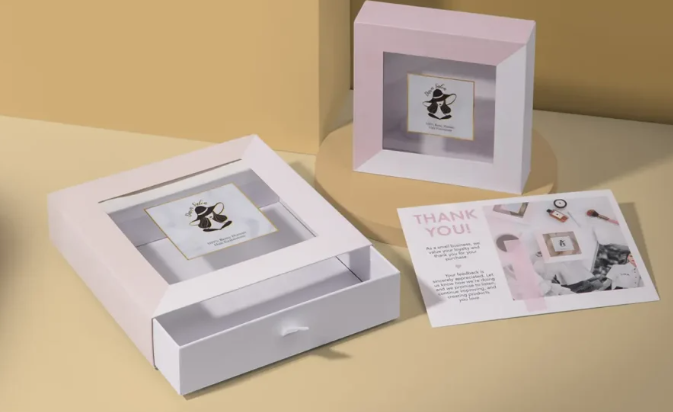
Box Structure and Basic Printing Processes
Jewelry boxes typically use cardboard or high-strength cardboard as the main material to ensure a stable overall structure. The printing process mainly includes offset printing and digital printing, each with its own characteristics in color expression and detail presentation. High-precision printing ensures clear edges and natural color transitions, giving the packaging a more premium feel. During the design phase, color matching and brand positioning need to be considered to ensure visual consistency with product attributes.
The Role of Surface Treatment Processes in Enhancing Texture
To improve the visual appeal and tactile experience of jewelry boxes, various surface treatments are typically employed. These processes not only improve the appearance but also enhance protective performance to a certain extent. Common processing methods include:
- Lamination: Forms a protective layer on the surface, improving wear resistance and moisture resistance.
- Hot stamping (gold and silver): Enhances the gloss effect, making the packaging more luxurious.
- Embossing: Increases the three-dimensional feel and improves visual depth.
- Spot UV coating: Strengthens local patterns, making key designs stand out.
The combination of these processes can significantly improve the overall grade and visual appeal.
Application of Scratch-Resistant Protection Technology in Packaging
Jewelry boxes are easily affected by friction and scratches during transportation, stacking, and display, therefore scratch protection is particularly important. Common scratch-resistant methods include high-wear-resistant lamination, matte protective layers, and special coating treatments. These technologies can form a protective film on the surface of the box, reducing direct damage to the printed layer from external forces. In high-end jewelry packaging, anti-fingerprint coatings are also used to keep the surface clean and tidy for a long time, improving the display effect.
Common Scratch-Resistant Materials and Applications
In actual production, scratch resistance can be improved through different combinations of materials and processes:
- BOPP glossy or matte film: Provides a basic protective layer, reducing daily wear.
- Water-based scratch-resistant coating: Improves surface hardness while maintaining environmental friendliness.
- UV-cured coating: Enhances scratch resistance and chemical corrosion resistance.
- Composite paper structure: Improves overall durability through multi-layer material stacking.
A reasonable selection of material combinations can achieve a balance between cost and effectiveness.
Printing Quality Control and Durability Assurance
In the production of jewelry boxes and color boxes, printing quality directly affects the scratch resistance and overall aesthetics. Insufficient ink adhesion can lead to easy surface peeling, while unstable colors affect brand visual consistency. Therefore, in the production process, it is necessary to strictly control printing pressure, drying time, and coating adhesion. Simultaneously, abrasion and scratch tests can be used to assess the durability of the packaging in actual use, ensuring that the product meets the demands of the high-end market.
Jewelry box printing and scratch-resistant protection technologies complement each other. By appropriately selecting printing processes and surface treatments, packaging quality and lifespan can be effectively improved. In the high-end consumer market, packaging with excellent visual appeal and wear resistance further enhances brand value and product competitiveness.

