
Jewelry Box Packaging Printing Knowledge and Lining Matching

Jewelry boxes not only protect jewelry but also play a crucial role in brand display and product premiumization. The appropriate matching of printing techniques and linings directly impacts the overall visual effect and user experience. Proper design can enhance the packaging’s quality and increase the product’s added value.
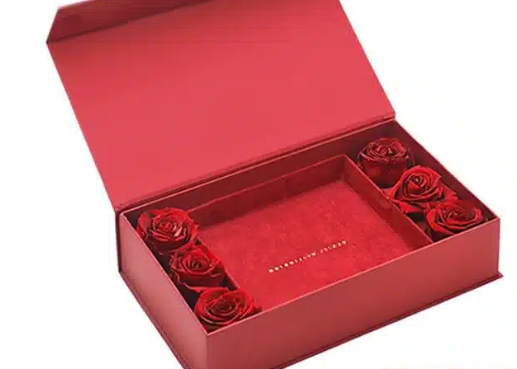
Basic Types of Packaging Box Printing Techniques
Common printing techniques for jewelry boxes include offset printing, screen printing, and hot stamping. Offset printing is suitable for mass production and can present delicate patterns and rich color gradations; screen printing offers a more three-dimensional effect in detailed patterns; hot stamping is often used for brand logos or decorative lines to enhance the overall sense of luxury. Combining different techniques can make the packaging box more visually appealing and strengthen brand recognition.
The Impact of Material Selection on Printing Results
The material of the packaging box directly affects the printed result. Common materials include grey board paper, specialty paper, and rigid cardboard. Smooth surfaces are better suited for displaying intricate patterns and gradient colors, while textured paper is more suitable for minimalist designs. When selecting materials, it’s essential to consider the product positioning and design style to ensure the printing effect matches the overall packaging, thereby enhancing visual harmony.
Matching Inner Lining Materials with Functions
The inner lining plays a crucial role in securing and protecting the jewelry box, while also influencing the overall appearance. Common lining materials include sponge, flocked fabric, and EVA. Sponge offers excellent cushioning, suitable for protecting delicate jewelry; flocked fabric has a soft surface and a more luxurious visual effect; EVA material has a stable structure, suitable for designs requiring shape retention. Appropriate selection of lining materials can improve the jewelry’s display effect and enhance the user experience.
Key Points for Coordinating Print Design and Inner Lining
In the actual design process, the printing and lining need to maintain stylistic consistency. Color matching should harmonize with the lining color to avoid visual conflict. High-end jewelry typically uses dark linings paired with metallic printing to highlight product value; minimalist styles are better suited to lighter colors for a cleaner and fresher look. In terms of structural design, the shape of the lining should match the structure of the jewelry to prevent loosening or compression.
Common Manufacturing Processes and Detail Treatment
During the manufacturing process, several details can affect the final result. Die-cutting precision determines the fit between the lining and the box body; the choice of adhesive affects the stability of the lining; surface lamination can improve the packaging box’s wear resistance and moisture resistance. In the later stages of printing, partial UV coating or embossing can be added to make the design more three-dimensional and prominent. Optimizing these details can significantly enhance the overall quality.
The printing process and lining combination of the jewelry box determine the product’s visual appeal and protective performance. By rationally designing materials, processes, and structures, the overall texture can be improved, ensuring the packaging not only has practical functions but also reflects brand value and product quality.

