
Design Methods for Dynamic Packaging Layouts

In packaging design, dynamism is a visual expression that can quickly attract consumers’ attention. Compared to traditional static layouts, dynamic layouts are more rhythmic and varied, creating a stronger visual impact on the shelf. Dynamics do not mean clutter or complexity, but rather introducing variation within an orderly structure, allowing the eye to “flow” and “direction,” thereby enhancing the packaging’s expressiveness. Dynamic layouts are commonly found in youth-oriented brands, sports products, or creative goods. These designs typically use tilted layouts, asymmetrical structures, and rhythmic variations to create a sense of “things happening.” When consumers see such packaging, their eyes naturally move, resulting in a stronger sense of engagement and memorability.
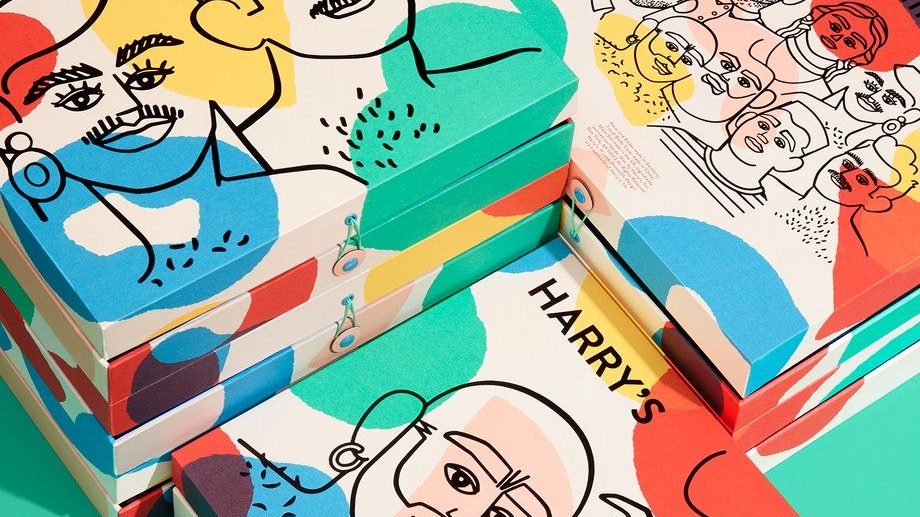
Design Methods for Dynamic Layouts
· Breaking Symmetry
Traditional symmetrical layouts tend to produce a stable but static visual effect, while dynamic layouts often break this balance through asymmetrical design. For example, shifting the main title, tilting graphics, or misaligning elements makes the image more dynamic.
· Introducing Visual Direction Lines
Use lines, graphics, or text to create visual pathways, guiding the viewer’s eye in a specific direction. For example, moving from the bottom left to the top right creates an upward trend, enhancing dynamism.
· Using Tilted and Rotated Elements
Slightly tilting or rotating elements can create a sense of movement. However, the angle needs to be controlled to avoid excessive tilting that makes reading difficult.
· Rhythm and Hierarchical Variation
Create visual rhythm through size contrast, spacing variations, and hierarchical differences. For example, a large title paired with small elements creates a strong contrast, making the image more rhythmic.
· Interlaced Image and Text Combinations
Arranging images and text alternately, rather than simply vertically, enhances the sense of space and dynamism, making the layout more dynamic.
· Color Contrast to Enhance Dynamics
Using high-contrast colors or gradients enhances visual impact, making the image more vibrant. For example, contrasts between warm and cool colors or variations in brightness can improve dynamic expression.
· Using Color Contrast to Enhance Dynamics
Use high-contrast colors or gradients to enhance visual impact and make the image more dynamic.
The Difference Between Dynamic and Static Layouts
Static layouts typically employ symmetrical structures, centered placement, and even distribution, resulting in visual stability and ease of reading, suitable for high-end or rational products. However, this approach is relatively weak in visual appeal and may not easily capture consumer attention quickly. Dynamic layouts, on the other hand, use irregular layouts and visual guidance to make the image more dynamic and varied. Consumers’ eyes follow the flow of the layout, creating a deeper impression. However, if poorly designed, it can cause information confusion and affect comprehension. Therefore, the core difference between the two lies in “stability” versus “variation.” Dynamic layouts emphasize visual impact, while static layouts emphasize order and clarity.
Frequently Asked Questions
Q: Are dynamic layouts suitable for all products?
A: Not necessarily. They are more suitable for youthful, sporty, or creative products. High-end or serious products should use them with caution.
Q: Will tilted elements affect readability?
A: Moderately, no, but excessive or too large angles will affect readability and need to be controlled.
Q: How to avoid dynamic designs becoming cluttered?
A: Establish a basic structure and maintain consistency amidst changes, such as consistent alignment or color rules. Q: Does dynamic layout require more design elements?
A: Not necessarily. The key is the layout method, not the number of elements.
How to make dynamic packaging design more natural?
In dynamic layout design, attention to detail is paramount. For example, is there rhythmic variation in the spacing between elements, a consistent tilt angle, and a smooth visual path? These details determine whether the dynamism flows naturally or appears chaotic. An excellent dynamic design should allow the viewer to visually browse without realizing it, rather than feeling difficulty reading.
The design of dynamic packaging layout structures essentially introduces variation into a stable structure. By breaking symmetry, establishing visual paths, using tilted elements, and enhancing rhythm, packaging can be made more attractive and expressive. Through reasonable layout and detail optimization, dynamic design can be both aesthetically pleasing and practical. Furthermore, dynamic layout is not simply about “movement,” but a directional and rhythmic visual expression. Only with a clear structure can the dynamic effect truly be effective. Dynamic design is an important means of enhancing packaging appeal. By scientifically applying design methods, packaging can be made more visually appealing, thereby enhancing the product’s competitiveness in the market while maintaining the clarity and effectiveness of information delivery.

