
How Does Market Positioning Influence Packaging Design?

In product development and brand building, market positioning is often the most fundamental and crucial step, and packaging design is the most direct external manifestation of this positioning. Market positioning refers to a company’s clear definition of its product’s place in the market based on its target consumer group, price range, brand style, and competitive environment. Different positioning directly influences packaging in many aspects, including visual style, material selection, information expression, and functional design. If the positioning is unclear, even the most exquisite packaging design will struggle to impress the target consumers and may even cause confusion. For example, high-end products need to convey a sense of quality and trust through packaging, while mass-market products emphasize cost-effectiveness and practicality.
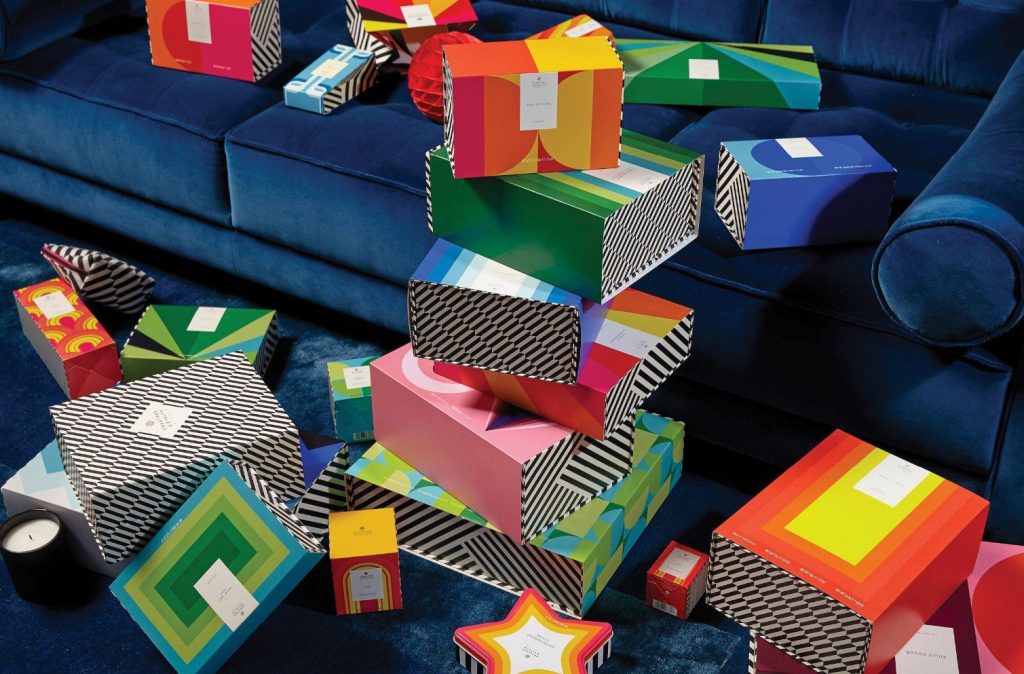
How Does Market Positioning Influence Design?
· Target Audience Determines Visual Style
Different consumer groups have different aesthetic preferences. For example, young people prefer trendy designs, while middle-aged people tend to favor a more stable and mature style.
· Price Positioning Influences Material Selection
High-end products typically use higher-quality materials, such as glass or thicker cardboard boxes, while lower-priced products focus more on cost control.
· Brand Tone Determines Design Language
If a brand adopts a “natural and healthy” approach, its packaging will lean towards green and minimalist designs; if it embraces a “tech-savvy” aesthetic, it may use cool colors and modern designs.
· Usage Scenarios Influence Functional Design
For example, portable products will use small packaging designs, while family-sized products will emphasize capacity and airtightness.
· Competitive Environment Influences Differentiation Strategies
Among similar products, packaging needs to differentiate itself through color, structure, or graphics to avoid homogenization.
Packaging Needs Under Different Positioning
High-end products typically employ minimalist designs with ample white space and high-quality materials to reflect brand value and quality; while mass-market products emphasize clear information and price advantages, resulting in more direct and functional packaging designs. Visually, high-end products may use low-saturation colors and sophisticated typography, while mass-market products tend to use high contrast and eye-catching colors to quickly attract attention on the shelf. Furthermore, in terms of information delivery, high-end products focus more on stories and concepts, while mass-market products emphasize practical information such as specifications, prices, and promotional content. This difference illustrates that packaging design is essentially “in service of positioning,” and different positioning will lead to completely different design solutions.
How to Understand the Relationship Between Market Positioning and Design
Q: Can packaging change a product’s positioning?
A: To a certain extent, yes, but if the product itself doesn’t match, the effect is unlikely to be sustainable.
Q: Is high-end packaging always more complex?
A: Not necessarily. Many high-end products actually use minimalist designs to reflect quality.
Q: Do low-priced products not need a sense of design?
A: Yes, but they emphasize clarity and practicality rather than complex decoration.
Q: Does market positioning limit design creativity?
A: It doesn’t limit it; rather, it provides direction for creativity, making the design more targeted.
Packaging Designs Created Under Different Positioning
For example, in the beverage industry, high-end mineral water brands typically use transparent glass bottles and simple labels to highlight purity and quality; while mass-market beverages use brightly colored plastic bottles and highlight promotional information and flavor characteristics on the packaging. In the snack industry, high-end brands may employ minimalist packaging and high-quality printing to create a sense of “refinement,” while affordable brands attract consumers’ attention through large-scale graphics and eye-catching logos. In the health food sector, products positioned as “organic” typically use natural colors and environmentally friendly materials, while products positioned as “functional” emphasize ingredient and efficacy descriptions. These examples illustrate that packaging design always revolves around market positioning, and the design differences resulting from different positioning are very significant.
Market positioning has a comprehensive impact on packaging design, from visual style and material selection to information expression and functional structure, all requiring unified planning around the positioning. Packaging design is not merely a process of beautification, but a crucial component of brand design. Only by clearly defining the target audience and product positioning can the design have direction, avoiding blindly following trends or creating a chaotic style. Finding a balance between creativity and commerce ensures that packaging aligns with brand positioning while attracting consumer attention. Through this positioning-centric design approach, packaging can truly realize its value and become a significant force driving product sales.

