
What are the steps involved in packaging box design?

Packaging box design is not a single creative process, but a systematic undertaking comprised of multiple stages. From initial needs analysis to creative conception, structural design, and production implementation, each step directly impacts the final result. Many people believe packaging design is simply “drawing,” but it involves brand positioning, material selection, printing processes, and user experience. Without preliminary research, the design may deviate from market trends; neglecting structure and manufacturing processes may render the solution unfeasible. Therefore, a complete packaging box design process must consider both creative expression and practical production and usage needs. Furthermore, in the context of e-commerce and multi-channel sales, packaging must adapt to various scenarios such as transportation, display, and dissemination, further increasing the complexity of the design.
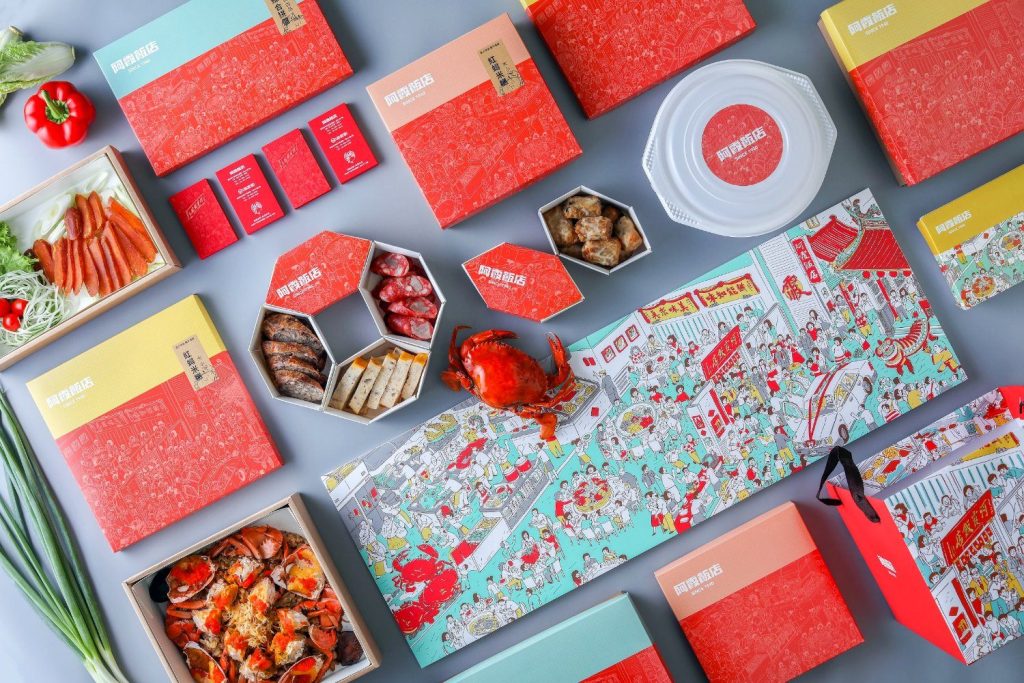
Six Core Processes
· Needs Analysis and Market Research
Clarify product positioning, target audience, competitor analysis, and usage scenarios to provide direction for the design.
· Creative Conception and Style Determination
Determine the visual style, color scheme, and overall design concept based on brand tone.
· Structural Design and Size Planning
Design the shape, opening mechanism, and size of the packaging box to ensure the product can be securely placed.
• Visual Design and Layout
Complete the design of graphics, text, and typography to make the packaging attractive and easily recognizable.
• Material Selection and Process Determination
Select paper materials, printing methods, and special processes (such as hot stamping and embossing) based on budget and requirements.
• Prototyping and Production Adjustment
Create samples for testing, make modifications based on actual results, and finally proceed to mass production.
The Importance of a Standardized Process
There is a clear difference between a standardized process and arbitrary design. Designing according to a process ensures that each step is based on evidence, providing a clear direction from research to implementation, and resulting in a final product that better meets market demands. Designs lacking a process often rely on personal experience, easily leading to style mismatches or structural inconsistencies. A standardized process considers dimensions and load-bearing capacity in advance, while arbitrary design may result in products that cannot fit or are unstable. A standardized process reduces risk through prototyping, while skipping this step may cause problems during mass production.
Frequently Asked Questions about the Design Process
Q: Can certain steps be skipped to improve efficiency?
A: It is not recommended. Missing key steps may lead to rework later, increasing time costs.
Q: Which is more important, structural design or visual design?
A: Both are equally important and need to work together to complete a comprehensive design.
Q: Is prototyping necessary?
A: Absolutely necessary. It allows for early detection of problems and avoids risks associated with mass production.
Q: Does a small product require a complete process?
A: Yes, but it can be simplified depending on the project scale.
From initial research to creative conception, and then to structural and process implementation, every step should revolve around product needs and user experience. If the process is missing or poorly connected, even if one step is done well, the overall effect may be affected. Therefore, the focus of design is not on the number of steps, but on whether they are “orderly and reasonable.” The process can be simplified or adjusted according to the project scale, but the core steps still need to be retained to ensure that the design is both creative and feasible. Through this process-based, results-oriented design approach, packaging boxes can not only be produced smoothly but also achieve a higher level of visual presentation and user experience, thus truly realizing their commercial value.

