
How to Create Product Packaging Designs That Attract Consumers?

In an increasingly competitive market, packaging design is no longer just about aesthetics; it’s a crucial factor directly influencing whether consumers are willing to pick up a product, learn about it, and even purchase it. Consumers have very limited attention spans when faced with a product on a shelf or online store, typically making a decision within seconds. Therefore, packaging design must effectively convey information and evoke emotions in a very short time. A truly attractive packaging design doesn’t rely on complex patterns or excessive information; rather, it uses a clear visual structure, a well-defined product positioning, and an aesthetically pleasing approach that resonates with the target audience, creating an intuitive feeling of “This is what I need” or “This looks good.” This attraction is often the result of a combination of rational and emotional factors. Simultaneously, packaging design also plays a role in reducing decision-making costs. If consumers cannot immediately understand what the product is, its features, or who it’s suitable for, even a good product can easily be overlooked. Therefore, attractive packaging design essentially helps consumers make quick decisions, rather than increasing the difficulty of understanding.
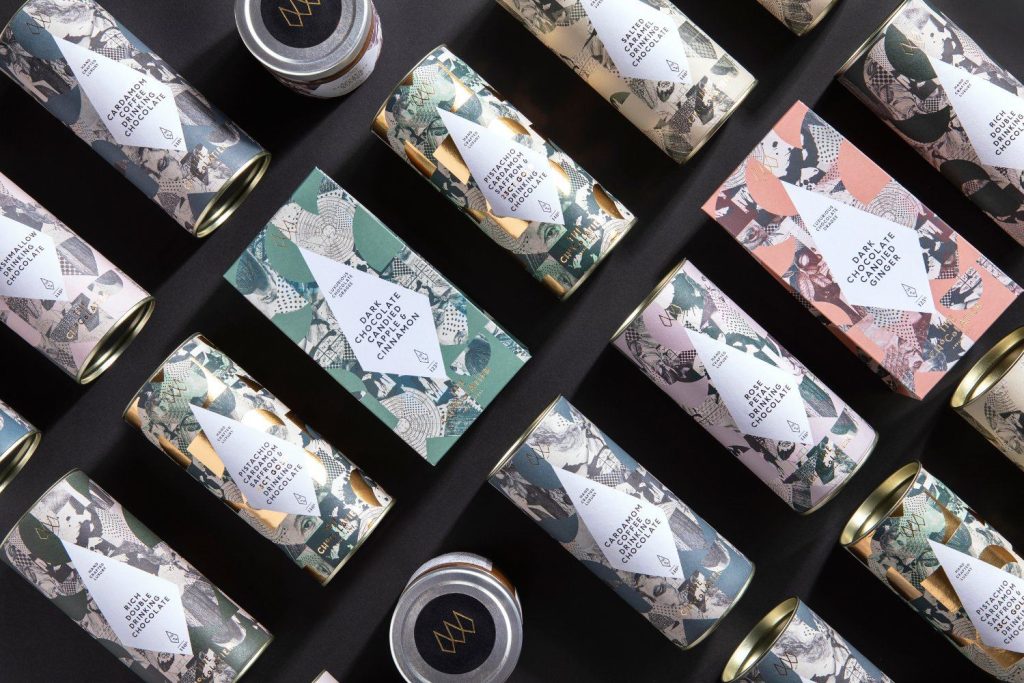
Methods to Enhance Packaging Appeal
- Clearly Express the Core Selling Points of the Product
Packaging must tell consumers “what’s special about this product” in the shortest amount of time, such as low sugar, high protein, natural ingredients, etc., using concise keywords to highlight the core value, rather than piling up long sentences.
- Establish a Clear Visual Hierarchy
Use font size, position, and color to differentiate primary and secondary information, allowing consumers to see the brand first, then the product name, and finally supplementary information, forming a natural reading path.
- Use a Visual Style that Matches the Target Audience
Young people prefer vibrant colors and creative designs, while mature people prefer simple and stable styles. Packaging must be consistent with the aesthetics of the target users; otherwise, it will be difficult to generate appeal.
- Reduce Visual Distractions and Information Overload
Avoid excessive patterns, colors, and text, keeping the image clean so that consumers’ attention is focused on the core product information, rather than being distracted by complex designs.
- Enhance Emotional and Contextual Associations
Use images, copywriting, or design styles to evoke usage scenarios in consumers, such as breakfast, exercise, and leisure, thereby enhancing their desire to purchase.
- Enhancing Tactile and Detail Experience
In physical packaging, enhancing the tactile experience through materials, printing processes, and structural design allows consumers to experience a stronger sense of quality when handling the product.
Differences Between Attractive and Ordinary Designs
The main differences between attractive packaging designs and ordinary packaging lie in the way information is expressed and the ability to control visual perception. Attractive designs emphasize “quick understanding,” using clear structures and highlighting key points to allow consumers to grasp the product’s value within seconds; while ordinary designs often have scattered information and lack focus, requiring consumers to spend more time understanding. Visually, attractive designs are usually simpler and more rhythmic, while ordinary designs are prone to element stacking and inconsistent styles. In terms of communication effectiveness, the former is more likely to be noticed and shared on social media or e-commerce platforms, while the latter is easily overlooked.
Frequently Asked Questions about Packaging Design
Q: Is more elaborate packaging more attractive?
A: Not necessarily; excessive complexity can actually reduce recognition efficiency.
Q: Are brighter colors always better?
A: It depends on the target audience; appropriateness is more important than brightness.
Q: Is it necessary to display all product information? A: No, just highlight the core selling points.
Q: Will attractive design increase costs?
A: Not necessarily. A well-designed package can actually improve conversion rates.
Attractive Design Approaches for Different Products
Snack packaging typically uses high-contrast colors and clear product images to quickly evoke appetite associations in consumers; beverage packaging uses vibrant brand colors and simple bottle shapes to create a strong visual impact on the shelf; skincare packaging often employs minimalist designs, conveying professionalism through white space and sophisticated typography; health foods frequently use natural colors and visual elements of raw materials to reinforce a healthy image. These examples illustrate that different products can attract consumers in different ways, but the core logic is “quick understanding + emotional resonance.”
The attractiveness of product packaging design does not come from complex visual effects, but from clear information delivery and precise user matching. A successful packaging design needs to convey information quickly and evoke emotional resonance in consumers. In practical design, information overload and visual interference should be avoided. The core selling points and user experience should be emphasized, making the packaging a true first point of contact between the product and the consumer, rather than simply a decorative shell.

