
Tea Packaging Box Printing Knowledge and Aroma Preservation Technology

Tea is a product highly sensitive to its storage environment, and the stability of its aroma directly affects the quality experience. Tea packaging boxes not only serve an aesthetic purpose but also need to possess excellent sealing and aroma preservation capabilities. A reasonable combination of printing technology and structural design can enhance visual appeal while minimizing aroma loss, ensuring the tea maintains a stable flavor during storage and transportation.
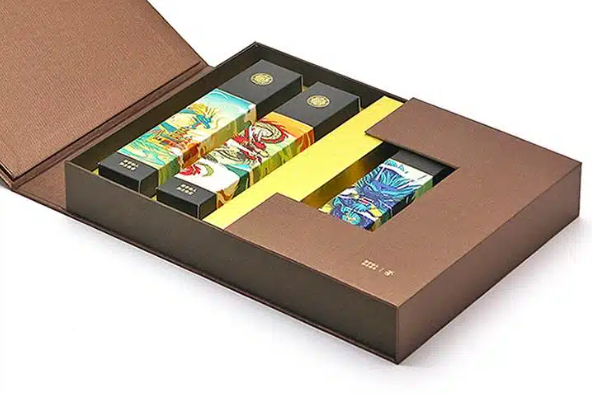
Packaging Materials Determine Basic Aroma Preservation Capacity
The aroma preservation effect of tea packaging is closely related to the choice of materials, as different materials have significantly different barriers to air and moisture. Common materials include cardboard boxes, composite aluminum foil, and multi-layer composite structures, with composite materials typically offering stronger sealing performance. High-density cardboard combined with an inner protective film can effectively reduce air penetration, thereby slowing down aroma evaporation. The more stable the material structure, the more reliable the aroma preservation.
Printing Process Affects Surface Sealing Performance
Printing not only affects visual presentation but also the density of the packaging surface. Different processes result in varying aroma preservation capabilities.
- Lamination process reduces air contact area
- UV coating enhances surface sealing
- Local embossing improves structural tightness
- Environmentally friendly inks reduce odor interference
- Multi-layer printing improves overall barrier effect
Selecting appropriate printing processes can improve packaging sealing performance without affecting visual appeal.
Internal Structure Design Enhances Aroma Locking
The internal structure of tea packaging is equally important for aroma retention. Common designs include independent inner bags, aluminum foil bags, or multi-layer isolation structures, which effectively reduce the contact between tea and outside air. A well-sealed inner packaging can create an independent storage environment, reducing oxidation and thus extending the aroma retention time. The tighter the structure, the slower the aroma loss.
Sealing Methods Improve Overall Preservation Stability
The sealing method of the packaging box directly affects the tea preservation effect. Using heat sealing, glue sealing, or magnetic structures can enhance overall airtightness and reduce air entry paths. If the sealing is not tight, even if the material itself has a certain barrier capacity, aroma loss may still occur. In practical applications, multiple sealing structures are often more stable than single-sealing methods.
Synergistic Effect of Storage Environment and Packaging Design
The aroma retention effect of tea depends not only on the packaging itself but also closely on the storage environment. Avoiding high temperatures, humidity, and strong light can reduce the rate of aroma evaporation. When packaging design and storage conditions work together, the aroma retention effect is more stable. During transportation and storage, the use of desiccants or moisture-proof measures can further extend the aroma retention period of tea, making the overall quality performance more stable.

