
What are the advantages and disadvantages of screen printing packaging?

Screen printing is widely used in the packaging industry. Its unique printing method and adaptability to various materials make it an important choice for enterprise packaging printing. Understanding the advantages and limitations of screen printing helps enterprises rationally select printing processes during production.
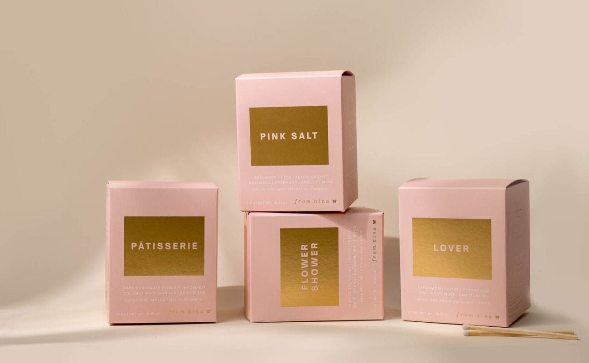
Characteristics of Screen Printing Process
Screen printing is a printing method that uses a screen to press ink onto the surface of the substrate. It is suitable for various packaging materials such as paper, plastic, metal, and glass.
- Wide printing adaptability, applicable to various materials
- Full patterns and vibrant colors
- Achieves embossed printing effects
- Suitable for large-area printing and special effects
- Stable process and moderate production efficiency
This process can meet the diverse needs of packaging in terms of visual effects and material adaptability.
Advantages of Screen Printing Packaging
Screen printing has unique technological advantages, making it very popular in certain packaging scenarios.
- Vibrant printing colors and outstanding visual effects
- Can be applied to irregularly shaped packaging
- Suitable for high-adhesion inks, wear-resistant and durable
- Can achieve special effects, such as metallic colors and transparent ink printing
- Friendly to small-batch customized printing
These advantages make screen printing widely used in food packaging, gift packaging, and special process packaging.
Limitations of Screen Printing Packaging
Although screen printing has many advantages, it also has certain limitations that need to be considered in process selection.
- Printing accuracy is relatively lower than offset and gravure printing
- Multi-color printing requires multiple overprinting, which can easily lead to deviations
- Slower production speed, unsuitable for ultra-large-scale production
- Higher material and ink costs
- High requirements for operating skills, prone to producing waste products
Understanding these limitations helps to avoid problems and improve packaging efficiency in actual production.
Applicable Scenarios for Screen Printing
Based on the characteristics of screen printing, it is suitable for specific packaging types and printing needs.
- High-end gift packaging and limited-edition products
- Irregular packaging such as glass bottles and metal cans
- Food packaging designs emphasizing color saturation
- Personalized custom packaging and advertising materials
- Products requiring raised or special textured printing effects
Selecting appropriate application scenarios can maximize the advantages of screen printing.
Methods to Improve the Effect of Screen Printed Packaging
To fully utilize the characteristics of screen printing, several methods can be used to optimize printing quality.
- Select high-quality inks to ensure color saturation
- Use fine screen printing to improve printing clarity
- Precisely control ink thickness to reduce ink overflow and color deviation
- Regularly inspect equipment and screen printing to maintain printing stability
- Design a reasonable printing sequence to reduce registration errors
Through these measures, screen printed packaging can maintain a unique visual effect while improving production efficiency and quality stability.
Screen printing packaging has unique value in the packaging industry due to its advantages such as bright colors, strong adaptability and outstanding special process effects. However, it is also necessary to combine actual needs and make reasonable arrangements for production processes and management measures.

