
Can Plastic Materials Be Used in Packaging Printing?

Plastic materials are widely used in the packaging and printing industry, from food packaging and daily necessities packaging to industrial product packaging. Due to their lightweight, good moisture resistance, and flexible processing, plastics have become an important material for many packaging products. However, different plastic materials vary significantly in their printability, environmental performance, and application scenarios, requiring selection based on product needs.
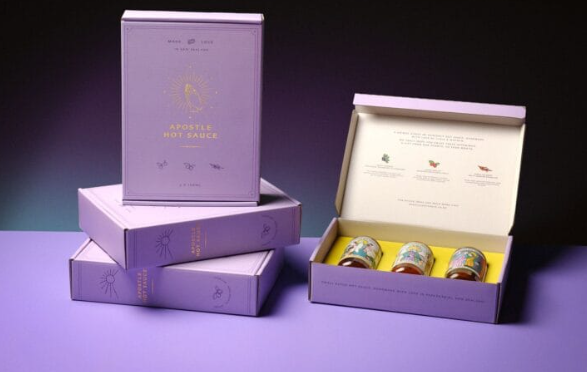
Plastic Materials are Suitable for Multiple Packaging Printing Processes
Plastic materials are compatible with various printing methods, such as flexographic printing, gravure printing, and screen printing. Through different process combinations, rich patterns and text displays can be achieved on the plastic surface. Common plastic films have relatively smooth surfaces, so corona treatment or surface activation treatment is usually required before printing to improve ink adhesion and reduce fading and blurring. After treatment, plastic packaging not only has higher pattern clarity but also more stable overall wear resistance.
There are Many Types of Common Plastic Packaging Materials
Different plastic materials are suitable for different types of packaging.
- PE material is commonly used in food packaging bags.
- PP plastic is suitable for daily necessities packaging.
- PET material has high transparency.
- PVC is commonly used in industrial packaging products.
- Composite plastics are suitable for high-barrier packaging.
Selecting the appropriate plastic material according to packaging needs can improve printing quality and product protection performance.
Plastic Packaging Has Good Protective Performance
Plastic packaging materials perform well in terms of moisture resistance, oil resistance, and sealing, making them widely used in food and liquid product packaging. Especially for products requiring long-term storage or transportation, plastic packaging can effectively reduce the impact of the external environment. Some composite plastic materials also have strong barrier capabilities, reducing the entry of air, moisture, and odors into the packaging. This characteristic helps maintain product stability and improves overall packaging practicality.
Printing on Plastic Packaging Requires Attention to Ink Compatibility
Plastic materials differ from paper and have higher requirements for ink compatibility.
- Insufficient ink adhesion leads to color fading.
- Different plastics require specific inks.
- Drying speed affects printing efficiency.
- High-temperature environments may affect stability.
- Surface treatment helps improve results.
In actual production, rationally selecting ink types and curing methods can make plastic packaging printing more stable.
Environmental Trends Drive Upgrading of Plastic Packaging
With increasingly stringent environmental requirements, the packaging industry is paying more attention to the environmental performance of plastic materials. Some traditional plastics, due to their difficulty in degradation, are gradually being replaced by recyclable materials or environmentally friendly composite materials. Currently, many packaging companies have begun using biodegradable plastics, bio-based materials, and lightweight packaging designs to reduce resource consumption. For the packaging and printing industry, the future development direction of plastic materials will also focus more on environmental performance and recycling capabilities.

