
What Types of Products Are Suitable for High-Contrast Packaging Design?

In the field of packaging design, “high contrast” is a common and effective visual presentation technique. It mainly uses obvious differences in color, brightness, size, shape, or typography to quickly attract consumers’ attention. In today’s highly competitive market environment, whether on physical store shelves or e-commerce platforms, consumers are exposed to a large number of products every day. Therefore, whether packaging can capture attention within a short period of time often affects a product’s exposure opportunities and purchase potential.
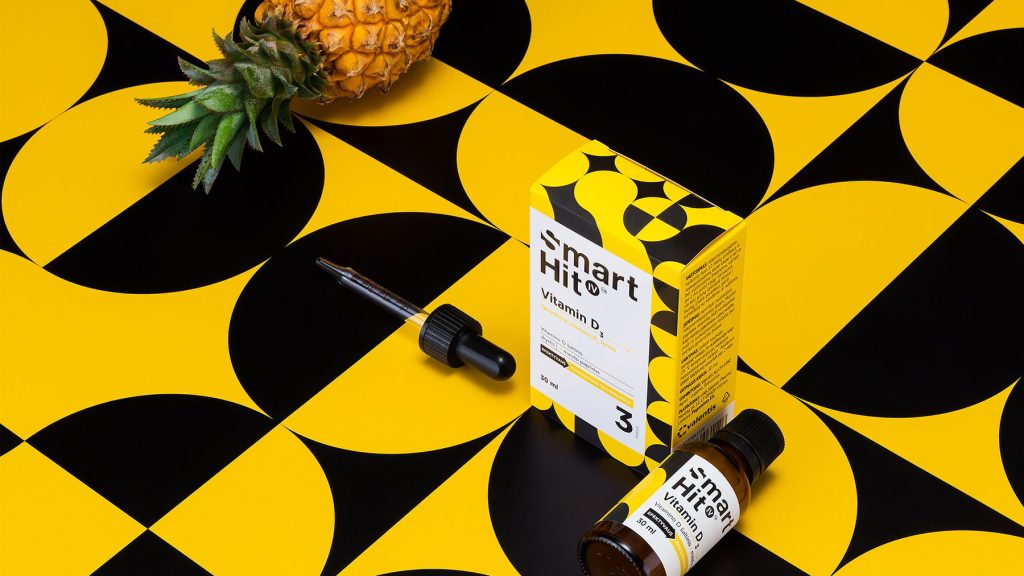
The greatest advantage of high-contrast packaging design is its strong visual impact. When consumers browse products, the brain naturally tends to focus first on objects that stand out clearly from their surroundings. Therefore, the proper use of high-contrast design can help products stand out among numerous competitors. However, not all products are suitable for a high-contrast style. Different products have different target audiences, brand positioning, and sales scenarios, resulting in different packaging design requirements. Understanding which products are better suited for high-contrast packaging can help create more competitive packaging solutions.
Product Types Suitable for High-Contrast Packaging Design
High-contrast packaging is not suitable for every industry, but the following categories of products often achieve strong visual communication effects:
Fast-Moving Consumer Goods (FMCG)
Products such as snacks and beverages face intense competition. These products need to attract consumer attention quickly, so they often use highly saturated colors, large headline typography, and eye-catching graphic designs.
Products Targeting Young Consumers
Younger consumers are generally more receptive to personalized designs. Trend toys, cultural and creative products, and new beauty products often enhance their appeal through bold color combinations and visual contrasts.
E-Commerce Products
Thumbnail displays require stronger visual recognition. On e-commerce platforms, consumers first see the product’s main image, so high-contrast packaging can make the product stand out more effectively and improve click-through rates.
Promotional and Seasonal Products
These products need to communicate promotional information quickly. Holiday gift boxes and limited-time promotional products frequently use high-contrast designs to strengthen festive atmospheres and stimulate purchase impulses.
Reference Table of Products Suitable for High-Contrast Packaging
| Product Type | Suitability Level | Main Reason |
| Snacks & Beverages | High | Highly competitive, requires attention-grabbing design |
| Trend Toys & Creative Products | High | Emphasizes individuality and creativity |
| E-Commerce Products | High | Enhances thumbnail visibility |
| Holiday Gift Boxes | High | Strengthens festive atmosphere |
| High-End Luxury Products | Medium | Contrast intensity must be carefully controlled |
| Medical Products | Low | Focuses more on professionalism and stability |
Which Products Are Suitable for High Contrast?
High-contrast design is suitable for products that emphasize energy, youthfulness, and rapid attention capture. For example, snack packaging often uses red-and-yellow color combinations, while new beauty products frequently adopt vibrant color schemes to increase visual impact.On the other hand, products that emphasize stability, professionalism, or a premium image may not require overly strong visual contrasts. For example, medical equipment, high-end corporate gifts, and certain luxury product packaging tend to convey quality through materials, craftsmanship, and details. Excessive contrast may actually weaken the brand’s sense of professionalism and sophistication.Therefore, stronger contrast is not always better. The key is ensuring that the design aligns with the brand positioning.
Frequently Asked Questions About High-Contrast Packaging
Q: Does high-contrast design always increase sales?
A: Not necessarily, but it can increase the chances of attracting attention.
Q: Can high-end products use high-contrast design?
A: Yes, but they usually apply contrast in a more restrained manner.
Q: Is high-contrast design suitable for e-commerce packaging?
A: Yes, because it helps improve thumbnail visibility and presentation.
Q: Does using more colors create better contrast effects?
A: No. Too many colors may result in visual clutter.
High-Contrast Packaging Across Different Industries
In the snack industry, many potato chip, candy, and beverage brands use highly saturated colors combined with exaggerated graphics to help consumers quickly notice products on store shelves. For trend toy brands, bold color collisions and creative illustrations help highlight product personality.In the e-commerce sector, some emerging consumer brands use black-and-white contrasts, bright backgrounds, or large areas of white space to make product images more eye-catching. In holiday gift box packaging, high-contrast color combinations such as red-and-gold or black-and-gold are frequently used to strengthen the gifting appeal and festive atmosphere.These examples demonstrate that high-contrast packaging is particularly suitable for products that need to quickly establish visual memory and attract attention.
The greatest advantage of high-contrast packaging design is its ability to quickly capture consumer attention and increase product visibility on store shelves and e-commerce pages. For fast-moving consumer goods, youth-oriented products, e-commerce products, and promotional gift boxes, this design approach often delivers stronger visual performance.However, the ultimate goal of packaging design is not simply to “attract attention,” but also to accurately communicate the brand image and product value. Therefore, when applying high-contrast design, it is important to consider the target audience, product positioning, and sales environment. Only when visual impact is aligned with the brand style can packaging be both attractive and effective in strengthening consumer recognition and trust in the brand.

