
How to Reduce Packaging Box Design and Printing Costs?

For many companies, packaging is an important component of product costs. Especially in an increasingly competitive market where profit margins continue to shrink, how to reduce packaging box design and printing costs has become a common concern for purchasing personnel, brand owners, and manufacturers. However, cost reduction does not mean simply choosing the cheapest materials or reducing design investment. Instead, it involves achieving more reasonable cost control while ensuring packaging functionality, brand image, and product protection performance.
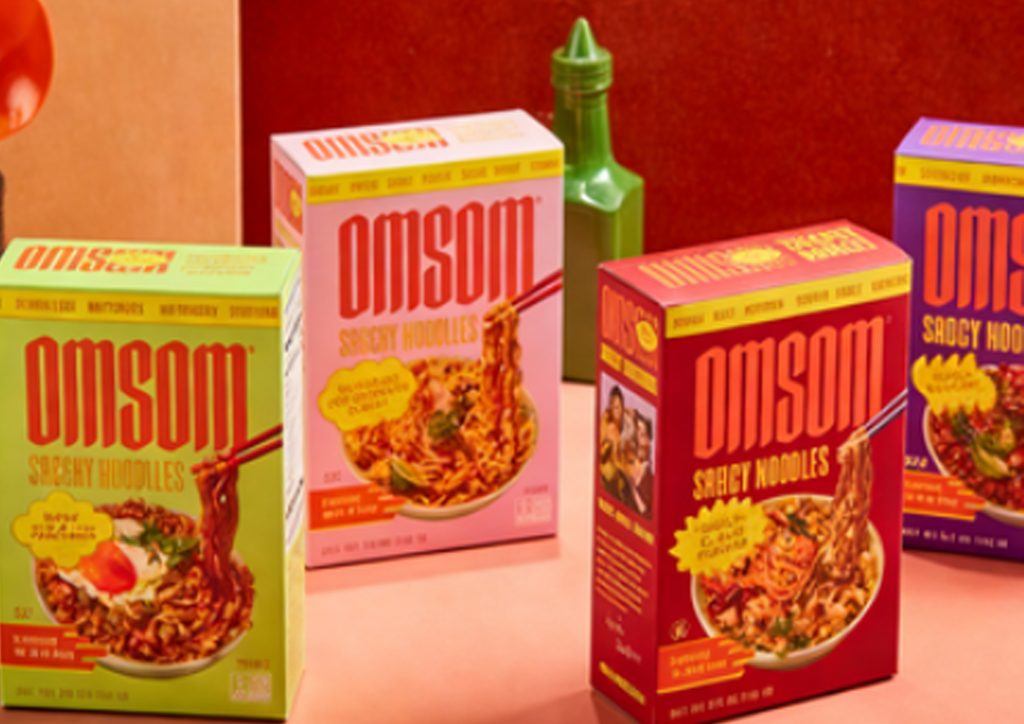
Many companies easily fall into common misconceptions when managing packaging budgets, such as excessively pursuing complex finishing processes, frequently modifying design solutions, or selecting high-specification materials that do not match product requirements. These practices can lead to unnecessary expenses. In fact, by optimizing structural design, selecting materials appropriately, controlling printing processes, and improving production efficiency, companies can often effectively reduce overall costs without compromising packaging quality.
Main Methods for Reducing Packaging Box Design and Printing Costs
Companies can optimize costs in packaging projects through the following approaches:
Simplify Packaging Structure Design:
The more complex the structure, the higher the production cost is usually. For example, multi-layer gift boxes, special-shaped boxes, and complicated opening and closing structures increase die-cutting, manual assembly, and material consumption costs. Choosing practical and proven box structures can often reduce production expenses effectively.
Select Packaging Materials Rationally:
Material costs usually account for a significant portion of total packaging expenses. Not all products require premium specialty paper or thick gray board. Selecting suitable paper materials according to product positioning can meet packaging requirements while avoiding material waste.
Reduce Special Printing Processes:
The more finishing processes used, the higher the processing cost. Techniques such as hot stamping, UV coating, embossing, and debossing can enhance packaging quality, but excessive use can significantly increase the cost per package. Therefore, it is often better to retain key processes while reducing redundant combinations.
Increase Production Volume:
Mass production helps distribute fixed costs. Die-cutting fees, plate-making fees, and machine setup costs are fixed expenses. As production volume increases, the cost allocated to each individual package decreases significantly.
Packaging Cost Optimization Reference Table
| Optimization Item | Cost Impact | Optimization Suggestion |
| Structure Design | High | Prioritize standard box styles |
| Material Selection | Very High | Match materials to actual needs |
| Printing Processes | High | Retain only core processes |
| Production Quantity | Very High | Consolidate purchasing whenever possible |
| Design Revisions | Medium | Finalize designs early |
How to Optimize Costs Reasonably?
Many companies believe that reducing costs means choosing cheaper materials or eliminating all special finishing processes. However, this approach often affects packaging quality and may even damage brand image. Reasonable cost optimization focuses more on resource allocation efficiency.For example, blindly reducing paper thickness may weaken packaging strength and increase the risk of transportation damage. In contrast, optimizing box structures to reduce material waste can lower costs without affecting functionality. Similarly, removing all finishing processes may make packaging less attractive, while retaining localized hot stamping on the brand LOGO area can maintain visual appeal while controlling costs.Therefore, the core of cost reduction is not “cutting all investments,” but allocating the budget to the areas that matter most.
Cost-Related Questions
Q: Which part of packaging usually accounts for the highest cost?
A: Material costs and production process costs typically represent the largest portions.
Q: Does using fewer finishing processes always lower costs?
A: Generally yes, but essential branding and visual presentation effects should be retained.
Q: Why is small-batch production more expensive?
A: Because fixed costs such as die-cutting and plate-making fees cannot be effectively distributed across a small quantity.
Q: How can costs be saved during the packaging design stage?
A: Confirm design plans as early as possible and minimize repeated revisions.
How Can Packaging Costs Be Optimized?
For example, food companies that mainly sell products through e-commerce can use standard folding cartons instead of complex gift box structures. This reduces packaging expenses while maintaining protective performance.For cosmetic brands, large-area hot stamping can be reduced while retaining special treatment only in the LOGO area. This approach preserves a premium appearance while controlling processing costs.For electronics manufacturers, packaging specifications can be standardized to reduce inventory management pressure associated with multiple packaging sizes, thereby lowering warehousing and procurement costs.These examples demonstrate that cost optimization is not about lowering quality, but about improving the overall return on investment through effective planning.
Reducing packaging box design and printing costs is not simply about cutting budgets. It is about achieving more efficient cost management through optimization of design, materials, finishing processes, and production workflows. An excellent packaging solution should not only meet product protection and brand presentation requirements but also maintain a reasonable cost structure.The most effective approach to cost control is reducing unnecessary expenses while preserving packaging quality and brand image. Common and effective methods include optimizing structural design, selecting appropriate materials, controlling the number of finishing processes, and increasing production volume.

