
How to determine the size of a custom packaging box?

Determining the size is a crucial step in customizing packaging boxes. Oversized boxes can lead to material waste and increased transportation costs, while undersized boxes may compromise product placement and protection. During the packaging design phase, a comprehensive plan needs to be developed, taking into account product specifications, transportation requirements, and display methods. Appropriate dimensions not only enhance packaging practicality but also optimize the overall visual appeal, ensuring the product remains in good condition during storage, transportation, and sales. Scientifically determining packaging box dimensions helps improve packaging utilization while enhancing user experience and brand image.
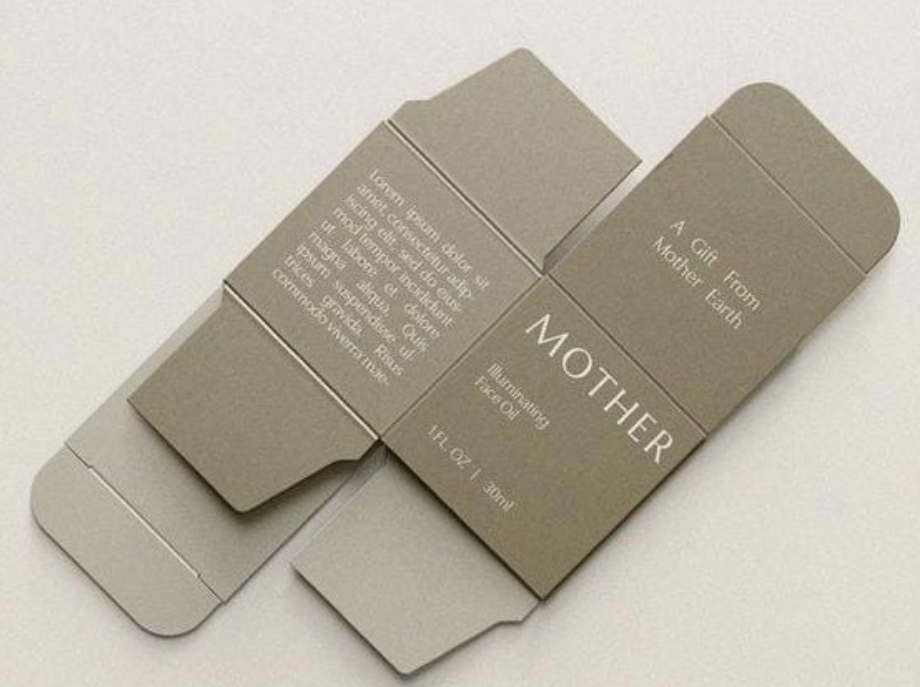
Planning Based on Actual Product Dimensions
Product specifications are the primary basis for determining packaging dimensions.
- Accurately Measure Product Size: Record the product’s length, width, height, and other basic data.
- Reserve Necessary Space: Leave reasonable margins for protective materials or internal structures.
Accurate data provides a reliable foundation for packaging design.
Design Based on Packaging Protection Needs
Packaging dimensions must meet product protection requirements.
- Consider Space for Cushioning Materials: Reserve space for protective structures such as foam and paper trays.
- Prevent Product Movement Inside the Box: Appropriate dimensions help improve transportation stability.
Protective performance directly affects the size design scheme.
Considering Transportation and Warehousing Efficiency
Packaging box size not only affects the product packaging effect but also directly relates to transportation and warehousing costs. Oversized boxes increase logistics volume and transportation costs, while undersized boxes may compromise product protection. Customizing packaging boxes requires careful planning based on transportation methods, packing requirements, and warehouse space. Optimizing packaging volume and structure improves vehicle loading rates and warehouse storage efficiency, reducing space waste. Standardized size design also helps improve logistics management efficiency, ensuring product stability and safety during transportation and storage.
Balancing Display and User Experience
Packaging should not only be practical but also have display value.
- Maintaining Harmonious Proportions
Appropriate dimensions make packaging look more aesthetically pleasing.
- Enhancing Ease of Unboxing
Sufficient space enhances the user experience.
Good size design contributes to improved overall packaging performance.
Determining the size of customized packaging boxes requires comprehensive consideration of multiple factors, including product specifications, protection needs, logistics and transportation, and display experience. Scientific measurement and reasonable planning ensure that packaging better fits the product characteristics, avoiding resource waste and inconvenience. The more precise the size design, the easier it is to achieve ideal protection, transportation efficiency, and display effect of the packaging, thus providing a more stable and professional packaging solution for the product.

