
Full Custom Packaging Box Design Process

Packaging box design is not only a presentation of product appearance but also an important carrier of brand identity. A high-quality packaging box can directly enhance consumers’ purchasing experience and help products stand out on shelves or e-commerce platforms. However, packaging box design is not carried out arbitrarily; it involves a complete process ranging from conceptual planning, design development, material selection to final production. A standardized customization process ensures that the design aligns with brand positioning, cost control requirements, and production and logistics constraints.
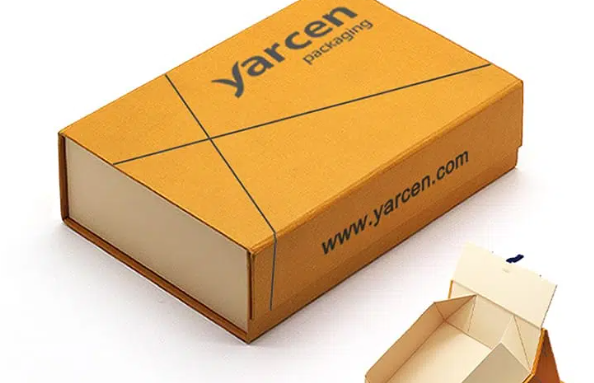
Design Process
The packaging box design process is typically divided into the following key stages, each serving a distinct purpose:
Market Research and Brand Analysis
Clearly define product positioning, target audience, and market demand
Analyze competitors’ packaging design characteristics
Concept Design and Sketching
Initial creative ideation, hand-drawn or digital sketches
Determine packaging style, color scheme, and visual elements
Structural Design and Size Confirmation
Design packaging dielines to ensure structural stability
Determine paper type, thickness, and dimensional specifications
Material and Finishing Selection
Select suitable materials such as paper, plastic, or metal
Determine printing processes, hot stamping, embossing, and other finishing methods
Rendering Production and Revision Confirmation
Generate 3D renderings or physical samples
Make adjustments based on feedback to ensure proper appearance and structure
Production and Quality Inspection
Mass production in factories
Conduct quality inspections for each batch to ensure consistency in size, printing, and finishing
| Process Stage | Main Content | Key Considerations |
| Market Research | Market analysis, brand positioning | Comprehensive information gathering |
| Concept Design | Sketch creation, style definition | Emphasize brand visual identity |
| Structural Design | Dimensions, dieline development | Ensure logistics compatibility |
| Material & Finishing | Paper, printing, special processes | Balance cost and quality |
| Rendering | 3D visualization, sample confirmation | Client review and revisions |
| Production & QC | Mass production and inspection | Avoid batch inconsistencies |
Packaging box effects made of different materials and processes
Packaging boxes made from different materials and processes show significant differences in texture and cost:
Paper Boxes vs. Rigid Gift Boxes: Paper boxes are lightweight and low-cost, suitable for everyday consumer goods; rigid gift boxes are sturdy and premium, suitable for gifts and high-end products.
Standard Printing vs. Special Finishing: Standard printing is low-cost with simple effects; processes such as hot stamping and embossing enhance texture but increase cost.
Through comparison, companies can select the most suitable packaging solution based on product positioning and budget, achieving a balance between visual appeal and cost efficiency.
Frequently Asked Questions
Q: How long does custom packaging box design usually take?
A: From requirement research to sample confirmation, it usually takes 7–20 days, depending on design complexity and number of revisions.
Q: Is it necessary to produce samples before mass production?
A: Yes, it is recommended. Samples allow direct evaluation of structure, dimensions, and printing quality, reducing risks in mass production.
Q: How can packaging costs be controlled?
A: Choosing appropriate materials, simplifying structures, and optimizing finishing processes are effective ways to reduce costs while maintaining quality.
Case Study
Taking a high-end tea gift box as an example:
Brand Positioning: Premium tea gift targeting business and collector customers
Design Style: Traditional Chinese elegance combined with brand logo and gold hot stamping
Structure & Materials: Rigid gift box with velvet inner lining
Finishing Effects: Hot stamping on outer box and partial UV coating to enhance visual and tactile quality
Production & Quality Control: Sample production before mass manufacturing, followed by customer approval and bulk production
This process ensures that the packaging is both visually premium and suitable for logistics and transportation requirements.
From requirement research, conceptual design, structural planning, and material selection to rendering confirmation and production quality control, every stage of packaging box design customization is essential. By comparing different materials and processes and combining real-world cases, companies can better plan packaging strategies and achieve high-quality, low-risk, and budget-compliant design solutions.

