
Color Scheme Considerations in High-End Custom Packaging Box Design

In high-end custom packaging box design, color is often one of the first design elements perceived by consumers. Whether for luxury gift boxes, premium skincare packaging, specialty tea gift boxes, or jewelry packaging, color directly influences consumers’ perception of product quality, value, and brand image. In many cases, consumers form their first impression of a brand through packaging color before they even interact with the product itself.
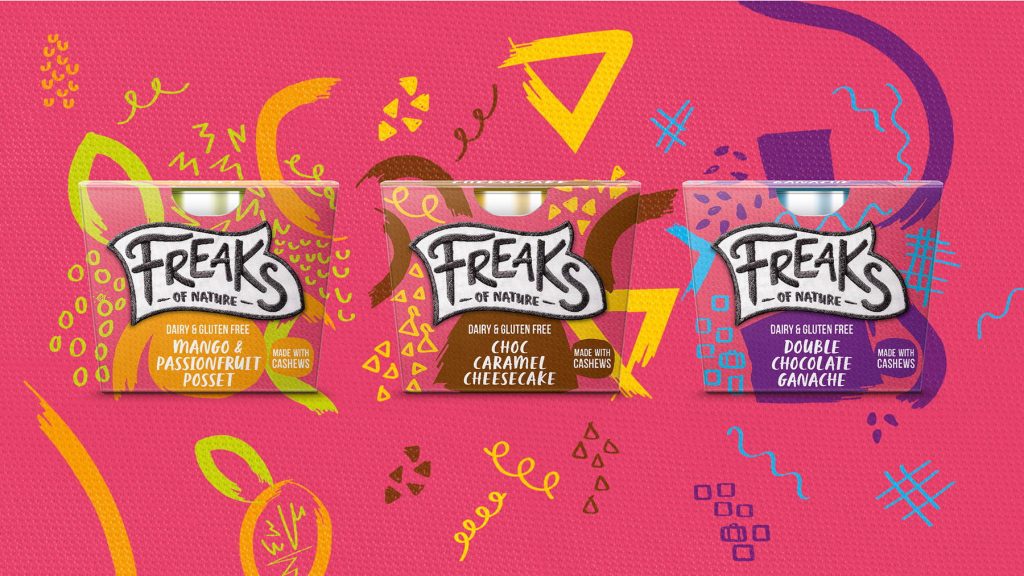
Color selection in high-end packaging is not simply about combining several attractive colors. It requires comprehensive planning based on brand positioning, product characteristics, target consumer groups, and printing processes. A well-designed color scheme can enhance brand recognition, elevate the perceived premium quality of packaging, and strengthen consumers’ emotional connection with the brand. Conversely, poor color choices may make packaging appear inexpensive, cluttered, and may even weaken brand value.
Core Principles of High-End Packaging Color Design
Color selection in high-end packaging design is not merely about combining visually appealing colors. It requires overall planning that aligns with brand positioning, product characteristics, and consumer aesthetic preferences. An excellent color scheme can make packaging appear more premium while enhancing brand recognition and market competitiveness. Many luxury brands are instantly recognizable largely because of their consistent and mature color systems. The following are some common color principles used in high-end packaging design.
Control the Number of Colors
Many people believe that more colors attract more attention. However, in high-end packaging, excessive colors often make the design appear cluttered and reduce its premium appeal. Truly sophisticated packaging usually limits its palette to one to three primary colors.The advantage of this approach is that it maintains visual consistency and allows consumers to focus quickly on brand information and product characteristics. In addition, limiting the number of colors helps improve printing consistency during production. Fewer colors generally result in greater printing stability and make it easier to maintain consistency across different production batches.As a result, high-end packaging typically avoids overly decorative color schemes and instead builds brand identity through a refined and focused palette.
Emphasize Brand Signature Colors
A signature brand color is an important part of establishing a brand recognition system. Many well-known brands can be recognized by consumers through color alone, even without displaying their full logo. This is the result of long-term visual memory built through consistent use of brand colors.In packaging design, consistently using signature colors helps consumers quickly identify product origins. When consumers see similar colors on store shelves, they automatically associate them with the corresponding brand, increasing brand exposure and memorability.Therefore, in high-end packaging design, color is not merely a decorative element—it is a valuable brand asset. Maintaining consistency in brand colors helps establish a unified and professional brand image.
Focus on Color Hierarchy
A premium appearance does not necessarily come from complex color combinations. Many outstanding packaging designs use only a single dominant color while still creating rich visual effects through tonal variations.This demonstrates the importance of color hierarchy. Color hierarchy not only enhances the sophistication of packaging but also helps designers establish visual focal points. Through variations in lightness and depth, consumers can more easily notice the brand name, product highlights, or key graphic elements.Compared with large areas of flat color, packaging with tonal depth often appears more refined and design-oriented.
Coordinate Colors with Finishing Techniques
In high-end packaging design, colors and finishing techniques work together to create the final visual effect. Even the most carefully selected colors may fail to communicate a premium feel without the support of appropriate finishing processes.Many luxury gift boxes appear sophisticated not only because of their color choices but because the colors and finishing techniques create a harmonious visual presentation. By combining colors with hot stamping, embossing, debossing, spot UV coating, and other processes, packaging can achieve richer visual depth under changing lighting conditions.
This significantly enhances overall product quality perception and brand value. Therefore, high-end packaging color design should consider not only color selection itself but also how colors will interact with finishing techniques. Only through this combination can truly premium packaging be achieved.
Common High-End Packaging Color Scheme Reference Table:
| Color Scheme | Visual Characteristics | Suitable Industries |
| Black + Gold | Premium, luxurious | Jewelry, gifts, alcoholic beverages |
| White + Silver | Clean, technological | Skincare, electronics |
| Dark Blue + Gold | Stable, professional | Corporate gifts, premium services |
| Dark Green + Gold | Natural, sophisticated | Tea, health products |
| Burgundy + Gold | Noble, elegant | Wine, gift packaging |
Differences Between High-End and Standard Color Schemes
High-end packaging color schemes place greater emphasis on brand personality and visual balance. They typically avoid overly bright or chaotic color combinations. Colors are arranged with a clear hierarchy, creating a unified and layered visual effect.Standard packaging, on the other hand, often uses numerous high-saturation colors to attract attention. While this may create immediate visual impact, it can also reduce the perception of quality.
Particularly in premium markets, overly complex color schemes may diminish consumers’ perception of product value. For example, for the same gift box product, a black-and-gold color scheme typically conveys luxury and prestige, while a mix of red, yellow, blue, and other colors is more likely to create a mass-market appearance.
Frequently Asked Questions
Q: Must high-end packaging use a black-and-gold color scheme?
A: Not necessarily. The key is matching the colors to the brand positioning rather than relying on a specific color combination.
Q: Does using fewer colors automatically make packaging look more premium?
A: High-end packaging generally limits the number of colors, but visual hierarchy and brand identity must still be maintained.
Q: Are high-saturation colors suitable for high-end packaging?
A: Some fashion brands use them successfully, but the proportions and combinations must be carefully controlled.
Q: How should a brand signature color be selected?
A: It should be determined based on brand culture, product positioning, and target audience preferences.
Applications of Color Schemes in Different High-End Products
For example, premium skincare brands often use white, beige, or light gray as their primary colors to create a clean and professional image. Premium tea gift boxes frequently utilize dark green, deep brown, or gold to convey natural quality and sophistication. Jewelry brands often combine black with gold finishing techniques to emphasize luxury and prestige.In corporate gift packaging, dark blue paired with gold is also a common solution because this combination conveys stability, professionalism, and premium quality. Through thoughtful color coordination, brands can accurately communicate product value and brand personality.
Color selection in high-end custom packaging box design affects not only visual aesthetics but also brand positioning and consumer perception. An effective color scheme should balance brand identity, market demands, and product characteristics, enabling consumers to immediately perceive product quality and value.During the design process, excessive colors and disorganized combinations should be avoided, while greater attention should be given to establishing signature brand colors and creating color hierarchy. By effectively applying classic premium color combinations such as black and gold, white and silver, dark blue and gold, and dark green and gold, while incorporating finishing techniques such as hot stamping, embossing, and UV coating, designers can further enhance packaging sophistication and recognition.High-end packaging color design is not about pursuing complexity. Instead, it is about achieving precise communication within a limited color system, making packaging more visually attractive and more powerful in brand communication.

