
How to Create Differentiation with Custom Packaging Boxes?

In an increasingly competitive market, product homogenization has become more pronounced; consequently, consumers often gravitate toward brands that offer unique distinctiveness and a memorable user experience. As the primary touchpoint between product and user, packaging design directly influences a brand’s market performance. Custom packaging—through tailored designs regarding visuals, structure, materials, and user experience—effectively creates a competitive edge through differentiation, making the product easier to recognize and remember amidst a sea of similar offerings. A sound packaging strategy not only boosts product appeal but also reinforces brand positioning, securing a more stable advantage in the marketplace.
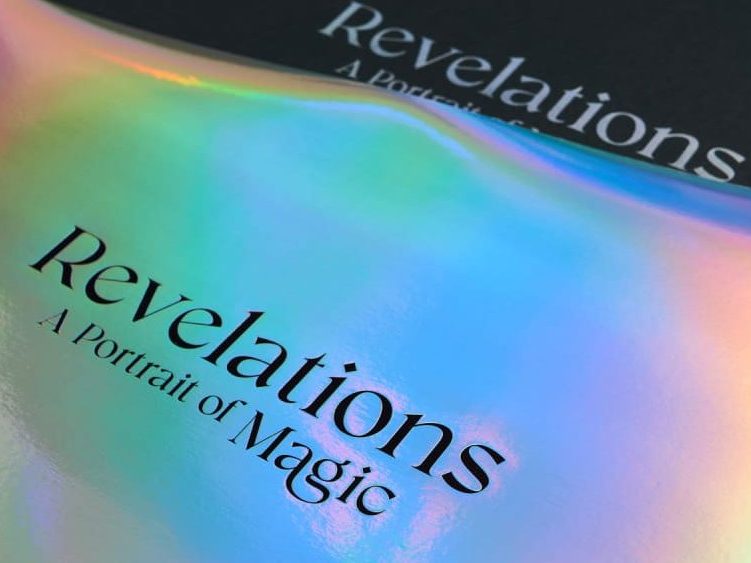
Visual Design Creates Unique Recognition
In packaging design, color serves an aesthetic purpose while also directly influencing the expression of the brand’s emotional tone. Establishing a signature color system enables consumers to quickly form a consistent brand association, thereby enhancing recognition efficiency.
- Color systems highlight brand personality:A signature color system allows consumers to rapidly establish a stable brand association, improving recognition efficiency.
- Graphic design boosts distinctiveness:Graphic elements are crucial to visual expression; well-conceived patterns can quickly convey product attributes and brand style. Incorporating unique symbols or stylized elements into the design effectively avoids the pitfalls of homogenization.
Once a graphic design establishes a consistent style, users can instantly recognize the brand upon future encounters, thereby increasing brand identification and market recall.
Structural Innovation Enhances Product Experience
Packaging structure dictates the product’s visual presentation and directly impacts the user experience; thus, structural design plays a pivotal role in creating differentiation.
- Creative box shapes enhance uniqueness
Breaking away from conventional box shapes during the structural design phase creates a highly distinctive visual identity. A unique structure not only offers visual novelty but also helps the product stand out from competitors.
- Functional design improves ease of use
Structural design must balance aesthetics with practical usability; details such as opening mechanisms, internal partitioning, and storage logic significantly influence the user experience. Thoughtful functional design reduces complexity and ensures smooth operation.
When packaging offers superior convenience, the user’s overall perception of the product improves, fostering greater brand affinity and increasing the likelihood of repeat purchases.
Material Selection Reflects Brand Positioning
Materials form the foundation of packaging quality; the tactile and visual effects conveyed by different materials directly influence how consumers perceive the brand’s positioning.
- High-quality materials elevate perceived value:Selecting materials with a premium feel in packaging design can instantly upgrade the product’s overall visual stature, steering the brand image toward a more high-end and professional profile. Factors such as material thickness, sheen, and texture shape the user’s initial impression.
- Specialized techniques enhance the tactile experience:Applying processes like embossing, hot stamping, or spot UV coating to base materials further refines the packaging’s sophistication and tactile appeal. These detailed design elements foster a greater sense of interaction between the user and the packaging.
Rich craftsmanship details not only add visual depth but also allow consumers to sense the brand’s dedication through touch, thereby strengthening their overall affinity for the brand.
Brand Expression Reinforces Brand Recall
Clear and consistent brand expression is crucial for establishing long-term, distinctive recognition and helps sustain the brand’s market influence.
- Consistency in the visual identity system
Packaging design requires consistency in logo placement, typography, and visual elements to establish a stable brand identity system. A unified design approach reduces the cognitive effort required for consumers to remember the brand.
- Series design builds a cohesive brand system
For brands with multiple product lines, using a unified design language to create a cohesive packaging series establishes visual connections between products, thereby building a comprehensive brand system.
A unified style across a product series enhances professionalism and expands brand influence, making it easier for consumers to form a holistic perception of the brand.
Customized packaging plays a pivotal role in differentiation; through the integrated optimization of visual design, structural innovation, material selection, and brand expression, products can achieve a clearer market positioning. A sound packaging strategy not only boosts product appeal and brand recognition but also enables the brand to stand out amidst homogenized competition and gradually establish a stable market advantage.

