
What are the innovative design trends in packaging printing?

With the continuous upgrading of the consumer market, packaging printing is no longer just a simple outer layer of product protection, but is gradually becoming an important carrier of brand expression and user experience. More and more companies are beginning to enhance the visual impact and functional experience of packaging through innovative design, thereby strengthening product competitiveness. Driven by digital printing technology, environmentally friendly materials, and personalized demands, the packaging printing industry is undergoing significant changes, and design trends are becoming more diversified and refined.
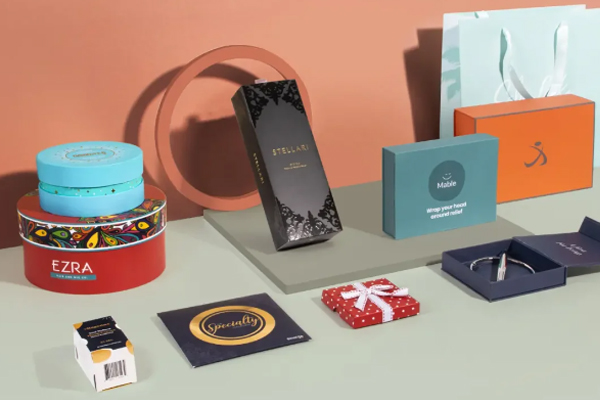
Visual Expression Emphasizes Brand Recognition
Modern packaging design increasingly emphasizes brand recognition, strengthening consumer memorability through color schemes, graphic symbols, and typographical structures. A unified visual language helps brands be quickly recognized on shelves, improving product identification efficiency. Some brands are adopting a minimalist design style, highlighting core information by reducing complex elements, giving the packaging a more premium feel. Meanwhile, some brands choose to enhance visual impact, attracting attention through high-contrast colors and bold graphics, enabling products to gain attention quickly. This visual strategy is becoming one of the important directions in packaging design.
Which Innovative Design Methods Are Widely Used?
Currently, the following design methods are frequently used in the packaging and printing industry:
- Spot UV coating: Enhances the three-dimensionality of key patterns.
- Hot stamping (gold/silver): Improves the texture and sophistication of packaging.
- Variable data printing: Enables personalized packaging customization.
- Transparent and semi-transparent structural designs: Enhance product display.
- Interactive QR code design: Connects to online content experiences.
These design methods not only improve visual appeal but also enhance the interactivity between packaging and consumers.
Environmentally Friendly Materials Drive Design Concept Upgrades
Environmental trends are profoundly influencing the development direction of the packaging and printing industry. More and more companies are adopting biodegradable materials, recycled paper, and environmentally friendly inks to reduce their environmental impact. At the design level, there is a gradual reduction in excessive packaging and complex structures, making overall packaging lighter and more sustainable. Environmental protection is not only reflected in material selection but also extends to design logic, such as reducing unnecessary decorative elements and improving material utilization. This change is becoming an important manifestation of brand social responsibility.
Digital and Intelligent Design Trends
The development of digital printing technology has made packaging design more flexible, enabling small-batch, multi-version, and rapid iterative production. Brands can quickly adjust packaging styles based on market feedback, improving product update efficiency. Simultaneously, intelligent packaging technologies are beginning to be applied, such as temperature-sensitive color-changing, humidity indicators, and anti-counterfeiting features, making packaging more than just aesthetic design; it also possesses information interaction capabilities. These technologies are gradually enhancing the practical value and technological appeal of packaging.
Continued Growth in Personalization and Customization Demands
Consumers’ demand for personalized products is constantly increasing, and packaging design is also moving towards customization. Different holidays, different consumer groups, and even different regions can have exclusive packaging versions. Companies understand user preferences through data analysis and combine this with variable printing technology to achieve rapid production. This approach not only enhances user engagement but also strengthens the connection between brands and consumers. Some brands have also launched limited-edition packaging designs, using scarcity to increase product appeal. As technology continues to mature, personalized packaging will become one of the important development directions in the future market.

