
Custom Packaging Box Solutions for Handmade Products

As handmade products increasingly gain market favor, consumers are placing greater emphasis on the craftsmanship and emotional expression behind them. Consequently, the role of packaging has shifted from mere protection to the communication of value and the shaping of the user experience. Given the unique character and “human touch” inherent in handmade goods, packaging design must align with these qualities; through customized solutions that harmonize materials, structure, and visual language, the product achieves greater consistency and distinctiveness across both its appearance and the user experience. Well-designed packaging not only ensures safe transport but also elevates the unboxing experience, thereby strengthening the overall brand impression and consumer appreciation of the product’s value.
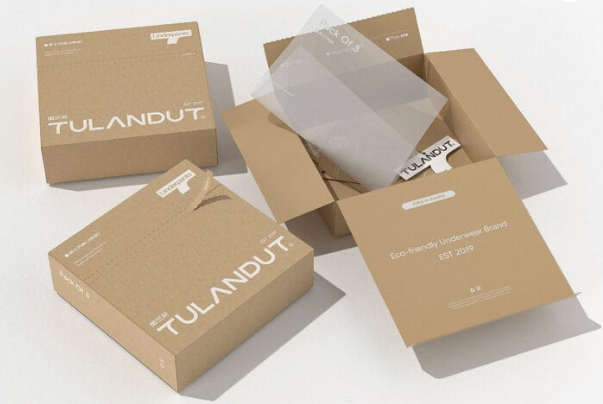
Highlighting Handcrafted Quality and Brand Identity
In packaging design for handmade products, the overall stylistic expression often determines the user’s first impression; therefore, visual language and details must be unified and accentuated.
- Natural styles reinforce the handcrafted nature:Adopting a visual style that evokes nature and raw textures allows the packaging to effectively convey the authenticity and warmth of handmade craftsmanship, enabling consumers to sense the product’s unique character even before handling it.
- Detail-oriented design reflects the maker’s care:Incorporating details such as textures, labels, and handwritten-style elements further emphasizes the handcrafted nature of the product, adding depth and a sense of exclusivity to the overall design.
While seemingly minor, these details enhance the overall visual experience, allowing consumers to perceive the care invested by the brand and thereby increasing their appreciation of the product’s value.
Structural Design Balancing Protection and Presentation
Handmade products are often fragile or uniquely shaped; thus, structural design must balance transport safety with visual presentation to ensure the packaging performs effectively across various scenarios.
- Internal securing minimizes transit damage:During the structural design phase, incorporating inserts, slots, or support structures effectively minimizes movement and impact during transport, thereby reducing the risk of damage.
- Unboxing design enhances presentation:Features such as tiered structures or progressive opening mechanisms foster a sense of engagement and anticipation for the user, lending a ceremonial quality to the product reveal.
This enhanced experience boosts the product’s appeal and creates a memorable impression at the moment of unboxing, ultimately increasing overall customer satisfaction.
Material Selection Reflects Sustainability and Tactile Quality
In the packaging of handcrafted products, materials influence not only the visual presentation but also directly impact brand positioning and consumer perception; therefore, a balance must be struck between environmental sustainability and tactile quality.
- Eco-friendly materials elevate the brand image
Prioritizing recyclable or natural materials aligns with current trends in green consumption and allows the brand to project an image of social responsibility.
- Materials with tactile quality enhance the visual experience
Selecting paper materials with distinct textures or unique tactile qualities adds depth to the packaging—both visually and physically—thereby elevating the overall sense of quality.
This enhanced tactility fosters a perception of premium quality when consumers handle the packaging, indirectly increasing the perceived value of the product.
Brand Expression Strengthens Product Memorability
Clear and consistent brand expression during market communication helps establish a stable perception of the product, thereby improving long-term recall.
- Logo design improves recognizability
Standardizing logo placement, typography, and visual symbols ensures consistency across different products, making the brand easier to recognize at a glance.
- Packaging series create a cohesive brand system
Applying a unified design language across various products allows for the gradual development of a complete visual brand system, creating a sense of connection between the products.
This systematic approach reinforces the brand’s overall identity, making it easier for consumers to build long-term recognition and trust.
Custom packaging for handcrafted products serves not merely as a protective shell but as a vital medium for emotional expression and brand communication. Through comprehensive optimization of tactile quality, structural design, material selection, and brand systems, products can better showcase their artisanal value and uniqueness, thereby enhancing the user experience and market acceptance. In an era of evolving consumer preferences, a well-conceived packaging strategy will be a key factor in establishing a competitive advantage for handcrafted products.

