
What Are the Common Color Schemes for Cosmetic Packaging Box Design?

In the beauty industry, packaging boxes not only serve the function of protecting products but also act as an important showcase for brand image and product positioning. When consumers see products on store shelves, e-commerce pages, or social media, the first thing they often notice is the packaging color. Therefore, a well-planned color scheme can help brands quickly attract target customers, improve product recognition, and communicate brand values and product benefits.Different colors create different psychological impressions for consumers. The color scheme of a packaging box should not only match the characteristics of the product but also remain consistent with the brand style. At the same time, factors such as the target audience’s age, aesthetic preferences, and usage scenarios should also be considered. A successful cosmetic packaging box design often relies on a scientifically balanced color combination. Through the coordinated use of primary colors, secondary colors, and accent colors, packaging can achieve greater depth and visual appeal. The following sections introduce common color schemes used in cosmetic packaging design and their application characteristics from multiple perspectives.
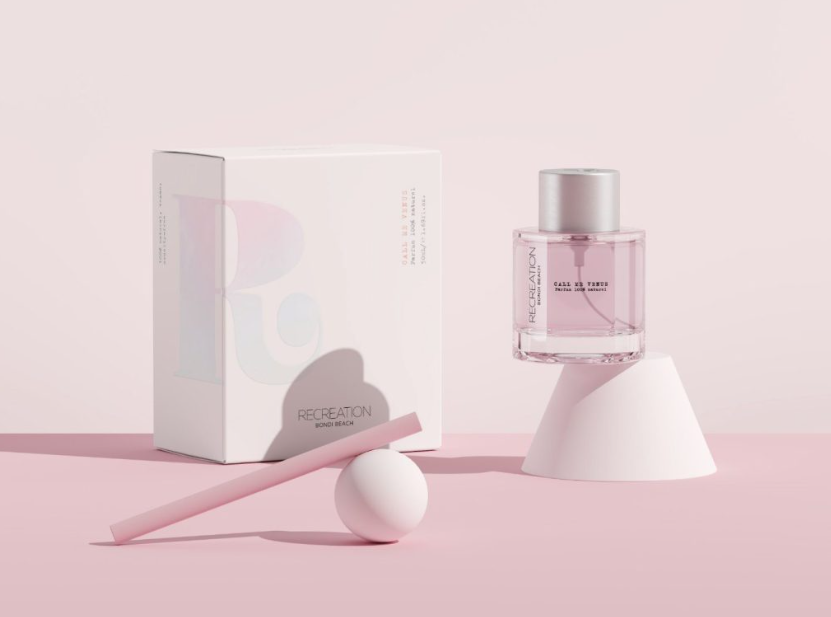
Classic Cosmetic Packaging Color Schemes
In cosmetic packaging design, some classic color combinations are frequently used because of their stable visual impact and broad market acceptance.
- Pink Color Combinations
Pink is one of the most common colors used in women’s beauty products, conveying a soft, sweet, and youthful brand image. Common combinations include pink with white, rose gold, or light gray.
- Black and Gold Combination
The combination of black and gold creates a premium, luxurious, and professional visual impression. Therefore, it is often used for high-end skincare products, makeup gift sets, and limited-edition collections.
- White Color Combination
White represents cleanliness, simplicity, and purity. It is suitable for gentle skincare products, medical-grade skincare products, and products designed for sensitive skin.
- Green Color Combination
Green strengthens concepts such as nature, organic ingredients, and environmental friendliness. It is widely used in botanical skincare products, essential oils, and eco-friendly product lines.
Brand Impressions Conveyed by Different Colors
Colors not only influence packaging aesthetics but also shape consumers’ first impressions of a product.
| Color | Common Meaning | Suitable Products |
| Pink | Gentle, romantic, youthful | Makeup, fragrances, skincare |
| Black | Premium, mysterious, professional | Luxury cosmetics, men’s skincare |
| White | Simple, pure, safe | Medical skincare, sensitive skin products |
| Green | Natural, eco-friendly, healthy | Botanical skincare, organic products |
| Blue | Technological, refreshing, professional | Functional skincare, men’s grooming |
| Gold | Luxurious, premium, high-quality | Gift boxes, premium product lines |
| Purple | Elegant, mysterious, sophisticated | Anti-aging products, luxury skincare |
When selecting colors, brands should align them with product positioning rather than focusing solely on visual appeal.
Comparison of Different Color Scheme Effects
Different color combinations create different brand personalities. A pink-and-white combination presents a more lively and youthful style, making it suitable for younger consumers. In contrast, the combination of black and gold emphasizes quality and premium positioning, making it ideal for mature consumer markets.A green-and-beige combination highlights natural and botanical concepts, encouraging consumers to associate the product with health and safety. By comparison, a blue-and-silver combination creates a stronger sense of technology and innovation, making it suitable for products that emphasize ingredient research and professional efficacy.From a visual communication perspective, warm colors tend to attract attention more easily, while cool colors help establish a professional and trustworthy brand image. Therefore, brands should choose color schemes based on product selling points and target audiences.
Frequently Asked Questions About Packaging Color Schemes
Q: Is it better to use more colors in cosmetic packaging?
A: Not necessarily. Too many colors can create visual clutter and reduce brand recognition. Generally, limiting the design to two to four primary and secondary colors creates a more harmonious appearance.
Q: Must high-end cosmetic packaging use black-and-gold color schemes?
A: No. Although black and gold are classic premium combinations, white and gold, silver gray, dark blue, and similar color schemes can also effectively convey a luxury image.
Q: What colors do younger consumers prefer?
A: Younger consumers often favor pink tones, cream colors, Morandi color palettes, and gradient designs, as these colors align well with modern aesthetic trends.
Q: Must natural skincare products use green packaging?
A: Not necessarily. Natural tones such as beige, wood colors, and light brown can also effectively communicate environmental and natural concepts.
Common Cosmetic Brand Color Scheme Examples
For hydrating skincare products, many brands use blue-and-white color schemes. Blue conveys a refreshing and moisturizing feeling, while white represents purity and safety. Together, they strengthen the product’s hydration-related benefits.For anti-aging product lines, packaging often features dark purple combined with gold. Dark purple conveys mystery and quality, while gold enhances the premium image, making consumers more likely to associate the product with a high-value skincare experience.Children’s skincare products tend to use soft colors such as light blue, light pink, and pale yellow. These friendly and approachable colors help build consumer trust through a gentle visual experience.In recent years, many emerging beauty brands have adopted Morandi color palettes in their packaging. Low-saturation colors such as dusty pink, muted green, and gray-blue not only convey sophistication but also align with modern consumers’ preference for minimalist aesthetics.
For cosmetic packaging box design, color is not merely a visual element but also an important language of brand communication. The first impression consumers form within a short period is largely influenced by the information conveyed through packaging colors. An excellent color scheme can improve product recognition, strengthen brand recall, and help consumers quickly understand product positioning. For example, natural skincare products emphasize environmental friendliness, luxury cosmetics highlight sophistication, and functional skincare products focus on professionalism—all of which can be expressed through color. Therefore, during the design process, it is important not only to consider whether colors look attractive but also whether they align with brand positioning, product characteristics, and the aesthetic preferences of the target audience. Only by balancing visual appeal and brand communication value can packaging truly fulfill its purpose.
Cosmetic packaging box design offers a wide variety of color schemes. Different colors and combinations can present entirely different brand identities. From the youthful energy of pink-and-white combinations to the luxurious sophistication of black and gold, and the natural environmental appeal of green palettes, each color scheme has its own suitable applications and target consumer groups. Brands should prioritize product positioning, market demand, and consumer preferences rather than blindly following trends. Effective color matching not only enhances packaging aesthetics but also strengthens brand recognition and market competitiveness. A successful cosmetic packaging design should possess strong visual appeal while accurately communicating product value through color. When colors and brand philosophy work together harmoniously, packaging can truly become an important vehicle for product marketing and brand communication, leaving a memorable and positive impression on consumers.

