
What Is the Process of Customizing Packaging Boxes?

In brand promotion and product sales, packaging not only protects products but also influences consumers’ first impression of a brand. More and more businesses are choosing custom packaging boxes to create packaging that better matches their products and brand identity through personalized designs, material selection, and customized finishing techniques. However, for companies ordering customized packaging for the first time, the specific process may not always be clear. Understanding the complete customization process helps businesses plan ahead, improve communication efficiency, and ensure the final packaging meets their expectations.
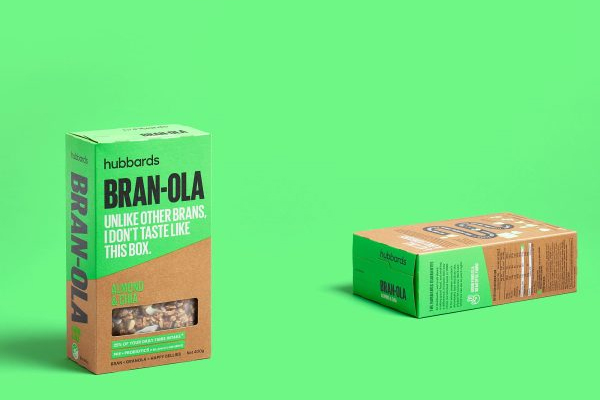
What Needs to Be Confirmed Before Custom Packaging Box Production?
The first step of packaging customization is defining product requirements. Different products vary in size, weight, usage scenarios, and sales channels. Only by confirming these details in advance can businesses develop a packaging solution that better fits their products.
The initial confirmation process usually includes:
- Determining product dimensions, order quantity, and packaging usage scenarios for future structural design
- Defining brand style, target customers, and the visual effect the packaging should achieve
- Confirming budget range and expected production timeline to create a practical plan
The more detailed the requirements are at the beginning, the smoother the later design and production process will be, reducing unnecessary modifications and delays.
What Should Be Considered During the Packaging Box Design Stage?
After requirements are confirmed, the design team develops packaging concepts based on product features. A successful packaging design needs to consider not only visual appearance but also product protection, transportation convenience, and customer experience.
Important design considerations include:
- Creating suitable box structures based on product shape to improve protection and fitting
- Incorporating brand logos, colors, and graphic elements to strengthen brand recognition
- Planning opening methods, internal structures, and display effects to enhance user experience
- Selecting design styles according to market positioning so the packaging matches the product value
A well-designed custom packaging box should balance aesthetics and functionality, allowing the packaging to showcase brand characteristics while meeting practical usage requirements.
What Are the Production Steps for Custom Packaging Boxes?
Once the design is approved, the project moves into the production stage. This process involves material selection, printing, finishing, structural processing, and quality inspection. Each step can affect the final packaging result.
Common production steps include:
- Selecting suitable paper, board, or other packaging materials according to the design plan and preparing them for processing
- Applying printing, lamination, foil stamping, embossing, and other finishing techniques to complete the exterior design
- Performing die cutting, folding, gluing, and assembly to create the finished packaging structure
During production, manufacturers usually conduct quality inspections based on order requirements to ensure consistency in size, color, and craftsmanship across all packaging units.
What Should Be Checked Before Receiving Custom Packaging Boxes?
Completing production does not mean the entire customization process is finished. Final inspection and confirmation before delivery are also important steps that help identify potential issues and ensure the packaging meets sales requirements.
Key points to focus on include:
- Checking whether the packaging size matches the product requirements and avoids usage problems
- Confirming that printing colors, surface finishes, and brand information meet expectations
- Testing structural stability to ensure sufficient protection during transportation
- Optimizing future orders based on actual feedback to improve long-term cooperation efficiency
A complete inspection process helps reduce potential issues during use and provides businesses with a more reliable customization experience.
The custom packaging box process usually includes requirement confirmation, design planning, production processing, and quality inspection. Different businesses have different needs for packaging functions and visual effects, so careful planning at every stage is essential. Choosing a professional packaging supplier can help brands reduce communication costs and receive packaging solutions that better match market demands. InsPackaging provides professional packaging customization solutions, offering full-process support from design to production to help brands create high-quality packaging boxes with stronger market competitiveness.

