
What Are the Different Methods for Printing Logos on Packaging Boxes?

When businesses create product packaging, the logo is usually placed in the most noticeable position. After all, the logo is often the first thing consumers notice when they pick up a package. If the logo looks blurry, fades easily, or lacks quality, it can reduce the perceived value of the entire product. On the other hand, a well-printed logo can make even a simple package look more professional and memorable. Today, packaging box printing offers a wide range of logo printing techniques, each with its own advantages and ideal applications. Understanding these options makes it much easier to choose the right solution for your products.
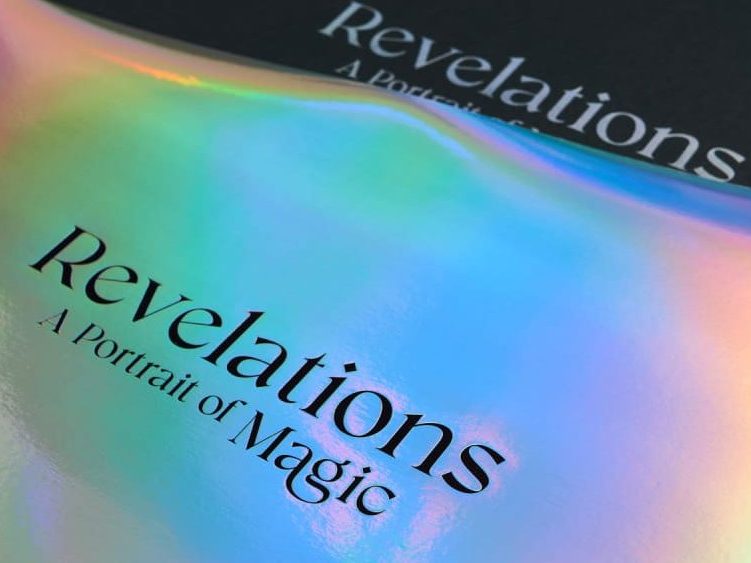
Why Does Logo Printing Matter for Packaging?
Many people think a logo is just a small graphic on a box, but it actually serves several important purposes. It helps customers recognize the brand, communicates product quality, and strengthens the overall appearance of the packaging. In a competitive market, consumers often make quick decisions, and a well-produced logo can leave a lasting first impression.
Key benefits include:
- A professionally printed logo improves brand recognition and makes products easier to remember.
- Logo printing helps communicate the product’s positioning and creates a strong first impression.
- High-quality logo finishes add texture and refinement, making the entire package look more premium.
Although a logo occupies only a small area of the package, it has a significant impact on how consumers perceive the brand. That’s why it should be considered an essential part of the overall packaging design rather than an afterthought.
What Are the Most Common Logo Printing Methods?
There are many ways to print logos on packaging boxes today, and each method creates a different visual effect and texture. Instead of simply choosing the most expensive option, businesses should select a technique that matches their product and brand image.
Popular logo printing methods include:
- Offset Printing: Delivers accurate color reproduction and is ideal for high-volume packaging production.
- Foil Stamping: Gold or silver foil creates a metallic finish that makes logos stand out on gift boxes, wine boxes, and luxury packaging.
- Spot UV Printing: Adds a glossy finish to selected logo areas, creating stronger visual contrast and depth.
- Embossing and Debossing: Produces raised or recessed logo effects that add dimension and a premium tactile experience.
There is no single “best” printing method. Some brands use one technique, while others combine multiple finishes to create packaging with richer visual layers and stronger brand identity.
How Should Different Products Choose the Right Logo Printing Technique?
The same logo printing method may produce very different results depending on the type of product. Packaging should always complement the product instead of focusing only on decorative effects. Too many special finishes can sometimes make the design feel cluttered rather than premium.
Here are a few practical suggestions:
- Cosmetic packaging often looks more refined with Spot UV or foil stamping to highlight elegant branding.
- Food packaging usually benefits from offset printing combined with subtle finishing techniques for a clean, approachable appearance.
- Wine, gift, and jewelry packaging often uses embossing or foil stamping to create a stronger sense of luxury.
The most effective packaging is not the one with the greatest number of printing effects. Instead, it is the one where the logo, graphics, colors, and box design work together to create a consistent brand image.
What Details Are Often Overlooked During Logo Printing?
Many businesses focus primarily on selecting a printing technique while overlooking small details that can significantly affect the final packaging quality. Spending extra time on these details before production can reduce costly revisions and ensure better results.
Important points to remember include:
- Use vector logo files to maintain sharp image quality at any size.
- Verify printing colors in advance to ensure they accurately match the official brand colors.
- Select printing techniques that are compatible with the chosen packaging material for the best visual results.
- Produce a physical sample before mass production to confirm logo size, placement, and overall appearance.
Packaging box printing involves much more than simply placing a logo on a box. Every production step contributes to the final quality. Careful planning and attention to detail help ensure that the finished packaging meets both brand expectations and customer standards.
Although a logo is only one element of a package, it plays a major role in shaping consumers’ first impressions of a brand. When planning packaging box printing, businesses should choose logo printing techniques that match their products, budget, and brand positioning while paying close attention to production details. The right printing solution can improve packaging quality, strengthen brand recognition, and help products stand out in the marketplace. InsPackaging specializes in custom packaging and printing solutions, offering professional design, prototyping, and manufacturing services to help brands create packaging that is both visually appealing and highly functional.

