
How to Choose the Right Packaging Box Material?

When creating custom packaging boxes, many businesses focus on packaging design and printing effects, but material selection is equally important. The material used for a packaging box not only affects its appearance but also influences product protection, transportation safety, and the overall impression customers have when they receive the product. For example, food packaging focuses more on safety, gift packaging emphasizes texture and premium appearance, while electronic product packaging requires stronger protection. Different products have different needs, so it is not always true that thicker or more expensive materials are better. Choosing the right packaging box material means finding a solution that matches the product features and brand positioning, creating packaging that is both attractive and practical.
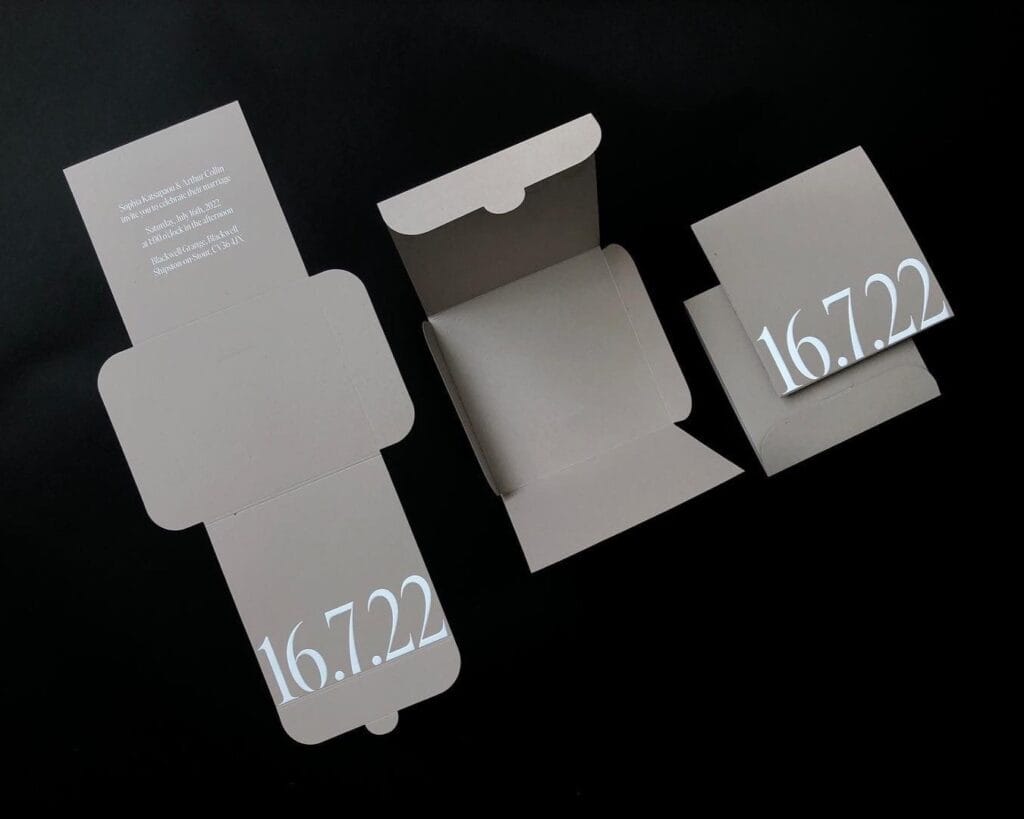
Start with Product Requirements and Choose Suitable Packaging Materials
Different products have different packaging requirements. Some products need stronger protection against pressure and impact, while others focus more on creating a premium appearance. When selecting packaging materials, the first step is understanding the product itself instead of only considering the price.
Common choices include:
- Food packaging usually uses white cardboard or food-grade paper materials, which provide good printing results while meeting safety requirements.
- Cosmetics, jewelry, and gift products are often suitable for greyboard and specialty paper materials, which can create a more elegant and premium appearance.
- Electronic products and industrial components often require stronger materials, such as corrugated cardboard or rigid paperboard, to provide better protection.
Simply put, packaging materials need to match the product. Lightweight products may only require attractive presentation, while products that need long-distance transportation should prioritize durability and strength.
Understand the Features of Different Packaging Box Materials
There are many types of packaging materials available today, and each one has its own advantages. Understanding the characteristics of different materials can help businesses find the most suitable option when customizing packaging boxes.
Common packaging materials include:
- White cardboard has a smooth surface and excellent color reproduction, making it suitable for food boxes, skincare packaging, and daily product packaging.
- Greyboard offers strong rigidity and creates sturdy boxes, making it commonly used for premium boxes and gift packaging.
- Corrugated cardboard provides strong resistance to pressure and is ideal for shipping packaging where product protection is important.
- Specialty paper features unique textures and a premium feel, making it suitable for brands that want distinctive packaging.
Different materials create different packaging experiences. For the same product, using different materials can create noticeable differences in appearance and perceived value. Businesses should make choices based on their budget, product positioning, and sales environment.
Technical Specifications: Material Weight, Flutes, and Strength
When choosing packaging box materials, understanding precise technical specifications ensures both high-end appeal and product protection:
- Paperboard (Cardstock): Best for lightweight retail displays and daily product packaging.
- Corrugated Cardboard: Designed for heavy-duty shipping and protective packaging, with common flute options including B, C, E, and F types to balance strength and printability.
- Double-Wall Corrugated: Strongly recommended for products weighing over 10kg to provide sufficient strength during long-distance transport.
- Greyboard (Rigid): The top choice for high-value, luxury gift boxes.
- Grammage Standard: For single-layer cardstock, choosing 350gsm or higher is required to achieve a thick, sturdy, and premium felt quality.
Matching these material specs with your budget and transit requirements guarantees that your customized packaging remains both visually impressive and structurally durable.
Choose Material Strength and Structure Based on Usage
Packaging boxes need to look good, but they also need to meet practical requirements. Some businesses focus only on design and overlook transportation and usage conditions, which may result in damaged or deformed packaging.
When selecting materials, consider:
- If products require long-distance shipping, choose stronger materials to improve protection.
- If packaging is mainly used for gifts, consider rigid boxes or premium box structures with better texture.
- If products are heavy, select thicker materials with stronger support.
- If the packaging needs to be opened and used frequently, consider whether the structure is convenient.
For example, chocolate and tea packaging often focuses on creating a refined appearance, while industrial products or e-commerce shipping packages need more durability and stability. Choosing materials based on the actual usage environment can create better packaging performance.
Choose Packaging Materials That Match Your Brand Style
Packaging boxes are not only tools for protecting products but also a way for brands to express their identity. When consumers see packaging, they often judge product value through the material, color, and overall design. Therefore, businesses should also consider what kind of image they want to communicate when choosing materials.
Businesses can consider the following:
- Premium brands can choose specialty paper, rigid boxes, and other high-quality materials to enhance product value.
- Younger brands can combine eco-friendly materials with simple designs to highlight brand concepts.
- Select suitable materials based on printing requirements to achieve better results for colors, logos, and graphics.
- Follow environmental trends by choosing recyclable or sustainable packaging materials to improve brand image.
A good packaging box is not only visually appealing but also helps consumers understand the brand’s characteristics. The right combination of materials can become a competitive advantage for businesses.
There is no single perfect material for all packaging boxes. Different products and brands have different requirements. When customizing packaging boxes, businesses should consider product protection, sales methods, brand positioning, and budget before selecting materials. With the right material combined with professional design and printing techniques, companies can create packaging that is both attractive and valuable. InsPackaging specializes in custom packaging solutions, providing packaging design, material selection, sampling, and manufacturing services to help brands create high-quality packaging boxes that meet market needs.

