
What Are the Advantages of Embossed and Debossed Printing Packaging Boxes?

As product packaging competition becomes increasingly intense, consumers now expect more than just packaging that can hold products. A unique packaging box can attract attention and show that a brand values quality. Embossed and debossed printing is a popular finishing technique that creates raised or recessed effects on the surface of packaging, making patterns, text, and brand logos more noticeable. In packaging box printing, applying embossing techniques properly can improve visual appeal, add depth, and enhance the overall presentation, especially for products that require premium packaging, such as gifts, cosmetics, jewelry, and wine.
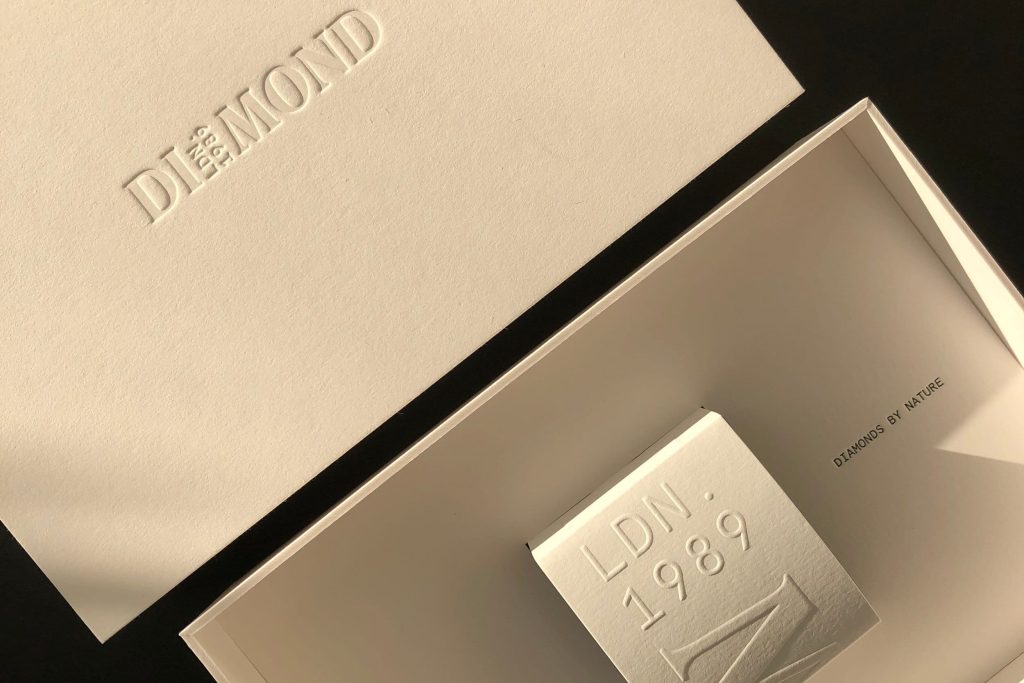
Improve Visual Appeal and Make Packaging More Eye-Catching
Compared with standard flat printing, embossed and debossed printing creates three-dimensional changes on the packaging surface, making designs look more refined. When consumers see the product, the raised or recessed effects can quickly attract attention and improve packaging recognition.
Key advantages include:
- Highlight brand logos and important information.
- Add depth to graphics and create a three-dimensional effect.
- Help packaging stand out from ordinary printed boxes.
For example, using embossed printing on gift packaging boxes can emphasize brand names or decorative patterns, creating a more premium appearance. For brands looking to improve product positioning, this technique can help create a stronger visual impression.
Enhance Tactile Experience and Improve Perceived Quality
Packaging is not only a visual display but also the first physical interaction between consumers and a product. Embossed and debossed printing changes the surface texture of packaging, giving customers a more noticeable tactile experience when holding the box.
The benefits include:
- Adding unique surface textures to packaging.
- Improving the sense of quality when customers handle the product.
- Making brand details easier to recognize.
Compared with ordinary packaging boxes, products with embossed effects are more likely to leave a lasting impression. Especially for premium products, touch can influence how consumers perceive product value. Well-designed packaging details can strengthen a brand’s professional image.
Combine Different Printing Techniques to Create Richer Packaging Effects
Embossed and debossed printing does not have to be used alone. It can be combined with other packaging box printing techniques to create more diverse visual effects. Proper combination of different processes can make packaging designs better match brand positioning.
Common combinations include:
- Combining embossing with foil stamping to create a premium look.
- Using embossing with UV printing to enhance specific areas.
- Pairing embossing with specialty papers to improve texture.
- Combining embossing with minimalist designs to highlight brand identity.
For example, applying foil stamping and embossing to a brand logo can create both a glossy finish and a three-dimensional effect, making the packaging more attractive. However, during the design process, finishing techniques should be used carefully to maintain overall balance and avoid excessive decoration.
Which Products Are Suitable for Embossed Printing Packaging?
Different products have different packaging requirements. Embossed and debossed printing is especially suitable for products that need to highlight brand value and improve customer experience. Choosing the right packaging technique can better showcase product advantages.
Suitable applications include:
- Premium gift packaging that requires a refined appearance.
- Cosmetic packaging that needs to improve brand positioning.
- Wine packaging that highlights product value.
- Jewelry packaging that creates a luxury atmosphere.
For these products, packaging is not only used for protection but also serves as a sales and display tool. Embossed printing strengthens product presentation through detailed finishing, helping consumers feel the quality and value a brand wants to communicate.
Core process parameters and applicable scenarios
| Process Type | Common Paperboard GSM / Material Parameters | Die & Temperature Requirements | Typical Applications |
| Standard Embossing / Debossing | 300gsm – 400gsm white cardboard, art paper; surface wrapping paper for premium gift boxes (typically 128gsm – 157gsm coated paper laminated onto grayboard). | Uses a pair of male and female metal dies (copper or brass dies), at room temperature or with slight heating (heating can help the paper fibers achieve better forming). | Brand logos, core slogans, product names, and localized geometric patterns. Commonly used for cosmetics, high-end electronics, alcoholic beverage, and luxury packaging. |
| Blind Emboss / Blind Deboss | Same as above, but requires higher fiber toughness and thickness uniformity of the paper. | No ink or hot stamping foil is required; the paper is shaped entirely through high pressure. | Minimalist, high-end eco-friendly packaging and solid-color specialty paper packaging (such as cotton pulp paper and soft-touch paper), emphasizing understated luxury. |
| Combo Embossing (Combo / Foil Emboss) | 300gsm and above paperboard or rigid cardboard gift boxes. | Requires the hot stamping and embossing dies to be integrated into one die, completing positioning, hot stamping, and three-dimensional forming in a single pressing operation. | Gift boxes, luxury cosmetics boxes, and jewelry boxes. Gives the logo both a gold/silver metallic finish and a 3D tactile effect, creating a strong visual impact. |
When creating embossed or debossed packaging boxes, single-layer cardstock typically needs a weight of 300 gsm or higher; otherwise, the intense mechanical pressure can easily cause the paper fibers to tear or crack at the edges. Opting for a blind embossing design without any printing ink means the entire shaping process relies purely on physical pressure with no chemical pigment residues left behind, creating a high-end feel that is also much more aligned with eco-friendly recycling standards. Meanwhile, in layout design, when fonts are too small or lines are thinner than 0.1 millimeters, the paper fibers cannot fully fill the die cavities under pressure or tend to spring back, often resulting in blurred and unclear embossed impressions.
Embossed and debossed printing is an effective packaging technique that improves product presentation by adding visual depth and tactile appeal. In packaging box printing, the proper use of embossing can help brands highlight their identity and increase product attractiveness. For businesses looking to create premium packaging, selecting the right printing methods and finishing techniques is essential. InsPackaging specializes in custom packaging solutions, providing packaging design, packaging box printing, sampling, and manufacturing services to help brands create packaging products with stronger market competitiveness.

