
How to Reduce the Cost of Custom Packaging Boxes?

For many businesses, custom packaging boxes need to not only protect products but also present the brand image. However, during the purchasing process, packaging costs are often affected by multiple factors, including materials, order quantity, design, printing methods, and production processes. Some companies try to save money by choosing low-cost solutions, only to find that the packaging quality does not meet their expectations. Reducing the cost of custom packaging boxes does not mean simply using cheaper materials or lowering quality. It means optimizing planning and production methods while maintaining packaging performance, allowing businesses to get better value from every investment.
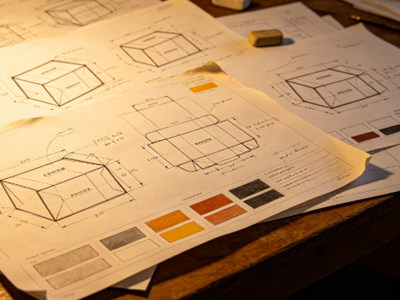
Plan Packaging Requirements Properly to Avoid Unnecessary Costs
Many packaging costs increase not because production prices are high, but because requirements are not clearly planned in the early stage, leading to repeated modifications or additional expenses. Defining product needs and usage scenarios before ordering custom packaging boxes can help control the budget effectively.
Important considerations include:
- Confirm box dimensions to avoid excessive design.
- Plan order quantities in advance to reduce repeated production.
- Define packaging purposes and choose suitable structures.
For example, if a small product uses an oversized packaging box, it will not only increase material costs but also raise transportation expenses. Proper size planning can reduce waste while improving the overall packaging appearance.
Choose Suitable Materials and Printing Techniques to Balance Quality and Cost
Packaging materials and production techniques are major factors affecting overall costs. Different paper types, printing methods, and finishing processes can create significant price differences. When purchasing packaging, businesses do not need to choose the most complicated effects but should select solutions based on product positioning.
Cost control methods include:
- Select paper materials according to product requirements.
- Combine printing techniques reasonably.
- Reduce unnecessary special finishes.
For example, premium gift packaging may require more finishing processes to improve visual appeal, while regular retail packaging can use more practical designs. Adjusting material and process combinations allows businesses to maintain packaging quality while reducing production expenses.
Increase Order Planning and Production Quantity to Reduce Unit Costs
Custom packaging boxes are usually produced in batches, and order quantity directly affects the cost per box. Proper production planning can help businesses achieve better pricing.
Businesses can consider:
- Estimate long-term packaging needs in advance.
- Increase order quantities when possible.
- Reduce frequent small-volume orders.
During packaging production, manufacturers need to invest in design preparation, plate making, and machine setup. When order quantities increase, these fixed costs can be distributed across more products, reducing the average cost of each packaging box.
Choose Reliable Suppliers to Reduce Additional Expenses
Reducing packaging costs is not only about finding the lowest quotation. Supplier capabilities also play an important role. A low-cost supplier with limited experience may cause quality issues, resulting in additional costs from rework or repurchasing.
When selecting a supplier, consider:
- Review the manufacturer’s actual production cases.
- Check whether the production process is complete.
- Confirm delivery time and quality control standards.
- Build long-term cooperation with reliable suppliers.
Experienced packaging suppliers can often provide optimization suggestions based on product requirements, helping businesses reduce design adjustments and production mistakes. Long-term cooperation can also lead to more reasonable pricing and improved purchasing efficiency.
Specific Cost-Reduction Methods and Margins
When purchasing and designing custom packaging, businesses often struggle with budget overruns. To achieve effective savings without sacrificing product protection or brand image, mastering core optimization methods is essential. Through scientific and refined planning, you can not only cut unnecessary expenses but also reduce overall packaging and shipping costs to a reasonable range, thereby significantly increasing profit margins.
Precise Size Optimization: Tailoring box dimensions to the actual product needs to eliminate empty space and reduce fillers can lower overall packaging and shipping costs by 10% to 40%.
Switching to Basic Box Styles: Replacing complex structures with Regular Slotted Cartons (RSCs), which feature simple designs and high automation, can directly cut costs by about 50%.
Choose a suitable printing process: Choosing digital printing for quantities below the 5,000 to 10,000-box threshold eliminates high traditional plate-making and machine setup fees.
Utilizing Stock Dies: Using a packaging factory’s existing standard cutting dies completely avoids high custom tooling fees and shortens delivery lead times.
Controlling Hidden Overheads: Factoring tariffs, cross-border logistics surcharges, and inventory warehousing costs into your budget can effectively prevent budget overruns of around 20%.
Reducing the cost of custom packaging boxes requires optimization in design planning, material selection, production quantity, and supplier management. Effective cost control does not mean sacrificing packaging quality but finding a more efficient production solution while meeting product requirements. For businesses, a well-planned packaging strategy can reduce expenses while maintaining a strong brand presentation. InsPackaging specializes in custom packaging solutions, providing packaging design, packaging box printing, sampling, and mass production services to help brands create high-quality packaging products with competitive costs.

