
What Should You Pay Attention to When Designing Pharmaceutical Packaging Boxes?

Pharmaceutical packaging boxes are not only used to protect products but also serve as an important channel for consumers to understand brands and obtain product information. Compared with ordinary product packaging, pharmaceutical packaging has higher requirements for accuracy, clarity, and safety. When consumers receive medicine, the first things they notice are the text, graphics, and overall design of the packaging. A professional and easy-to-recognize package can reduce confusion during use and strengthen consumer trust in the brand. For pharmaceutical companies, excellent packaging box design should combine practical functions with visual appeal, creating packaging that matches product characteristics while presenting a reliable and professional brand image.
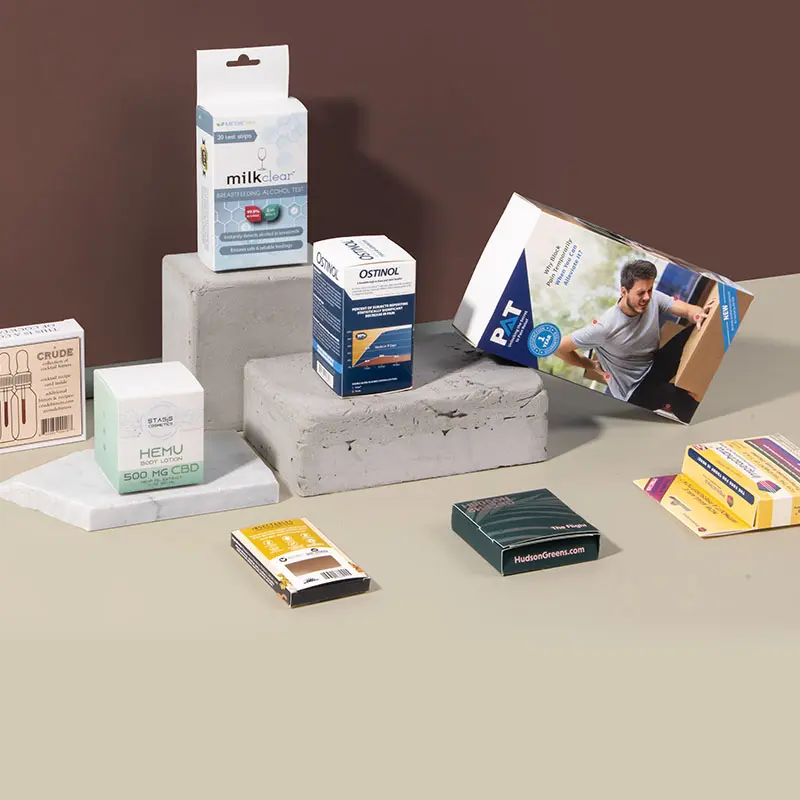
Plan Information Layout Properly to Make Products Easier to Recognize
Pharmaceutical packaging needs to display various types of information, including product names, specifications, and usage instructions. Poor layout design can make the packaging look cluttered and make important information harder to find.
Design considerations include:
- Highlight product names and brand information.
- Improve text layout for better readability.
- Separate primary and secondary information.
- Keep the overall design clear and organized.
Good pharmaceutical packaging design is not about placing all information together in one area. Instead, it uses proper visual hierarchy to help consumers quickly find the information they need. A clear information layout also shows that the brand pays attention to product details.
Choose the Right Design Style to Build a Professional and Trustworthy Brand Image
Pharmaceutical products are special, so packaging design should not focus only on attracting attention. It also needs to communicate safety, reliability, and professionalism. Suitable colors, graphics, and design styles can help consumers build a stable impression of the brand.
Important design factors include:
- Choose colors based on product characteristics.
- Maintain consistent brand design elements.
- Avoid overly complicated decorative elements.
- Highlight the professional nature of the product.
For example, medical products often use clean and reliable design styles, while children’s medicine packaging may include more friendly visual elements. Different product positioning requires different design approaches to ensure packaging meets the expectations of target consumers.
Optimize Packaging Structure to Improve Product Protection and User Experience
Besides visual presentation, pharmaceutical packaging also needs to meet practical requirements during transportation, storage, and daily use. A well-designed box structure can reduce product damage and make the packaging more convenient for consumers.
Structural design considerations include:
- Match packaging sizes with product dimensions.
- Improve box stability to reduce transportation issues.
- Create structures that are easy to open and store.
A reasonable packaging structure directly affects the experience after consumers receive the product. Especially for medicines used over a long period, packaging that is easy to handle and store can improve overall user satisfaction.
Combine Packaging Printing Techniques to Enhance Quality Presentation
Although pharmaceutical packaging focuses on functionality, printing quality also affects brand image. High-quality printing can make product information clearer and improve the overall appearance of packaging.
Optimization methods include:
- Maintain stable and consistent printing colors.
- Choose suitable paper materials to improve packaging texture.
- Use finishing techniques to highlight brand elements.
- Ensure consistent quality during mass production.
During actual production, packaging box printing quality is very important. Significant color differences or unclear text can affect consumers’ perception of brand professionalism. Choosing suitable printing methods and finishing techniques can help pharmaceutical packaging better meet market requirements.
Key Points on Pharmaceutical Packaging Regulations and Compliance
In modern the pharmaceutical industry, packaging is not merely a carrier of brand image, but the final, robust defense line for safeguarding patient safety and product quality. As global pharmaceutical regulatory systems continue to tighten, packaging design and printing processes face exceptionally high compliance thresholds. Practitioners must strike a seamless balance between complex international regulations, precise structural tolerances, and strict printing quality standards to ensure absolute safety and compliance of pharmaceuticals circulating in the global market.
When designing and producing pharmaceutical packaging boxes, the following core regulatory and technical standards must be strictly followed:
Manufacturing Quality Control and Traceability Compliance: Enterprises must comprehensively implement the FDA 21 CFR 210 through 211 cGMP regulations. Meanwhile, for the EU and UK markets, external packaging must legally feature an Anti-Tampering Device (ATD) and print a 2D Data Matrix traceability code complying with EU FMD standards, ensuring full supply chain transparency and safety.
Accessibility and Readability Design: Under EU/UK mandatory regulations, pharmaceutical outer packaging must feature embossed standard Braille to facilitate identification by visually impaired individuals. Additionally, the font size for core visual information (such as the generic name) is strictly regulated to be no less than 4.5 points, structurally eliminating medication errors caused by illegible text.
Printing Precision and Color Tolerance Control: To accommodate high-speed automatic cartoning lines and prevent confusion caused by batch-to-batch variations, outer box die-cutting tolerances must be strictly controlled within plus or minus 0.3 millimeters, while printing color differences must be maintained within a high-standard range where delta E is less than or equal to 2 to 3. Furthermore, the application of packaging colors must adhere to safety warning specifications (such as the warning application of specific reds), and brand visual consistency must be ensured through enterprise spot color standards.
Pharmaceutical packaging box design requires a balance between information communication, brand image, structural function, and printing quality. Excellent packaging box design not only protects products but also helps consumers recognize brands more easily and improves market competitiveness. In the pharmaceutical industry, professional packaging has become an important part of product value presentation. InsPackaging specializes in custom packaging solutions, providing packaging design, packaging box printing, sampling, and manufacturing services to help businesses create high-quality packaging that matches their product positioning.

