
How Can Packaging Box Printing Achieve a Premium Look?

Many brands want their products to look more premium when creating packaging, but the real difference often comes from whether the printing details are handled properly rather than simply adding more decorations. The same design file can produce completely different results depending on the paper, printing method, and finishing techniques used. Especially in industries such as gifts, food, cosmetics, and high-end retail products, packaging boxes have become an important touchpoint between consumers and brands. Creating a premium packaging appearance requires careful attention to design files, color control, printing techniques, and the overall production process. Excellent packaging box printing should not only make the package look attractive but also allow consumers to feel the product value through touch and usage.
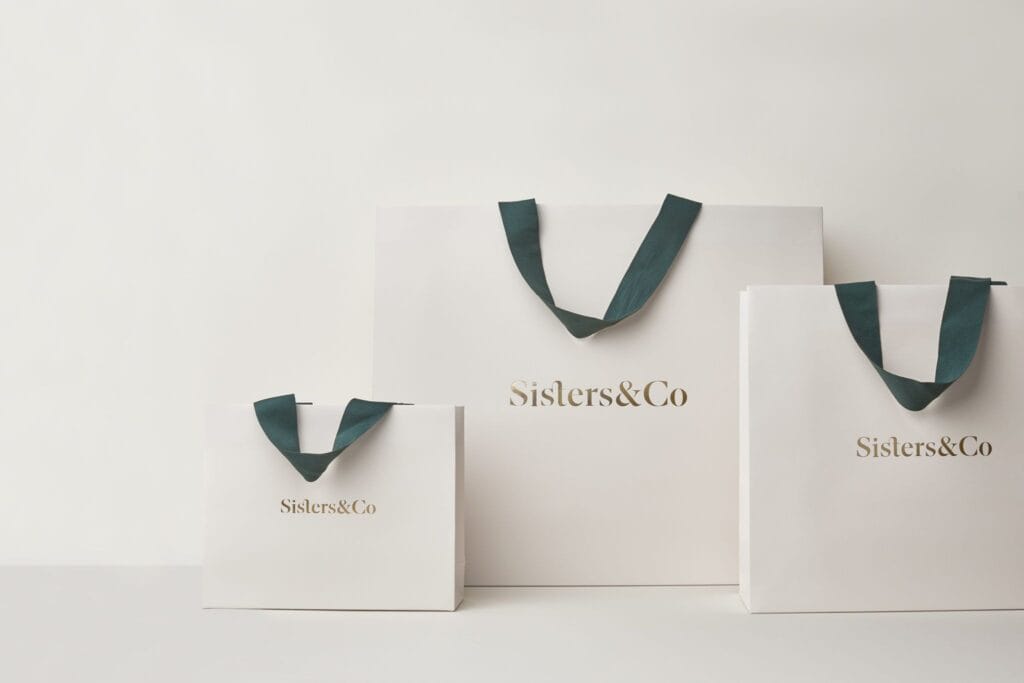
Prepare Design Files Properly to Ensure Stable Printing Results
The foundation of premium packaging is not how many finishing techniques are added later, but whether the original design is suitable for printing production. If there are problems with the design file itself, even advanced printing equipment may not achieve the expected result.
Important design considerations include:
- Control color modes to reduce noticeable color differences.
- Use high-resolution images to maintain details.
- Arrange text and graphics in suitable positions.
Many packaging printing problems are not caused by the factory but by insufficient preparation during the design stage. For example, colors displayed on screens may look different from printed colors on paper, while overly thin lines or small text may lose clarity during production. Checking files carefully and confirming samples in advance can help make mass production more consistent.
Choose the Right Paper Material to Improve Visual and Touch Experience
The premium feeling of packaging comes not only from graphic design but also from the physical experience when consumers hold the product. Different paper materials create different appearances and textures, so selecting suitable materials can make printing effects stand out more.
Common options include:
- Use high-quality paperboard to improve box strength.
- Choose specialty paper to create unique textures.
- Apply surface treatments to improve visual performance.
For instance, premium gift boxes often use rigid paperboard to create a stronger three-dimensional structure, while some brands choose textured paper materials to provide a more distinctive touch. Thicker paper is not always better. The right choice should match the product positioning, box structure, and printing plan.
Combine Printing Techniques Properly to Create More Visual Depth
To achieve a premium packaging effect, finishing techniques play an important role. Different techniques create different visual and tactile experiences. When used properly, they can transform ordinary packaging into a more refined product presentation.
Common techniques include:
- Foil stamping to highlight logos and key areas.
- Spot UV to create contrast between glossy and matte effects.
- Embossing to enhance surface texture.
- Lamination to protect printed surfaces.
In real production, using more finishing techniques does not always mean the packaging will look more premium. Too many effects may make the design feel crowded. A better approach is to create one main visual focus and add supporting techniques that maintain overall harmony.
Control Printing Details to Achieve High-End Quality
The difference between ordinary and premium packaging is often found in small details that are easy to overlook. Color consistency, cutting accuracy, and finishing alignment all affect how consumers judge packaging quality.
Production details to focus on include:
- Maintain color consistency between different production batches.
- Check cutting and box assembly accuracy.
- Inspect printing quality before delivery.
For products that require long-term sales, stable packaging quality is extremely important. If the first production batch looks excellent but later batches show obvious differences, it may affect brand perception. A professional packaging production process requires careful control during printing, processing, and quality inspection to ensure the final product meets expectations.
Premium Surface Finishing & Cost Estimates
Achieving a high-end look doesn’t necessarily mean exceeding your budget, provided you understand the cost structure of different surface techniques:
- Matte vs. Gloss Lamination: Matte film delivers a subtle, tactile elegance at virtually the same base cost as gloss film (or with a minimal uplift of +$0.20–$0.40/box depending on box volume and sheet size).
- Hot Foil Stamping: Cost scales directly with surface area, typically adding $0.07–$0.50/box for targeted metallic accents on logos or brand elements.
- Multi-Process Combination (Spot UV + Matte Lamination + Embossing): Combining soft-touch or matte lamination with selective spot UV and tactile embossing creates a rich, multi-layered visual depth. In scalable mass production, this dynamic combo adds an estimated $0.06–$0.30/box, delivering maximum visual premiumness for a highly controllable unit cost.
Achieving a premium effect through packaging box printing is not simply about adding several special finishes. It requires the coordination of design, materials, printing technology, and production details. A well-planned packaging box printing solution can help products perform better during display, sales, and customer use. For brands, packaging is not only part of the product appearance but also an important way for consumers to recognize the brand. InsPackaging specializes in custom packaging solutions, providing packaging design, packaging box printing, sampling, and mass production services to help brands create packaging products with stronger quality and market appeal.

