
What Needs to Be Confirmed Before Packaging Box Printing?

When many businesses start packaging box printing, they often think the process can begin once the design draft is finished. In reality, there are many details that need to be confirmed before production starts. A packaging box may look like a simple outer layer, but the actual manufacturing process involves size, paper material, colors, finishing techniques, and structural design. If these details are not communicated clearly in advance, problems such as different-than-expected colors, unsuitable box sizes, or poor finishing results may appear later. This not only wastes time but can also increase production costs. For products that rely heavily on appearance, such as food packaging, gift packaging, and cosmetic packaging, preparation before printing is especially important. Confirming key details early makes the production process smoother and helps create packaging that matches expectations.
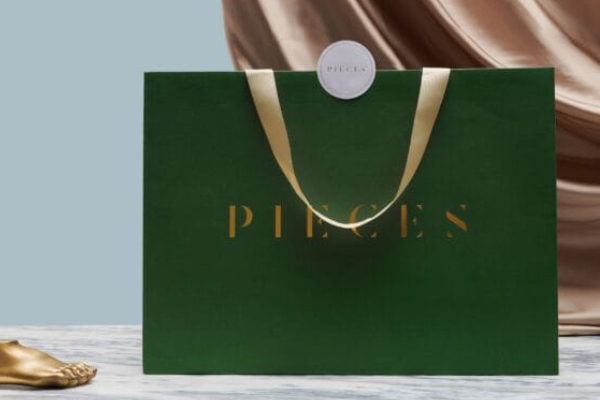
Check the Design File First to Prevent Small Issues from Affecting Printing Results
The first step before packaging box printing is not starting production immediately, but checking whether the design file meets printing requirements. Many unsatisfactory final results are not caused by printing equipment but by small issues that were missed during the design stage.
Before printing, pay attention to:
- Whether the file size matches the actual packaging dimensions.
- Whether image quality is high enough for printing.
- Whether text and logo positions may shift.
- Whether the selected colors are suitable for printing.
Many customers find that a design looks great on a computer screen but appears slightly different after printing. This happens because screen displays and printed colors are naturally different. If the packaging includes brand logos, special colors, or complex graphics, adjustments should be made in advance. Carefully checking the design file can prevent problems after production is completed.
Confirm Materials and Box Structure Early to Avoid Unsuitable Packaging
Packaging boxes should not only look attractive but also fit the actual product. Different products have different packaging requirements. Tea, chocolate, electronic products, and gifts all require different packaging solutions.
Important points for materials and structures include:
- Whether the paper thickness can support the product weight.
- Whether the box design is convenient to open and use.
- Whether the structure can withstand transportation.
Some businesses focus only on making packaging look premium but overlook practical use. For example, an oversized box increases material waste, while a box that is too thin may be damaged during shipping. Confirming materials and structures early helps create better packaging while reducing unnecessary changes later.
Confirm Printing Colors and Finishing Techniques to Match the Design Effect
The premium appearance of packaging often comes from printing details. Color accuracy and suitable finishing techniques can greatly influence how consumers feel when they first see the package. This makes color and process confirmation an important step before production.
This stage usually requires discussion about:
- The desired appearance of the main colors.
- Which areas need special finishing.
- Whether samples should be produced for approval.
Techniques such as foil stamping, UV coating, embossing, and lamination can change the visual effect and texture of packaging. However, different techniques suit different packaging styles, and adding more effects does not always create better results. Confirming key areas in advance allows finishing techniques to be used where they matter most while keeping production costs under control.
Confirm Production Standards to Keep Batch Quality Consistent
After sample approval, the process is not completely finished. Before moving into mass production, businesses still need to communicate production standards clearly. Otherwise, differences may appear between different production batches.
Before production, clarify:
- Packaging quantity and delivery schedule.
- Finished product inspection standards.
- Requirements for future repeat orders.
Many brands sell products over a long period, which means the same packaging may be produced multiple times. If the first batch has excellent printing quality but later batches show obvious color or finishing differences, it can affect customer experience. Setting clear quality standards with the packaging supplier helps ensure consistent production results and makes future cooperation easier.
Prepress Design File Verification Checklist
To avoid costly re-prints, unexpected edge clipping, or color discrepancies, ensure your design files meet these precise prepress technical specifications before approving for mass printing:
- Bleed Margin: Include a minimum bleed of ≥ 3mm for standard folding cartons; for heavy-duty corrugated or thick rigid boxes, increase the bleed to ≥ 5mm to accommodate structural folding tolerances.
- Resolution & Color Mode: All artwork and raster elements must be created in CMYK color mode (never RGB) with a minimum image resolution of 300 DPI at 100% scale to prevent blurriness.
- Typography: Ensure all text is converted to outlines/curves, with a minimum font size of ≥ 6pt to guarantee crisp legibility after ink absorption.
- File Export Standard: Export your final production-ready artwork in PDF/X-1a format with embedded vector dielines and fonts to ensure full compatibility with modern CTP printing systems.
The confirmation work before packaging box printing may seem like simple communication, but it directly affects the final packaging quality. From design files and material selection to colors, finishing techniques, and production standards, every step influences the final result. Many rework problems happen because important details were not confirmed early enough. Proper preparation before printing can save time and costs while creating packaging that better matches brand requirements. InsPackaging specializes in custom packaging solutions, providing packaging design, packaging box printing, sampling, and mass production services to help brands create stable and attractive packaging products.

