
How to choose parcel boxes for online store?

The packages shipped by an online store may look like nothing more than boxes, but once the shipping process begins, problems such as incorrect sizing, weak cardboard, and excessive empty space can quickly become a hassle. A box that is too large requires more packing material and may increase shipping costs. A box that is too small can put pressure on the product and negatively affect the customer’s unboxing experience. For online stores selling clothing, food, household goods, cosmetics, and other products, shipping boxes should not be selected based on size alone. The best choice takes product dimensions, weight, shipping conditions, and daily order volume into account.
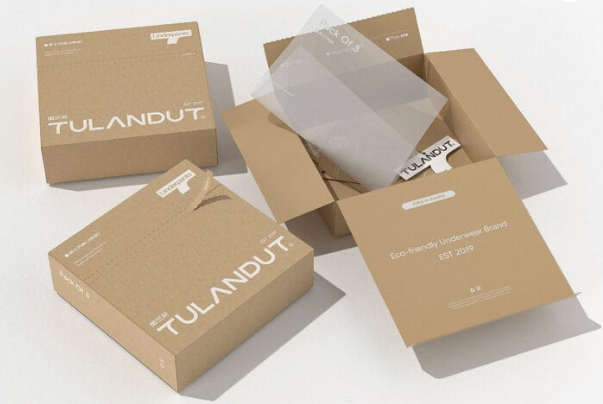
How to Choose the Right Shipping Box Size for an Online Store?
When choosing a box, many people simply compare the product dimensions with the box dimensions. In actual packing, however, you also need to leave room for cushioning materials, inner liners, and product movement. A box does not need to be as large as possible. It should be large enough to hold the product while leaving a reasonable amount of protective space.
- Measure the product’s actual dimensions first. Measure the length, width, and height carefully. This is especially important for irregularly shaped products such as clothing, shoes, and bottled goods. Do not estimate the size based on appearance alone.
- Leave room for cushioning materials. Bubble wrap, paper filler, and corner protectors all take up space inside the box. If you purchase boxes based only on the product dimensions, the item may not fit properly.
- Limit your regular box sizes to a few standard options. If you have many SKUs, you do not need a different box for every product. Establishing several commonly used sizes can significantly speed up warehouse packing.
- Prevent the product from moving around inside the box. Excessive empty space increases the risk of impact during shipping and also requires more packing material.
For online stores that mainly sell small items, a Package Drop Box can be a practical option for everyday shipping. Once you establish a few standard sizes, picking up boxes, packing products, and sealing packages becomes much more efficient.
What Type of Shipping Box Material Should an Online Store Use?
Shipping boxes go through handling, stacking, and transportation every day. It is difficult to judge their actual durability by appearance alone. When selecting materials, do not focus only on cardboard thickness. Consider the product’s weight and the amount of pressure it may experience during transportation.
- Lightweight products can be shipped in lighter paper-based packaging. The key is to choose the right size and avoid leaving excessive empty space.
- Fragile products require a more stable box structure, along with additional cushioning inside. The outer box should not be expected to provide all the protection.
- Heavier products require attention to the box’s load-bearing capacity. The bottom of the box should be especially resistant to sagging and splitting.
- Products shipped over long distances need a more stable packaging structure. Saving a small amount on box costs is not worthwhile if it increases shipping risks.
When an online store handles a high volume of daily orders, the practical performance of its boxes becomes obvious very quickly. Tape that is difficult to apply, box bottoms that open easily, and consistently unsuitable sizes can all slow down the packing process. Before placing an order, test the boxes with actual products. This is often more useful than simply reviewing specifications.
How to Control Shipping Costs with the Right Boxes?
When online stores first begin shipping orders, they often focus mainly on the purchase price of the boxes. Over time, however, shipping fees, packing materials, storage space, and packing labor all affect the total cost. A large box with a low unit price may not be cost-effective when used for small products.
- Reduce unnecessary empty space inside the box. If there is a large amount of unused space after the product is packed, more filler material will be needed.
- Limit the number of box types. Having many SKUs does not mean you need the same number of box sizes. Frequently sold products can be matched with a few high-use dimensions.
- Purchase commonly used sizes in bulk. Once shipping volume becomes stable, purchasing standard box sizes in larger quantities makes inventory easier to manage.
- Do not overlook packing time. If every box requires repeated adjustments, cutting, or large amounts of filler, the packing process will slow down noticeably as order volume increases.
Box sampling usually takes approximately 3–7 business days, while mass production commonly takes about 10–22 days. From confirming the packaging plan to final delivery, the overall lead time may reach 2–6 weeks. When an online store is preparing for a promotional season, launching a new product, or experiencing a sudden increase in orders, packaging inventory should be arranged in advance. Emergency replenishment can easily disrupt normal shipping operations.
What Should Online Stores Consider When Purchasing Shipping Boxes?
When beginning the purchasing process, do not rush to place a large order. Product offerings change, sales volumes fluctuate, and storing too many boxes can take up valuable warehouse space. A more reliable approach is to test the boxes with frequently sold products first and then determine the sizes needed for long-term use.
- Test the boxes with actual products first. Check whether the product is squeezed, whether the box remains flat after sealing, and whether it is easy to add internal cushioning.
- Conduct a small test before placing a bulk order. This is especially important for new online stores whose product dimensions may not yet be stable. Purchasing too many boxes in advance can result in unused sizes.
- List high-frequency box sizes separately. Determine the packaging specifications for the products shipped most often. This makes it easier for warehouse staff to retrieve the right boxes.
- Inspect the bottom and sealing areas. Perform a simple handling test with the actual product inside to check whether the bottom deforms and whether the taped areas are prone to splitting.
- Plan inventory in advance. Shipping boxes are everyday consumables. Waiting until inventory is nearly depleted can create problems because of production and transportation lead times.
Price is certainly important when purchasing shipping boxes, but ease of use is equally valuable. Boxes with consistent dimensions, convenient packing features, and manageable inventory levels often save more time and effort over the long term.
When choosing shipping boxes for an online store, the most important considerations are whether the product fits properly, whether it remains stable during transportation, and whether the box is convenient to use during daily fulfillment. A suitable Package Drop Box can reduce empty space inside the package and simplify warehouse packing procedures. For online stores with steadily increasing order volumes, testing boxes with frequently sold products before deciding on box types and purchase quantities is more practical than focusing solely on the lowest price. With stable packaging and appropriate dimensions, daily shipping becomes much easier to manage.

