
What information do I need to order custom boxes?

When ordering custom packaging boxes for the first time, many customers get stuck not because of the budget, but because they are unsure what information to send to the packaging supplier. Some simply say, “I need 500 color boxes,” while others send a product photo and ask for a quote. After several rounds of communication, the box size, material, and printing requirements may all need to be changed, wasting valuable time. In reality, you do not need to understand every technical packaging term before getting started. Once you clearly explain the product size, quantity, purpose, and desired appearance, the supplier can begin developing a basic packaging solution.
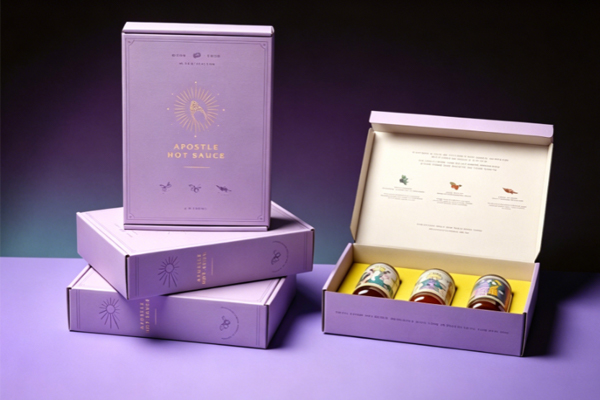
What Basic Information Is Needed for a Custom Packaging Box Quote?
When I handle this type of inquiry, I usually look at a few basic pieces of information first. The more complete these details are, the closer the initial quote will be to the actual production cost, and the less back-and-forth communication will be needed.
- Product Size and Weight
Provide the product length, width, height, and individual weight. These details are essential for determining the box size. If the product has a delicate surface or can be easily damaged by pressure, mention that in advance. The supplier needs to know whether extra protective space is required inside the box rather than simply whether the product can fit.
- Box Style and Usage
It is completely fine if you do not know the professional name of the box style. You can send a photo of a similar box or draw a simple structural sketch. Common options include folding cartons, lid-and-base boxes, drawer boxes, and mailer boxes. Some products may also require inserts, dividers, or window openings. Having a physical reference or clear image can make communication much faster.
- Order Quantity and Number of SKUs
Make sure the quantity is clearly stated. If you need different sizes or designs, list the quantity for each one separately. Some custom paper box suppliers can accept orders starting from 50 pieces, although the actual minimum quantity depends on the box style, size, and production method.
What Material and Printing Requirements Should You Confirm?
At this stage, the supplier can usually start preparing a quote, but material and printing details also need to be clear if you want a more accurate price. A large part of the price difference between packaging options comes from these choices.
- Paper or Paperboard
If you already have a specific material in mind, tell the supplier directly. If you are unsure, provide the product weight, intended use, and the level of stiffness you want. The supplier can then recommend a suitable paperboard option. Common packaging materials include coated paperboard, kraft paper, corrugated board, greyboard, and rigid paperboard.
- Printing Colors
Specify whether you need one-color, two-color, or full-color printing, and whether printing is required on one side or both sides. For packaging with strict color requirements, you can also provide a fixed brand color or spot-color requirement in advance.
- Surface Finishing
Finishing options such as hot stamping, UV coating, embossing, lamination, debossing, and window openings should be mentioned early. Simply saying that you want the box to “look more premium” makes it difficult to calculate an accurate price and may lead to changes during sampling.
- Inserts and Special Structures
If the product can move around, collide with other items, or get scratched, clearly state whether you need paper inserts, plastic trays, dividers, or other fixing structures. This allows the supplier to include the insert and structural costs in the initial packaging solution.
What Design Files Should You Prepare? What If You Do Not Have Artwork?
If you already have finished artwork, you can send it directly. If you do not have a final design file yet, that does not mean the custom packaging project has to stop. For an initial packaging quote, suppliers often need basic information such as product dimensions, box style, quantity, preferred material, and the desired appearance before the final production artwork is ready.
| Information | What to Provide | Purpose |
| Product details | Length × width × height, weight, product photos | Determine internal box space |
| Box style | Reference images, existing box, structural sketch | Confirm opening and closing style |
| Quantity | Total quantity and quantity by SKU | Calculate production cost |
| Material | Known material or usage requirements | Select the paperboard solution |
| Printing | Colors, single/double-sided printing, artwork | Determine printing method |
| Finishing | Lamination, hot stamping, UV, embossing, etc. | Calculate finishing costs |
| Design files | AI, PDF, or reference images | Prepare dielines and samples |
| Delivery time | When the boxes are needed | Schedule sampling and production |
If you prepare the printing artwork yourself, pay attention to bleed and image resolution. Common packaging artwork requirements include 3mm bleed, 300 DPI image resolution, and CMYK color mode. File requirements can vary between suppliers, so it is a good idea to confirm the specifications before production.
What Else Should You Tell the Supplier Before Getting a Quote?
- When Do You Need the Boxes?
Do not wait until after receiving the quote to discuss the delivery schedule. If you have a product launch date, promotional campaign, or trade show deadline, tell the supplier early. Reference materials show that some custom paper boxes can be produced and delivered within around 4–9 working days after the order and artwork are confirmed. Larger orders or more complex printing may take longer.
- Your Expected Budget
It is normal if you do not know the exact packaging price yet. You can still provide an approximate budget range. This gives the supplier a better idea of what materials, structures, and finishing options may fit your project without developing a solution that is far beyond your budget.
- Whether You Need a Sample
For new product packaging, special structures, or demanding printing requirements, tell the supplier if you need a physical sample. Box dimensions, structure, assembly, and color appearance can be difficult to judge from a digital design alone.
- How the Products Will Be Packed for Shipping
If the packaging will later be used for transportation, storage, or bulk packing, mention this early. The packaging should not be evaluated only by the unit price of an individual box. In one real packaging optimization case, redesigning the box and outer carton reduced shipping cost per unit from $0.83 to $0.52, a 38% reduction, showing how box dimensions and packing methods can directly affect logistics costs.
You do not need to prepare every technical packaging term before requesting a custom packaging box quote. Product dimensions, weight, quantity, box style, usage, printing requirements, finishing, design files, and delivery schedule are usually enough to give the supplier a clear starting point. More complete information makes the quote closer to the actual production cost and can make sampling and mass production much smoother. If this is your first custom box project, do not rush to ask only, “How much is one box?” Prepare the basic information first, and you can avoid unnecessary revisions and discover potential issues with size, finishing, or delivery time much earlier.

