
How much does custom packaging box tooling cost?

Many customers are surprised when they receive a quote for custom packaging boxes and see a separate tooling or die-cutting charge. The usual reaction is: “The boxes haven’t even been produced yet, so why is there an extra cost?” A die is not simply a drawing of the box template. It is a production tool used for cutting and creasing the packaging material. For standard folding boxes, tooling costs may range from NT$2,000–8,000, while some suppliers quote simple dies from around US$50. More complicated structures can cost several hundred dollars. The actual price depends mainly on the box structure, size, and expected order quantity.
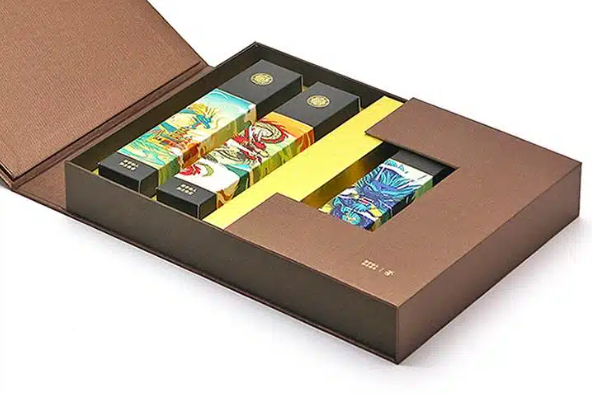
How Much Does Custom Packaging Box Tooling Usually Cost?
There is no fixed price for packaging box tooling. Standard folding boxes, specialty-shaped boxes, and window boxes all require different levels of die-cutting work. I have seen customers focus heavily on the tooling charge at first, only to realize later that when the full order quantity is considered, the cost per box is much lower than expected.
- Standard folding cartons: Some packaging quotes place tooling costs around NT$2,000–8,000, with simpler structures usually falling toward the lower end.
- Simple metal dies: Basic die-cutting tools may start at around US$50, depending on the structure and production requirements.
- Complex custom dies: Boxes with windows, handles, or unusual shapes may require around US$150–350, while large and highly complicated dies can reach US$300–700.
- Corrugated shipping boxes: Custom corrugated boxes may also require tooling, with the final cost depending on the box dimensions and structural design.
When a customer asks, “How much does the die cost?” I normally would not give a fixed number without seeing the packaging design. The flat size, structure, number of windows, and order quantity all need to be confirmed before the tooling cost can be estimated properly.
Which Designs Increase Custom Packaging Box Tooling Costs?
Tooling costs are often less about the paperboard itself and more about how complicated the cutting structure is. A standard tuck-end box and a box with windows, handles, locking tabs, and multiple folds require very different levels of die-making work.
- More complicated box structures usually mean more cutting lines
Additional folds, locking tabs, and internal sections make the die more complicated. Display boxes and multi-compartment packaging generally require more cutting and creasing work than standard folding cartons.
- Larger box sizes can increase tooling costs
Large packaging requires a larger die, which can increase material requirements and the production space needed to make and use the tool.
- Windows and custom-shaped cuts add cost
Windows, handles, and unusual contours increase the number of cutting lines. Complex dies may cost US$150–350, while large and highly complicated structures can reach US$300–700.
- Special finishing costs should be separated from tooling costs
Processes such as hot stamping and embossing may require separate plates or molds. These are different production costs from the cutting die and should be listed separately in the quotation.
One detail I always check is whether the existing die can be reused. If only the logo, text, or printed artwork changes while the box size and structure stay the same, the original cutting die can usually continue to be used. If the length, width, or height changes, it is important to confirm whether a new die will be required.
How Much Does Tooling Cost for Different Packaging Box Types?
Instead of asking only “How much does packaging tooling cost?”, it is more useful to identify the box style first. The more cutting lines, creasing lines, and special structural features a box requires, the more complicated the tooling is likely to be.
| Packaging Box Type | Common Structure | Tooling Cost Reference | Typical Products |
| Tuck-End Folding Box | Tuck tabs, creasing lines | US$50–150 | Food, daily products, cosmetics |
| Window Packaging Box | Window cutout, tuck tabs | US$100–250 | Pastries, gifts, retail products |
| Auto Bottom Box | Locking bottom, pre-glued structure | US$150–350 | Cosmetics, gifts, heavier products |
| Drawer Box | Sliding structure, inner and outer boxes | US$200–500 | Jewelry, gift sets, premium products |
| Custom-Shaped Box | Special contours, complex die lines | US$300–700+ | Creative packaging, display packaging |
This table is useful for creating an initial packaging budget. The actual quotation can still vary depending on the flat size, paperboard type, number of die lines, windows, handles, locking tabs, and other structural features.
How Can You Reduce Custom Packaging Box Tooling Costs?
When a customer has a limited budget, I usually check whether the packaging design can avoid unnecessary new tooling. The die itself is not necessarily the expensive part. The bigger waste happens when a company orders a production die before the box size and structure have been fully confirmed.
- Confirm the box dimensions before making the final die: Repeated changes to the length, width, or height can make the original die unusable.
- Make a white sample first: Check whether the product fits properly and whether the box folds smoothly before moving into production. This can reduce the risk of costly rework.
- Remove unnecessary custom-shaped features: If a window, handle, or special cutout is purely decorative, consider whether it actually improves product presentation before adding it to the structure.
- Confirm die ownership and storage: If the same box size and structure will be reordered, the existing die can often be reused. It is better to confirm ownership and storage arrangements before placing the first order.
- Spread the tooling cost across larger orders: When the packaging will be produced continuously, the one-time tooling investment has a much smaller impact on the cost of each individual box.
When I prepare a packaging quotation, I prefer to list tooling costs separately. Customers can then clearly see which costs apply to the first order and which costs will continue with future production, avoiding confusion when they place repeat orders.
There is no single fixed price for custom packaging box tooling. Standard dies may cost around NT$2,000–8,000, simple metal dies can start at around US$50, while complex custom dies may reach US$150–700. The main cost factors include box structure, size, windows, handles, locking tabs, and the number of cutting lines. Before starting production, confirm the box dimensions and structure, then ask about the tooling cost, whether the die can be reused for future orders, and whether special finishing requires separate plates or molds. INS PACKAGING provides custom packaging box structural design, sampling, die-making, and mass production services to help customers control packaging costs from the beginning.

