
How to order custom boxes for multiple products?

Many brands run into the same problem when creating product sets: several products need to fit into one box, but each item has a different size, height, and shape. Using a stock box can leave too much empty space and allow products to move around. A custom packaging box solves these issues, but there is often concern that a complicated structure will drive up costs. In practice, multiple products can share one custom box quite easily. The key is to design the product arrangement, insert, and box structure together. When we work on this type of packaging, we usually start with the product combination, decide how the box should open and how the interior should be divided, and then use a sample to confirm the final result.
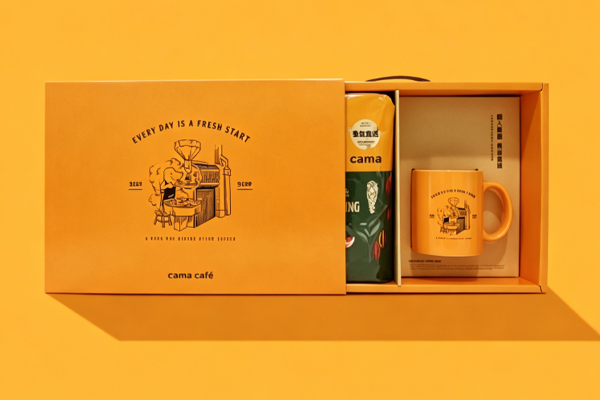
How Should You Determine the Box Size for Multiple Products?
When we work on a multi-product packaging project, we do not size the box around just one item. We first confirm the overall dimensions, quantity, and arrangement of the complete product set. This creates a closer fit and helps reduce unnecessary empty space inside the box.
- Start with the product arrangement. Two products can be placed side by side, while a three-piece set can use a layout with one taller item and two shorter items. For gift sets, smaller accessories can also be positioned around the main product.
- Measure the products in their final form. Caps, pumps, droppers, labels, and individual product packaging all take up space. Using only the dimensions of the bare bottle can easily result in a box that is too small.
- Leave enough room for easy handling. Products that are too loose may move during shipping, while products that fit too tightly can be difficult to remove. During sampling, we use the actual products to test the fit instead of relying only on drawings.
- Keep unnecessary space under control. An oversized box can look empty and may require a more complicated insert to fill the extra space. A closer fit usually makes the overall packaging structure easier to manage.
For new product sets, we usually recommend having all products available before the packaging structure is finalized. Once the actual products are placed inside the box, many sizing issues become much easier to spot than they are in a digital mockup.
How Should the Insert Be Customized for Multiple Products?
The hardest part of multi-product packaging is often not the outer box but the interior. Since each product may have a different size and shape, the insert cannot simply be divided into identical square compartments. We design slots, dividers, or molded inserts based on product shape, weight, and presentation order.
- Paperboard inserts work well for lightweight products such as skincare, food, and gifts. They can be made into folding slots, compartments, or simple dividers while keeping the overall package lightweight and easy to print.
- Corrugated inserts are suitable for sets containing multiple bottles, jars, or individual products. Each item gets its own space, helping reduce contact and movement during transportation.
- EVA or foam inserts are better suited to jewelry, electronics, glass bottles, and other products that require precise positioning. The insert can be cut to match the shape of each product for a more secure fit.
- Molded pulp inserts are a practical option for food, beauty, and beverage packaging where reducing plastic materials is important. The structure can be molded to the shape of the products while maintaining a paper-based packaging approach.
We pay close attention to the balance between product protection and easy removal. An insert that is too loose allows products to move, while one that is too tight can make the first unboxing experience frustrating. The right structure needs to be tested repeatedly with the actual products.
Which Custom Packaging Box Works for Different Product Combinations?
Different product combinations require different box structures and insert solutions. These are some of the combinations we commonly work with:
| Product Combination | Common Insert | Recommended Box Style | Design Focus |
| 2–3 skincare products | Paperboard slots | Folding box or rigid lid-and-base box | Product arrangement and brand presentation |
| Perfume + skincare | Paperboard or EVA | Magnetic box or rigid box | Different heights and precise positioning |
| Multiple wine bottles | Corrugated dividers or paperboard compartments | Rigid gift box | Bottle separation and bottom support |
| Tea + tea accessories | Paperboard insert or molded pulp | Lid-and-base box or gift box | Product zoning and easy access |
| Electronics + accessories | EVA or foam | Rigid box or flip-top box | Product protection and accessory organization |
When we design packaging for multiple products, we do not make every slot the same size just to make the interior look uniform. Giving each product its own appropriately sized compartment usually makes better use of the available space and makes it easier for consumers to understand where each item belongs.
For gift sets, the opening experience also matters. If one product is the main focus, it can be positioned in the visual center. When there are many items, the order in which they are seen and removed should be considered during the structural design. A well-designed custom box should present the products naturally rather than making the consumer spend time figuring out where everything goes.
How Should Multi-Product Custom Packaging Boxes Be Sampled and Produced?
We usually start by determining the preliminary structure based on the product dimensions and packaging quantity, followed by a physical sample. During sampling, the actual products, insert, and outer box are tested together to check the lid closure, slot fit, product positioning, and overall unboxing experience. More complicated gift-set structures may require several rounds of adjustments before moving into production. In multi-product gift-set projects, increasing the number of products from three to five can raise packaging costs by around 30%–50%. Rigid boxes with inserts may cost around $6–$18 per unit, while simple paperboard inserts can start at around $0.30 per unit and more complex EVA inserts may exceed $5 per unit. Actual pricing varies with the box structure, dimensions, materials, printing, and order quantity.
We also recommend testing the packaging with the actual products through repeated assembly before mass production instead of approving an empty box sample alone. This can reveal problems such as product movement, insert deformation, lid interference, or slow assembly. For new products, a small production run can also be used to confirm the packaging solution before moving to larger orders.
Customizing one packaging box for multiple products is really about solving four practical questions: how everything fits, how the products are arranged, how easily they can be removed, and whether the structure can be produced consistently. Skincare sets, perfume gift sets, food gift boxes, wine sets, and electronics combinations can all be designed with customized box structures and inserts based on the actual product dimensions. INS PACKAGING provides support from outer box structure and material selection to insert design, sampling, and mass production, helping turn different products into one complete custom packaging solution rather than simply placing everything inside a large box.

