
What Materials Are Best for Packaging Box Inserts?

Even if the outside of a packaging box looks polished, the overall experience can suffer when the product sits crooked inside or is difficult to remove from the insert. For custom packaging boxes, the insert material and structure are just as important. Cardboard, EVA foam, sponge, and molded pulp each have their own applications. The goal is to keep products secure and easy to remove while controlling material use and production costs. An insert should do more than fill empty space; it should keep products properly positioned during shipping, display, and everyday use.
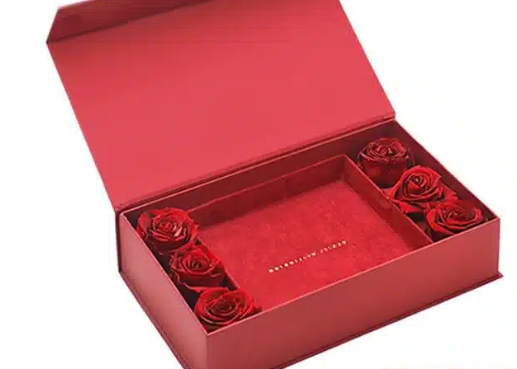
What Types of Packaging Box Inserts Are Available, and Which Products Suit Them?
The right insert material depends mainly on the product’s weight, shape, fragility, and intended use. Different materials secure products in different ways, so heavy cushioning is not necessary for every item.
- Cardboard Inserts
Cardboard inserts are suitable for skincare products, lightweight gifts, food sets, and retail products. Folding, die-cutting, and slot designs can keep items separated and fit neatly inside paperboard boxes. For lightweight products that mainly need positioning and separation, cardboard structures can also help control overall material use.
- EVA Foam Inserts
EVA foam can be cut with cavities that follow a product’s shape, providing a close fit. It is suitable for electronic devices, jewelry, precision components, and some glass products. Foam density, thickness, and cavity dimensions all affect how securely an item is held, so softness alone is not a reliable measure of performance.
- Sponge Inserts
Sponge provides cushioning and flexible support for products that need extra protection. However, different sponge materials vary in resilience, durability, and surface characteristics. Products that are heavy or prone to surface scratches should be tested for contact points and load support before the insert is finalized.
- Molded Pulp Inserts
Molded pulp can be formed into product-specific cavities and support points using a mold. It is suitable for power tools, beverages, food products, and some beauty products. It can also help reduce the use of plastic inserts, although suitability depends on the product’s shape, production volume, and shipping protection requirements.
How Do You Choose Inserts for Custom Packaging Boxes? Comparing Different Materials
If you are unsure which insert to use, start with the product’s main requirements. Lightweight items may need positioning and separation, fragile products need cushioning, and high-value items may require both precise positioning and an attractive presentation.
| Insert Material | Suitable Applications | Design Details to Check |
| Cardboard insert | Lightweight products and gift-set separation | Slot dimensions, creases, and load support |
| Corrugated divider | Multi-bottle packs and shipping packaging | Compartment spacing and support points |
| EVA foam | Precise positioning and cushioning | Density, thickness, and cavity fit |
| Sponge | Flexible support and surface protection | Resilience, contact surfaces, and durability |
| Molded pulp | Three-dimensional support and paper-based inserts | Mold design, release, and product fit |
Insert costs depend on more than the material itself. Dimensions, structural complexity, mold development, printing requirements, and production volume can all affect the total cost. During design, prioritize the areas that genuinely need protection and remove unnecessary filler structures. This helps protect the product without wasting materials.
How Can Packaging Inserts Keep Products Secure While Making Them Easy to Remove?
Insert design should not focus solely on gripping the product tightly. If a cavity is too wide, the item may shift during transit. If it is too narrow, loading and removal can cause rubbing or even damage. Measure the product’s actual length, width, and height, including details such as caps, pump heads, labels, and protective film. For multi-item sets, also check whether the products interfere with one another when placed together.
During sampling, test the insert with the actual product. After placing the item inside, gently shake the package to check for noticeable movement. Remove and replace the item several times to make sure it does not get stuck or leave scratches at contact points. For products shipped over long distances, test the insert and outer carton as a complete packaging system rather than inspecting the insert alone. These checks can reveal structural problems earlier and reduce the risk of rework during mass production.
How Should Packaging Inserts Be Matched to Different Products?
Different products have different priorities when it comes to inserts. Rather than simply increasing the thickness, identify the areas most likely to shift or suffer damage and design the support around those points.
- Cosmetics and skincare: Cardboard inserts suit lightweight bottles, jars, and product sets. Glass serum bottles need particular attention to body support and removal clearance.
- Jewelry and electronics: EVA foam or other close-fitting inserts can be designed with cavities that follow the product’s shape to reduce movement.
- Food, tea, and coffee gift sets: Cardboard dividers or molded pulp inserts can keep different items neatly arranged. The final structure should also meet applicable product-contact and usage requirements.
- Power tools and heavy components: The insert must support heavier parts without concentrating too much weight in one spot, while working with the corrugated outer carton to protect the shipment.
In one power tool packaging project, products tended to shift during shipping because the original packaging lacked sufficient internal support. The redesigned solution used custom molded pulp inserts with fitted supports around areas such as the motor housing and chuck, paired with a corrugated outer carton. The project report stated that the shipping damage rate remained below 3% over six months, product replacement costs fell by 40%, and shipping volume decreased by 20%. The key was not simply switching materials, but coordinating the insert shape, support points, and outer carton so they worked together.
For custom packaging boxes, cardboard works well for lightweight products and separation, EVA foam is better suited to products that need precise positioning, and molded pulp can provide three-dimensional support in paper-based packaging solutions. After choosing a material, test a sample with the actual product and check loading, removal, and performance after shipping. INS PACKAGING provides custom packaging box design, insert development, sampling, and production services. Its team can plan insert structures around product dimensions, weight, and packaging needs to help keep items secure, easy to remove, and cost-effective to pack.

